
Seedance 2.5: when AI video is a single take (and when it shouldn't be)
ByteDance launched Seedance 2.5 on July 31, 2026: 30 seconds of audio-synced video in a single generation, up to 50 multimodal references, and timestamp-level editing. Here's the one-take vs multi-shot decision framework we now use at Mintec — and the caveats nobody mentions.
On July 31, 2026, ByteDance launched Seedance 2.5, and single-take AI video stopped being a demo and became a production format: 30 seconds of audio-synced video in one generation, up to 50 multimodal references, and timestamp-level editing. "Is it good?" is no longer the question that matters — the question is "when does this replace the multi-shot pipeline, and when will it break a project?". Here's the decision framework we now use at Mintec, with the real launch numbers and the caveats almost nobody mentions.
What actually changed with Seedance 2.5
ByteDance had been signaling since Seedance 2.0 that the next leap wouldn't be pixel quality but narrative length. With 2.5, the Seed team's official announcement confirms it with three concrete changes:
1. 30 seconds in a single pass, with multi-round extensions. The limit jumps from 15 to 30 seconds per generation, and the model can extend clips in successive rounds while keeping a consistent audiovisual language. The official post puts it in a sentence that should unsettle half the production industry: "produce multi-minute content with a consistent audiovisual language, bringing a complete story to life in one take."
2. Massive multimodal referencing. Up to 30 images, 10 video clips, and 10 audio clips as references in a single generation. That's brand consistency without fine-tuning: the logo, the product, the founder's voice, and the style of a previous spot all enter as references, not as prompt text.
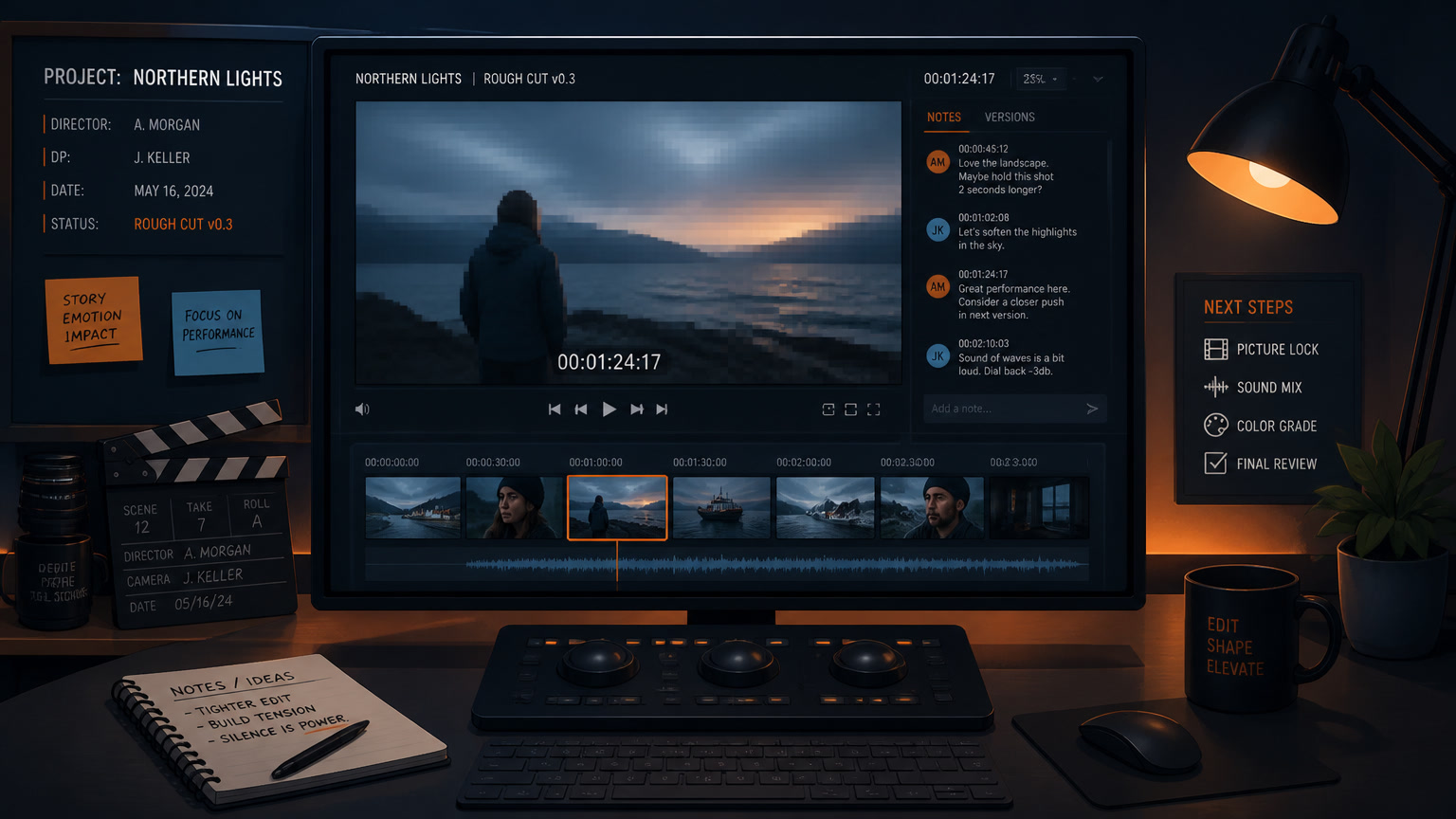
3. Timestamp-level editing. Targeted audio and video editing at exact time positions, plus green screen, camera-perspective control, and reference-based editing. It's the first time a mainstream generation model competes head-on with the post-production stage, not just the capture stage.
The rollout is happening on Jimeng AI and Doubao Pro, with API promised via BytePlus ModelArk — note that, because it's where most teams are going to make bad decisions (more below).
Why 30 seconds is the magic number
Short-form advertising lives in 15-30 second windows: a TikTok ad, a Reel, a YouTube preroll, a half-length TV spot. Until now, producing those 20-30 seconds with AI meant generating 4-6 clips of 5-8 seconds and assembling them, because no closed model passed a ~10-15 second ceiling with acceptable coherence.
That assembly has a cost nobody invoices but everyone pays: shots that don't match in lighting, characters whose faces change between clips, audio that has to be re-synced, and the endless "regenerate shot 3, the client wants another angle." One-take attacks exactly that pain: if the story fits in 30 seconds and the model tells it in one pass, the seam disappears — and with it, the consistency jumps between shots.
In our testing of the Seedance family for AI video production, the most noticeable difference wasn't per-shot quality — it was that a 20-30 second clip generated in one pass holds character and art-direction coherence that a stitch-up of short clips rarely achieves on the first try. That changes rework economics, which is where real production budgets go.
The framework: one-take vs multi-shot
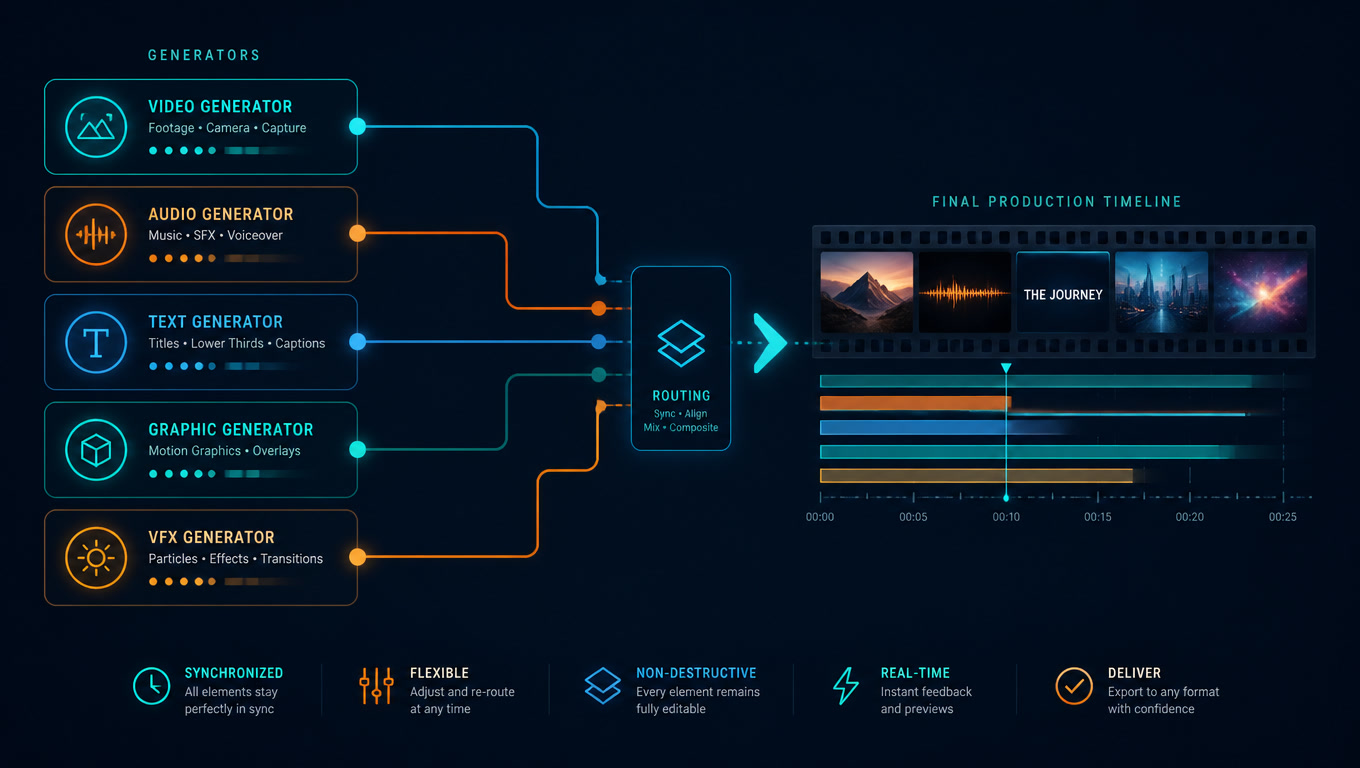
We've been running a multi-shot pipeline at Mintec for months: generating shots in parallel (routing each shot type to the model that fits it best) and assembling them in post. Seedance 2.5 doesn't kill that pipeline — it reframes it. This is the matrix we now use to decide:
| One-take (Seedance 2.5) | Multi-shot (routed pipeline) | |
|---|---|---|
| Narrative continuity | High: full arc in one pass | Low-medium: depends on assembly |
| Character consistency | High in contiguous scenes | Medium: needs references + regeneration |
| Per-shot control | Low: the model decides the cuts | High: each shot approved separately |
| Rework cost | Regenerate the whole take | Regenerate only the failed shot |
| Synced audio | Native (joint generation) | Added or fixed in post |
| Best use | Short ad, story arc, product demo | Long pieces, very different shots, photographic control |
The practical rule: if the script has an arc (setup → development → turning point → resolution) and fits in 30 seconds, go one-take. If the script is a list of shots that must look visually distinct (macro, drone, slow motion, opposite locations), go multi-shot. The mistake isn't choosing wrong — it's not having the matrix and deciding on hype.
The caveats nobody mentions
First, provenance. In our documented tests around conversational editing and Article 50, the Seedance family doesn't emit C2PA at the generation point. With the EU AI Act already enforceable since August 2, any Seedance content circulating in Europe needs marking in your pipeline — that's your responsibility, not ByteDance's.
Second, resolution. Third-party reports disagree: some say 720p, others native 1080p. That's exactly the kind of claim you validate before promising it in a client proposal. The official page doesn't specify a resolution cap, so any "4K" you read is extrapolation, not announcement.
Third, availability. An API that's "coming soon" via ModelArk means you can't integrate it into a serious automated pipeline today. If your operation depends on API-based generation — like ours does for synthetic media at scale — Seedance 2.5 is still an evaluation project, not a production component.
Fourth, rework cost flips: in one-take, a failure at second 25 means regenerating all 30 seconds. With open-weight models like MiniMax H3 or a multi-shot setup, the failure stays isolated in one shot. For clients who are picky about detail, that difference defines the budget.
What we'd do today at Mintec
Seedance 2.5 is the first model that makes "generate the whole spot at once" a rational decision instead of a bet. Our concrete evaluation plan: (1) run it on 3 real short-ad briefs with full brand references (logo, product, voice), (2) compare rework and total time against our current multi-shot pipeline, and (3) verify provenance behavior and resolution before mentioning it to any client.
The uncomfortable conclusion: the competitive edge in AI video is no longer "we use the best model," because the best model changes every month. It's having the framework to decide when a single take saves you a week and when it costs you one. No new model solves that — process does.
Frequently Asked Questions
What is Seedance 2.5?
It's ByteDance's audio-video joint generation model, launched on July 31, 2026. It generates clips up to 30 seconds in a single pass, accepts up to 30 images, 10 video clips, and 10 audio clips as references, and supports timestamp-level editing of audio and video.
When should you generate AI video in one take?
When you need narrative and emotional continuity in a short format: a 20-30 second ad, a story with an arc (setup, development, turning point, resolution), or a scene with dialogue and synced sound. A single pass removes the cost of stitching clips and the consistency jumps between shots.
When should you NOT use one-take generation?
When the script demands visually distinct shots (macro, drone, slow motion, opposite locations) or precise per-shot photographic control. A multi-shot pipeline with model routing still wins there — in control and in the cost of a failed attempt.
Where can you try Seedance 2.5?
It's rolling out on Jimeng AI and Doubao Pro in the video generation section. API access will come via BytePlus ModelArk — it's not available yet for production integrations.