

The media Ledger.
Deep dives into media strategy, accelerated by 15 years of operational excellence.

How to Start a Video Production Business When AI Moves the Cost Structure
Starting a video studio costs less in cameras and more in pipeline. Real cost per finished minute, three startup models, and what clients actually pay in 2026.

Live avatar or produced video? The 2-to-7 minute break-even that decides
Between September 23 and October 1, 2026 four real-time avatars shipped: Meta Muse Realtime Avatar, Gemini 3.8 Live with Live Avatar, Tavus Griffin and Synthesia Sessions. Choosing between a live avatar and a produced AI video is arithmetic, not aesthetics — the break-even lands between 2 and 7 total minutes of viewing.
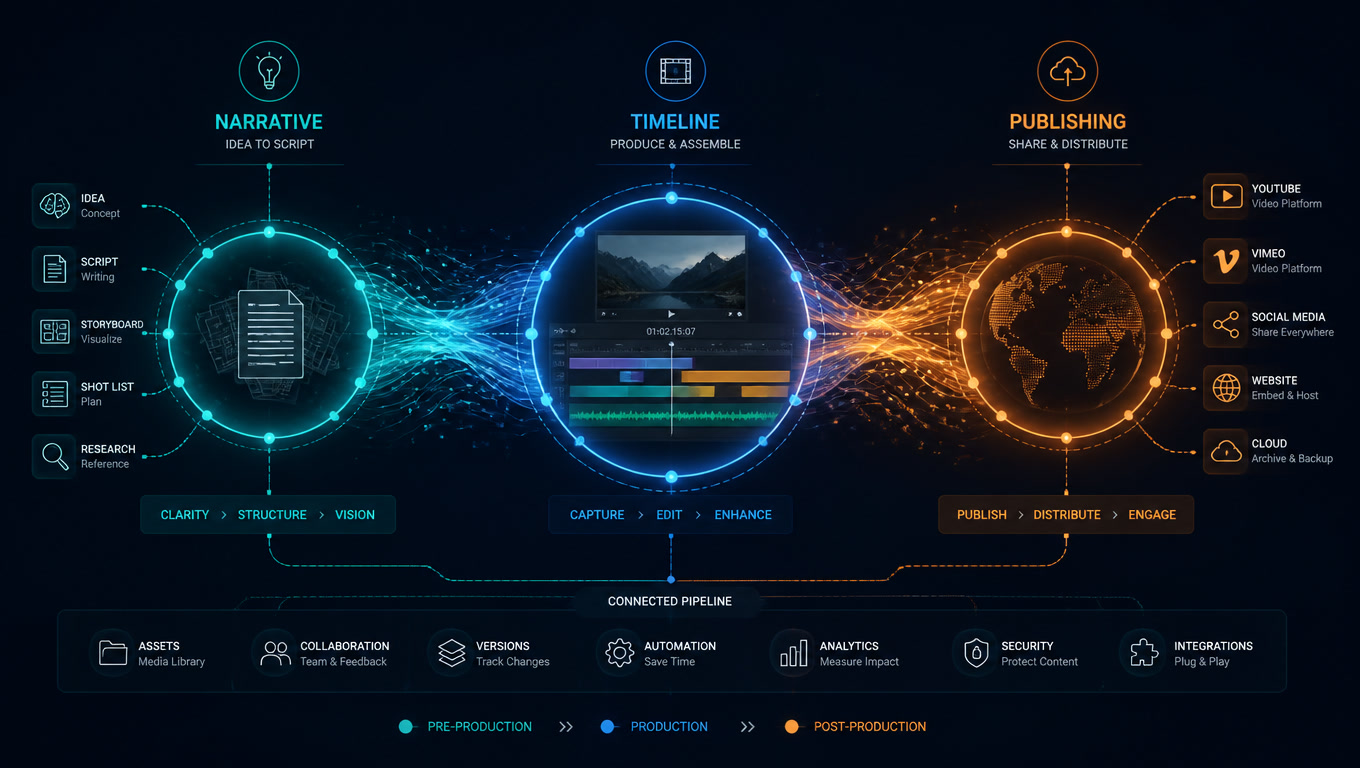
When AI Orchestrates the Entire Video Pipeline: What Fotor Agent, Boreal, and Catalyst Change About Your Workflow
Three September 2026 launches — Fotor Agent, Creatify Boreal, and Socialive Catalyst — converge on one point: AI no longer generates individual clips, it orchestrates the full pipeline. Here's what that means for agencies, brands, and the future of creative control.
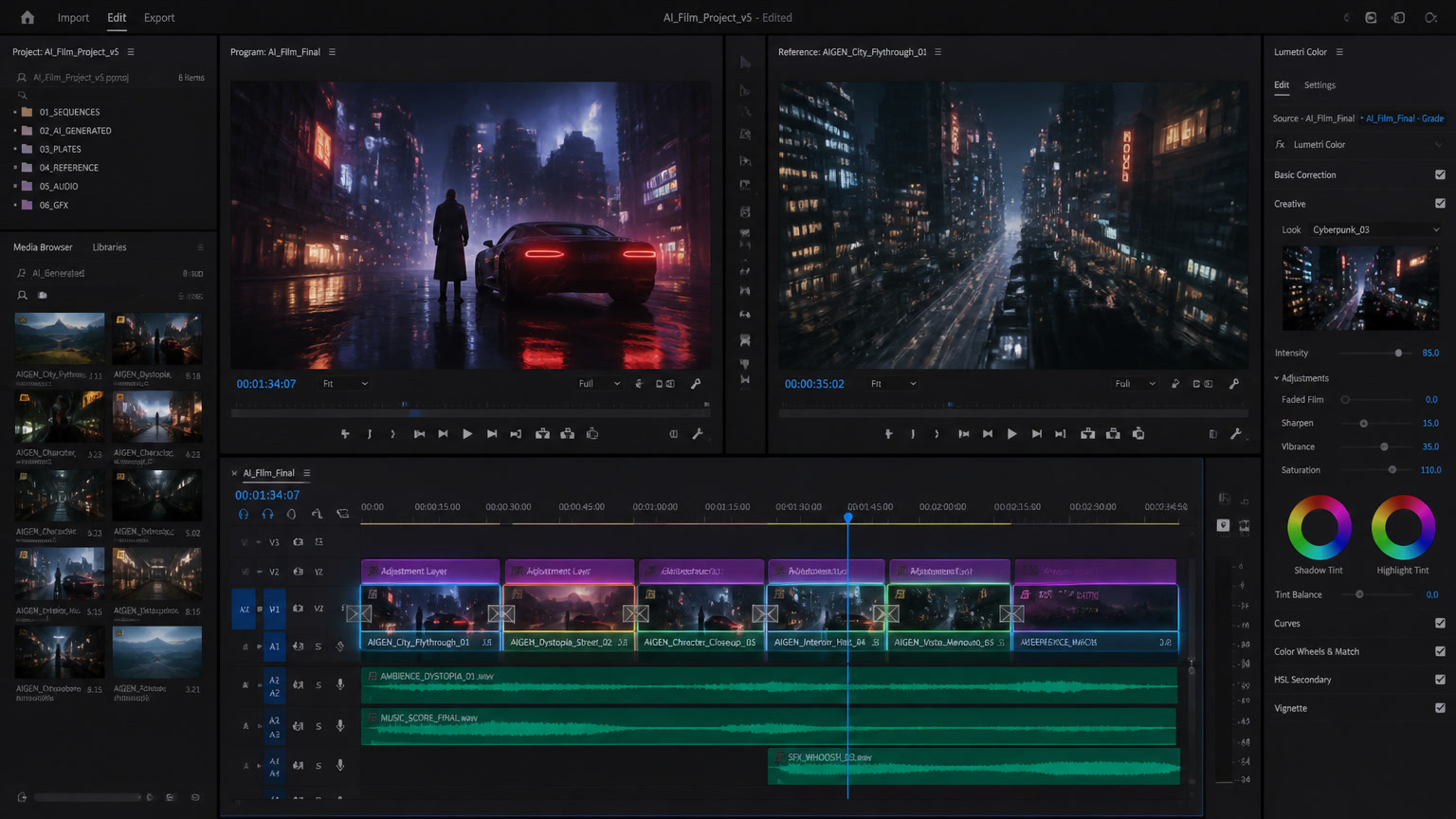
Adobe Premiere AI In-Timeline: When Native Generation Beats Dedicated AI Video Tools
Adobe Premiere Pro shipped Generate Video, voice-to-SFX, and AI music directly in the timeline on Sep 14, 2026. We break down when this native integration outperforms Runway, Kling, or Veo for content producers and agencies, with a five-question decision framework built from real production experience.
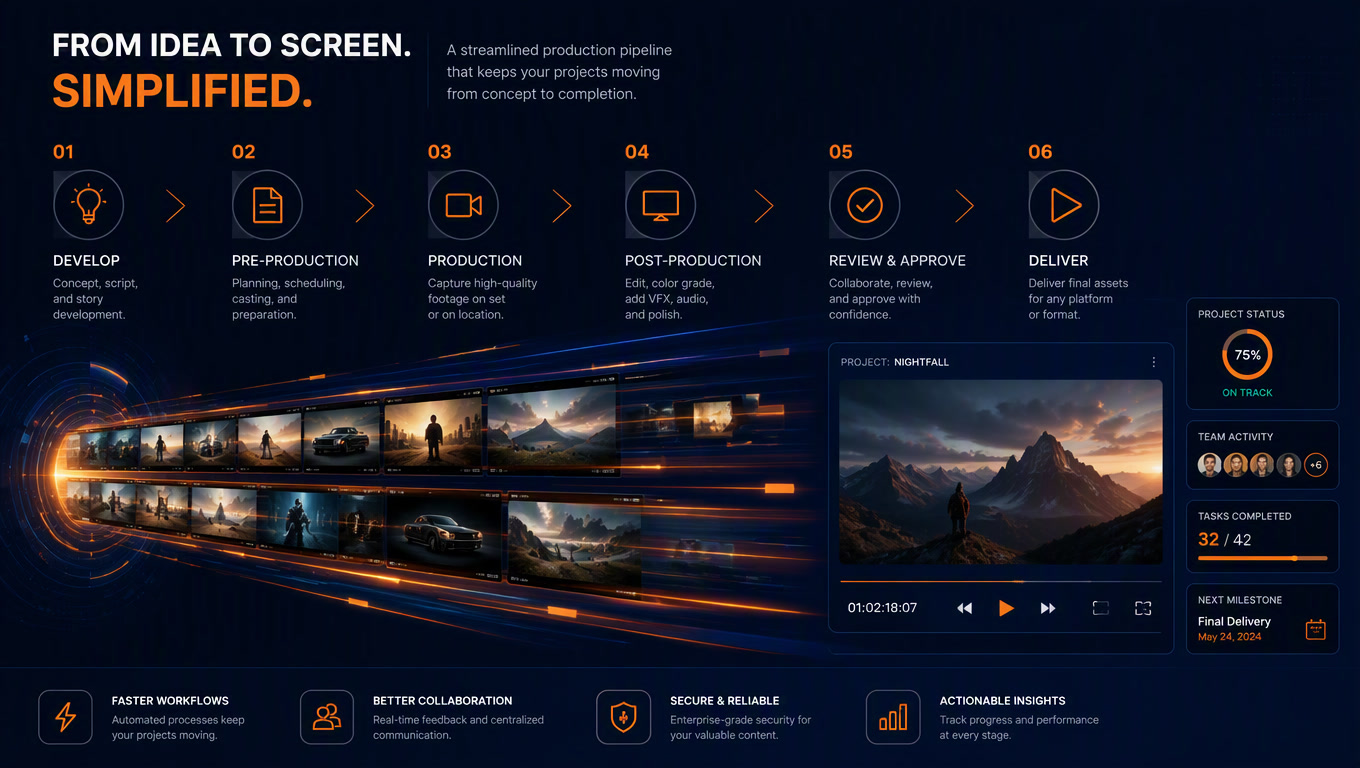
AI video is now generated faster than it plays: what actually changes in your pipeline
Between September 1-2, 2026, three launches crossed the real-time line in AI video: fal H3 Max, FastH3 + vLLM-Omni, and the open-source VDN-H3 model. Here's what genuinely changes in production, what doesn't, and how to build a latency budget.

IAMF Lands in Chrome 152: Open Immersive Audio Hits the Web Just as AI Video Learns to Sound
Chrome 152 (stable August 25, 2026) ships IAMF decoding: AOMedia's royalty-free spatial audio format, commercialized by Google and Samsung as Eclipsa Audio, now plays in HTML media elements via MSE with Opus in MP4. It lands right as AI video models start generating native audio — here's the delivery matrix we use at Mintec to choose between stereo, IAMF, and Atmos.
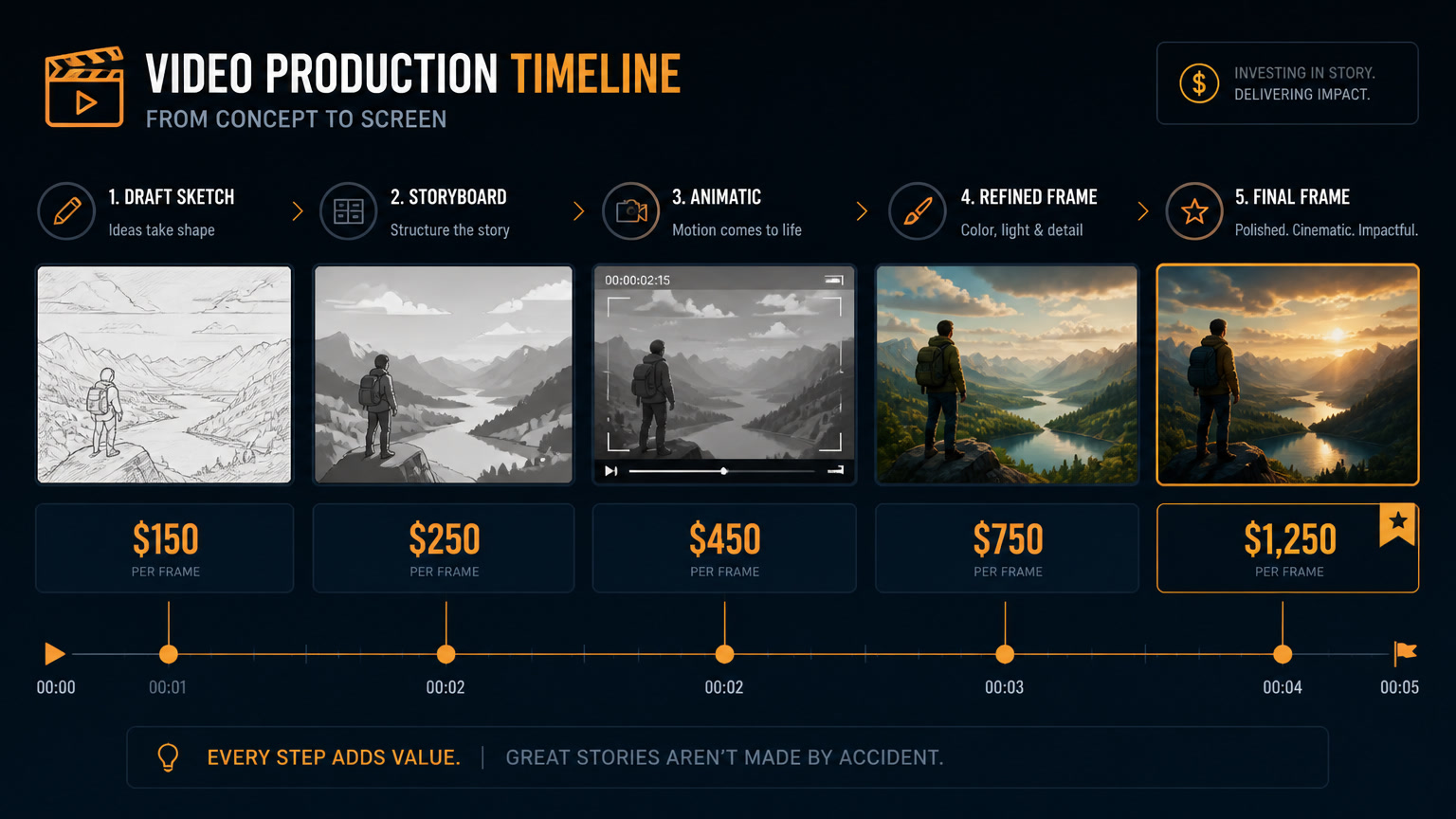
AI Video Finally Has a Public Per-Second Price List: The Real Budget, From Render to CDN
Google moved its video generation to general availability with published per-second pricing (from $0.03/s). Here's the tier-selection framework and the true landed cost of a piece — generation, iteration, audio, encoding and delivery — with the math we run at Mintec for clients.
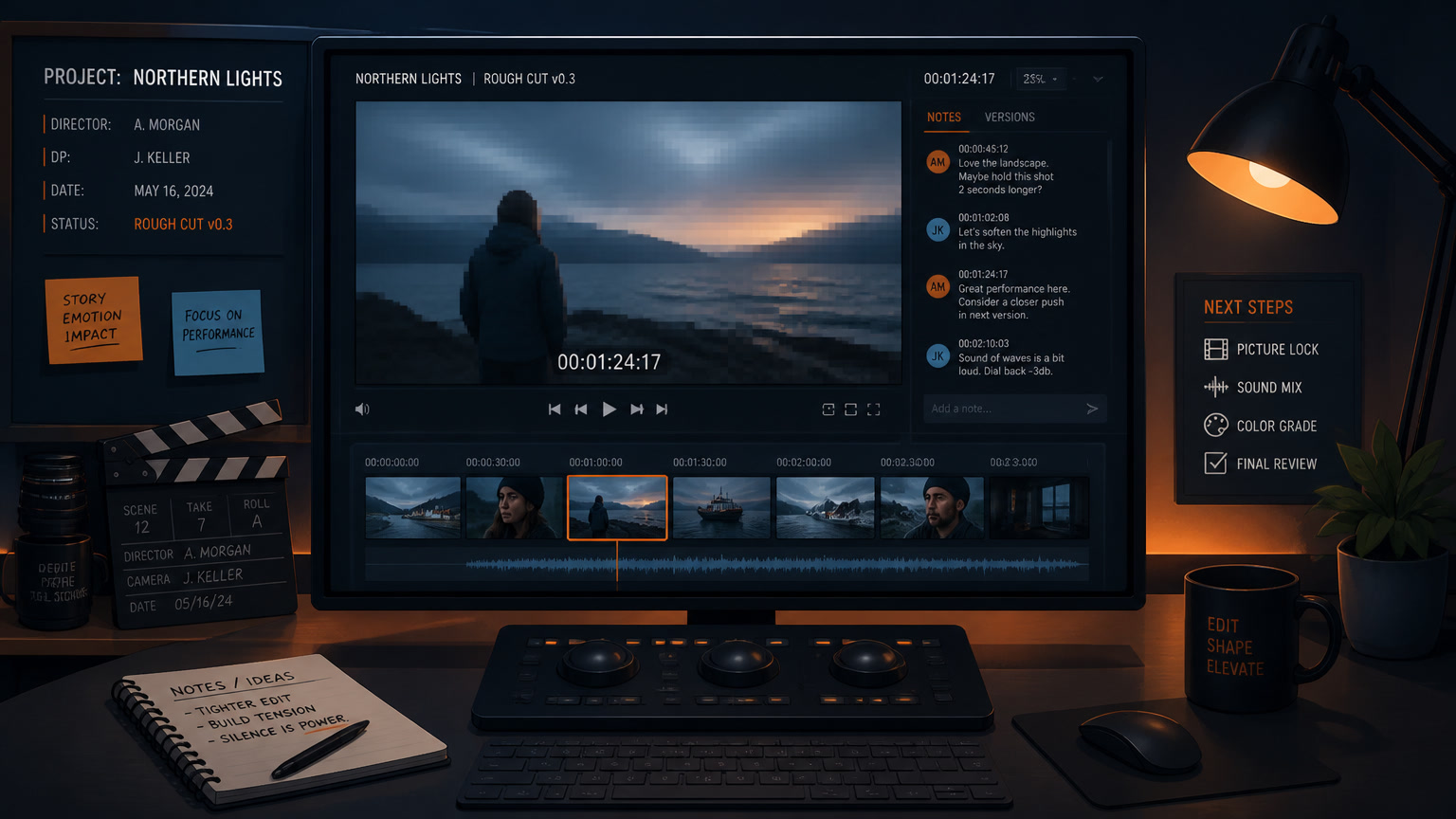
AI Video Is Now Iterated at 360p and Rendered at 4K: Gemini Omni 1.1 Flash's Draft-First Economics
Google shipped Gemini Omni 1.1 Flash on August 27, 2026: 10-second scenes that extend to 40 with continuity, first/last-frame control, video references, 4K upscaled output, and cheap 360p drafts. Here's the iteration math behind the draft-first workflow we run at Virtalio — and why it rewrites the economics of producing AI video for brands.

The internet says Wan 3.0 is open source. It isn't: how we verify AI model claims
Within five days of Alibaba's Wan 3.0 launch, high-ranking pages were claiming Apache 2.0 weights and native 4K output. A live Hugging Face check shows zero Wan 3.0 repositories — the model is an API-only public beta at 480p–1080p. Here's the five-step verification protocol Mintec uses before committing pipeline architecture to any AI video model.

A sales deck is not a video brief: build a source gate for AI video
Document-to-video tools can turn a PDF into footage. They cannot decide which claims are current, approved, public, or safe to depict. Use Mintec's source gate before generation.

Before a creative agent generates anything, define the web asset contract
Creative agents can produce image, video, voice, and edits from one brief. Mintec's web asset contract decides composition, meaning, delivery, provenance, and acceptance before that output reaches a page.
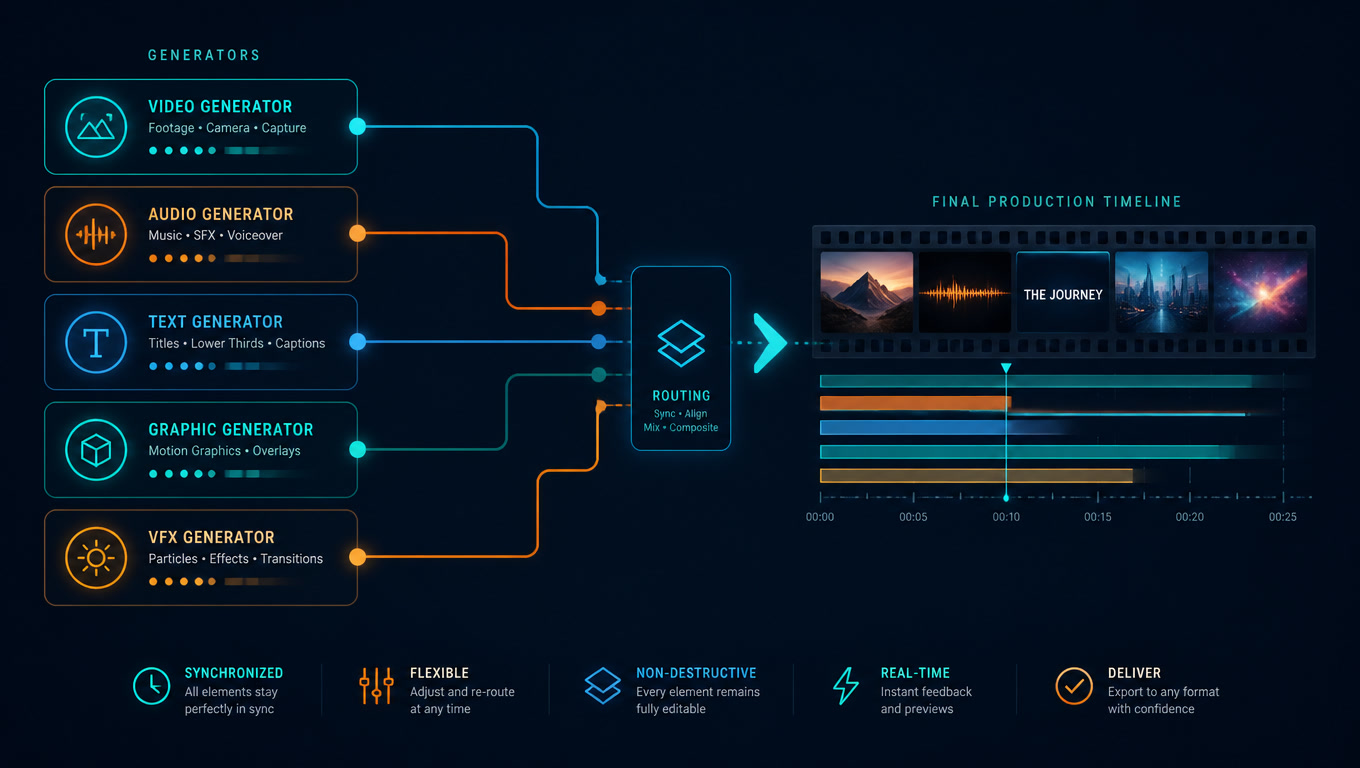
Sora's API Dies September 24 and Higgsfield Just Raised $400M — Build Your AI Video Stack With an Exit Plan
OpenAI kills the Sora API on September 24, 2026, and the same week Higgsfield closed a $400M round at a $5.4B valuation with ~$700M in annualized revenue. The #1 risk in AI video production is no longer quality — it's platform dependency. Here's the multi-model stack framework and the migration checklist we use at Mintec, with real project numbers.
Seedance 2.5: when AI video is a single take (and when it shouldn't be)
ByteDance launched Seedance 2.5 on July 31, 2026: 30 seconds of audio-synced video in a single generation, up to 50 multimodal references, and timestamp-level editing. Here's the one-take vs multi-shot decision framework we now use at Mintec — and the caveats nobody mentions.

Mirage Spent $50K on a 24-Hour AI News Channel — The Real Production Math
On August 11, 2026, Mirage streamed 24 hours of AI-anchored news on X: 50,000 viewers, 824,000 impressions, and roughly $35 per broadcast minute. This article breaks down the real synthetic media pipeline — licensing, voice, avatars, QC, distribution — and what it means for AI video production budgets.
Open-Weight Video AI Is No Longer the Budget Option: MiniMax H3 Changes the Production Math
On August 3, 2026, MiniMax H3 became the first open-weight model to top a major AI video ranking, at roughly one-third of closed-API pricing. But free weights don't mean free production: 768p ceiling, a closed 2K module, a $20M revenue license cap and active copyright disputes change the risk math. Here's the open-vs-closed decision framework we use at Mintec.
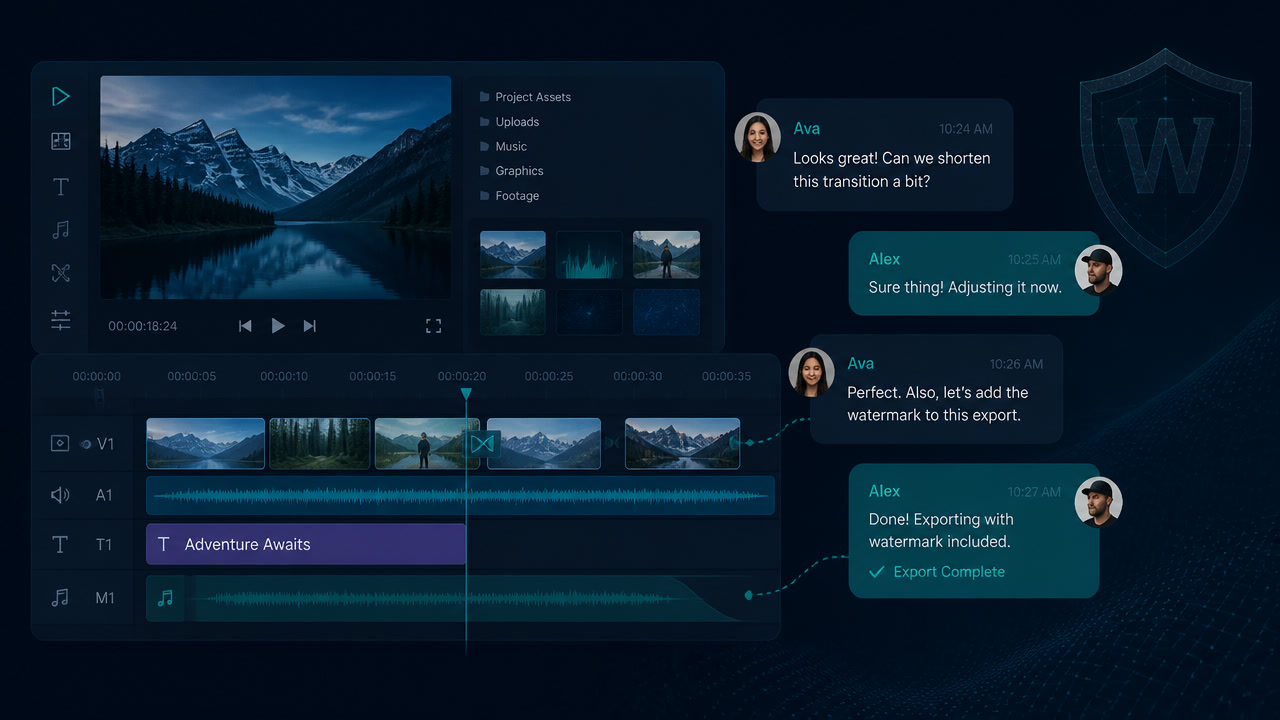
Conversational AI Video Editing Just Collided with EU Enforcement Day: Choose Tools by Provenance
EU AI Act Article 50 goes into force August 2, 2026, the same week conversational AI video editing (Gemini Omni Flash) goes mainstream. Here is the provenance-first framework for choosing AI video tools — and why the Omnibus December 2 grace period changes your stack decisions today.
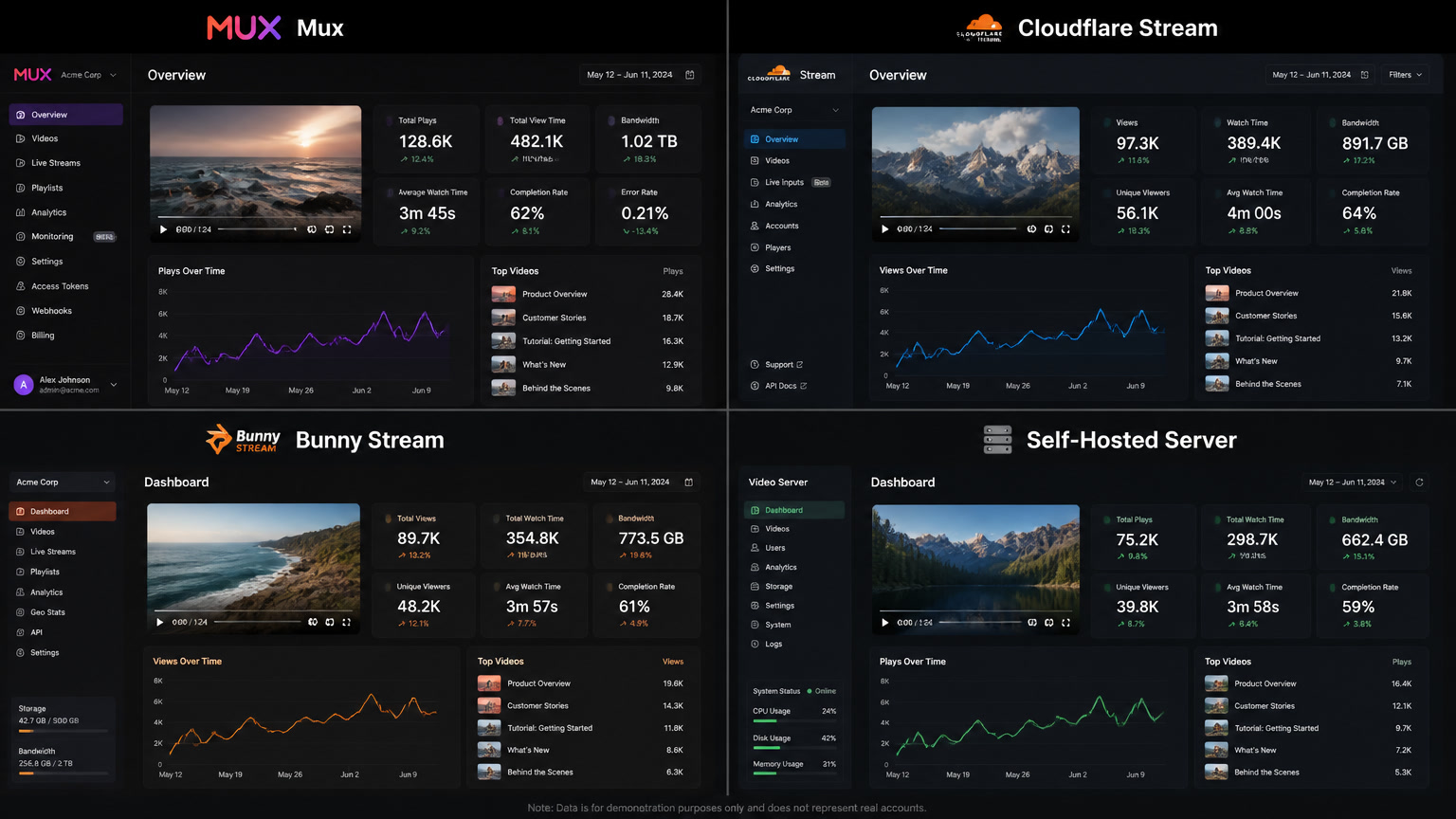
Mux vs Cloudflare Stream vs Self-Hosted: Choosing Your Video Stack in 2026
A practical comparison of video hosting platforms for web developers in 2026 — Mux, Cloudflare Stream, Bunny Stream, and self-hosted options, with real pricing, integration patterns, and a decision framework for each scale.

How to Embed AI-Generated Video Without Destroying Website Performance
Synthetic media is cheap to produce in 2026 but expensive to embed badly. This article classifies four video embedding strategies by video role, with real performance data and a decision framework for production teams serving AI-generated video on the web.
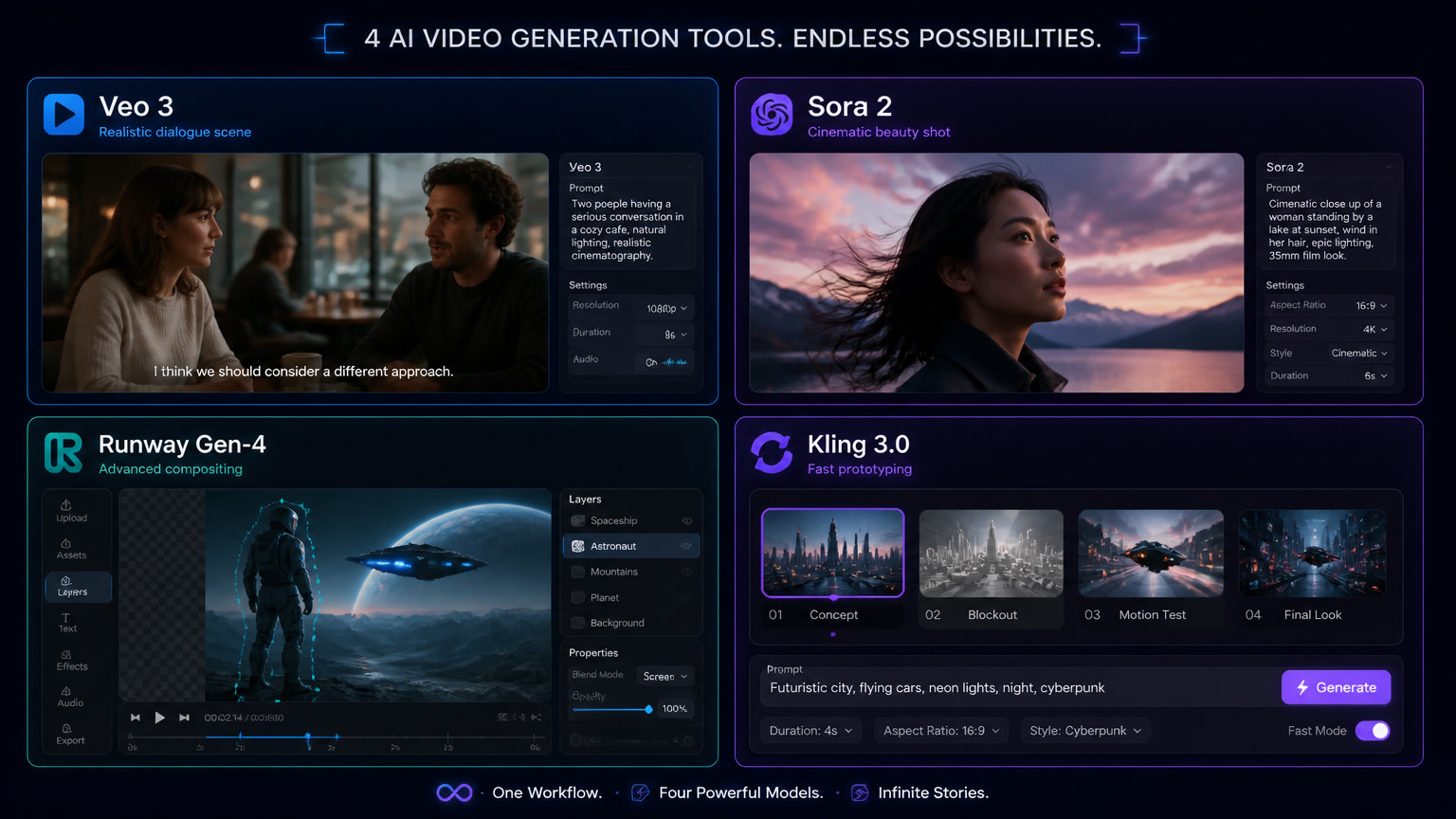
Multi-Model AI Video Production in 2026: The Workflow That Actually Works
Professional studios in 2026 don't rely on a single AI video model. They route different shots to different engines — Veo 3 for dialogue, Sora 2 for cinematic beauty, Runway Gen-4 for compositing control. Here's a complete decision framework with real cost data, production patterns, and regulatory requirements.
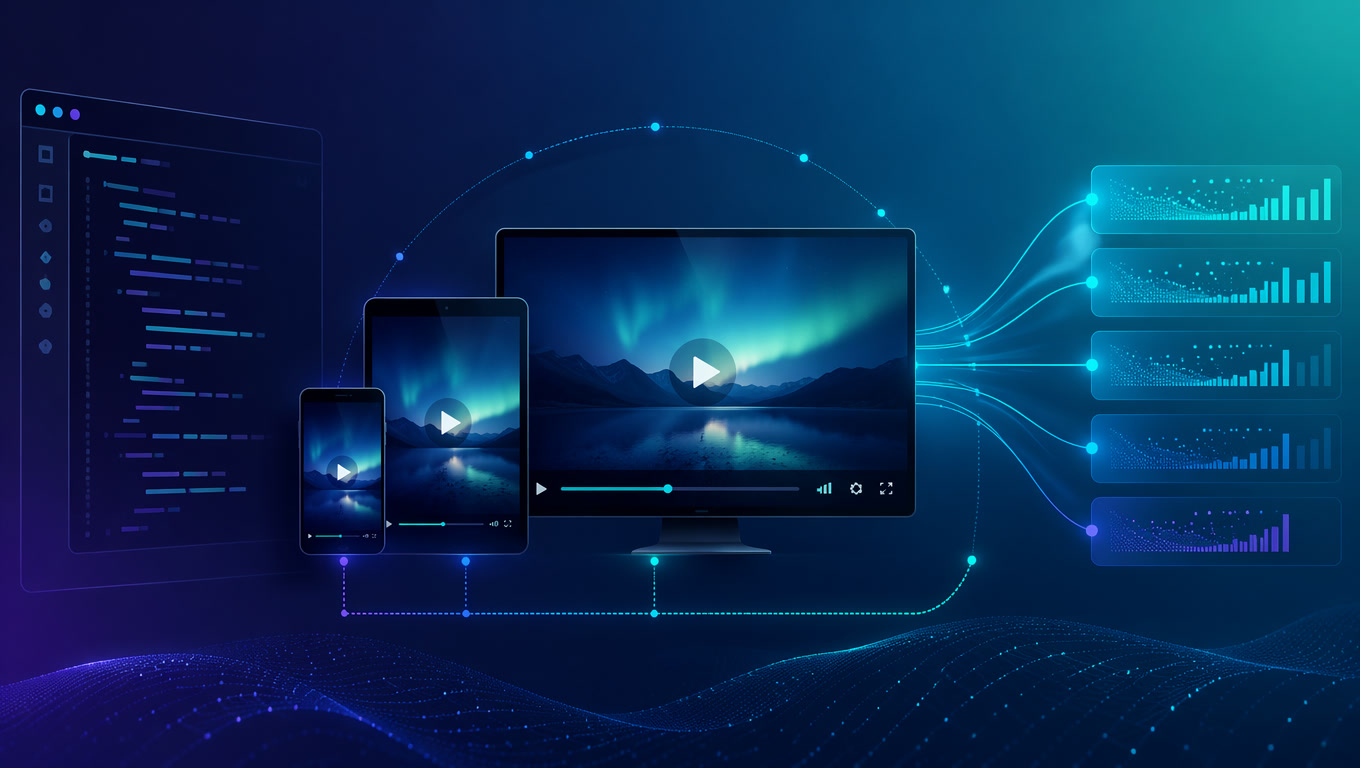
Adaptive Video with Astro 6: How to Serve the Right Format, Resolution, and Codec Per Device
HTML's <video> tag does not adapt anything. The browser requests one file and either plays it or not. Here is the pattern we use at Mintec to serve adaptive video in Astro 6 projects — with codec switching, viewport-based resolution, and a poster strategy built for LCP.
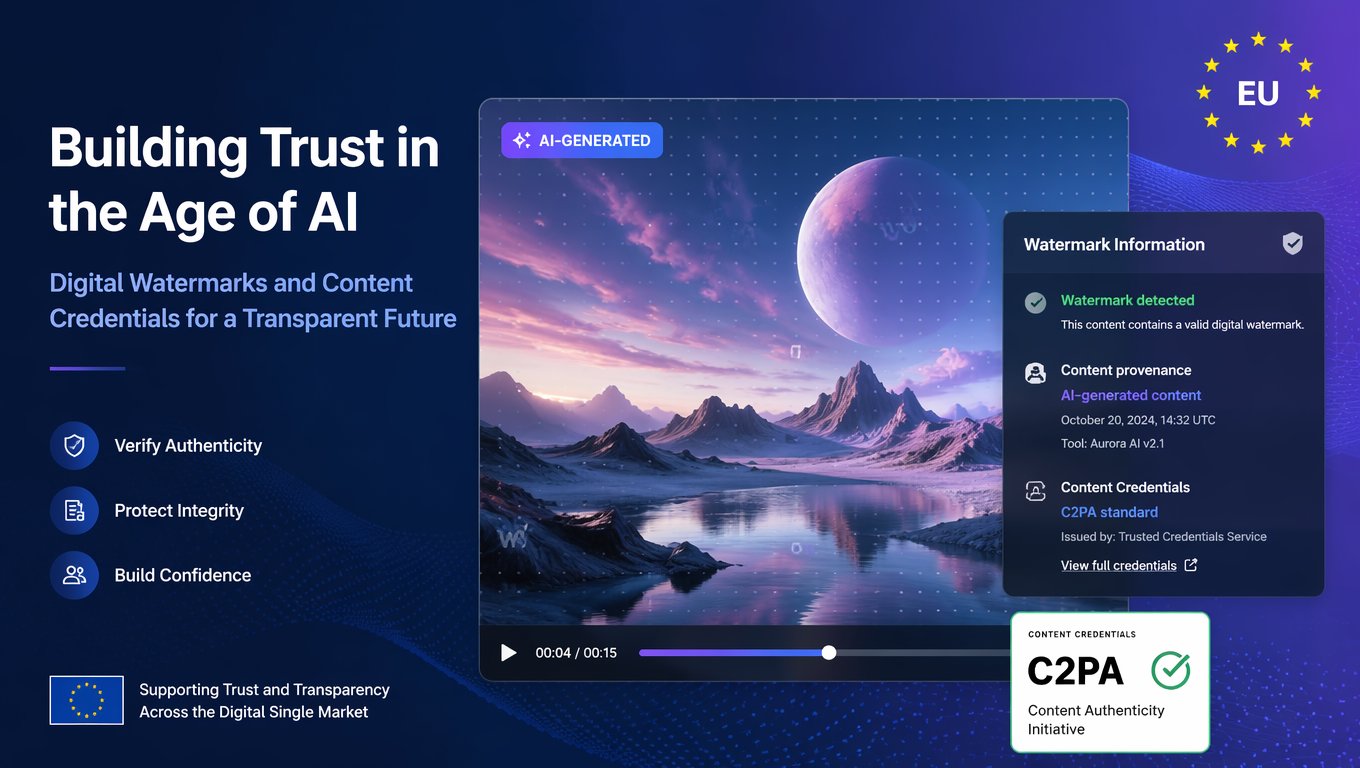
EU AI Act Article 50 Is 25 Days Away: How to Mark Synthetic Media in Your Web Pipeline
By August 2, 2026, every AI-generated image, video, and audio asset circulated in the EU must carry machine-readable markings. Here is what web developers and media producers need to implement.
The Price of Fast Generation: How Accessibility Got Lost in the AI Video Revolution
AI video generators produce stunning content, but almost all fail on accessibility: no captions, no transcripts, no audio descriptions. At Mintec we analyzed the problem and built a framework to bridge the gap between fast generation and WCAG 2.2 compliance.

Your AI-Generated Video Isn't Production-Ready: The Post-Processing Pipeline Nobody Implements
You generated a video with Kling, Veo, or Sora. Now it weighs 20MB and destroys your LCP. Here's the post-processing pipeline that separates an AI experiment from a production-ready web asset — with real data from Mintec.

AV1 Is the New Video Standard: What It Means for Your Website and Your Synthetic Media
YouTube encodes 75% of its catalog in AV1. Netflix delivers 30% of all streaming hours in this codec. 88% of devices shipped since 2021 have hardware decode support. AV1 became the default in May 2026 — here is what that means for your website's video delivery, Core Web Vitals, and synthetic media pipeline.

WebGPU in Production 2026: How Browser-Based GPU Computing Is Transforming Video Production
WebGPU is now a W3C Recommendation, shipping in every major browser, and it's changing how we process video on the web. At Mintec we have integrated WebGPU into real video production and web development projects. This article covers what works, what doesn't, and when to use browser GPU vs. dedicated servers.

AI Video in Production 2026: When Synthetic Media Is Good Enough for Your Website
Seedance 2.0, Veo 3.1, Kling 3.0, Sora — AI video generators have improved dramatically in 2026. But are they good enough for your production website? At Mintec we have tested these tools on real client projects and built a decision framework for when to use synthetic video and when to stick with traditional production.
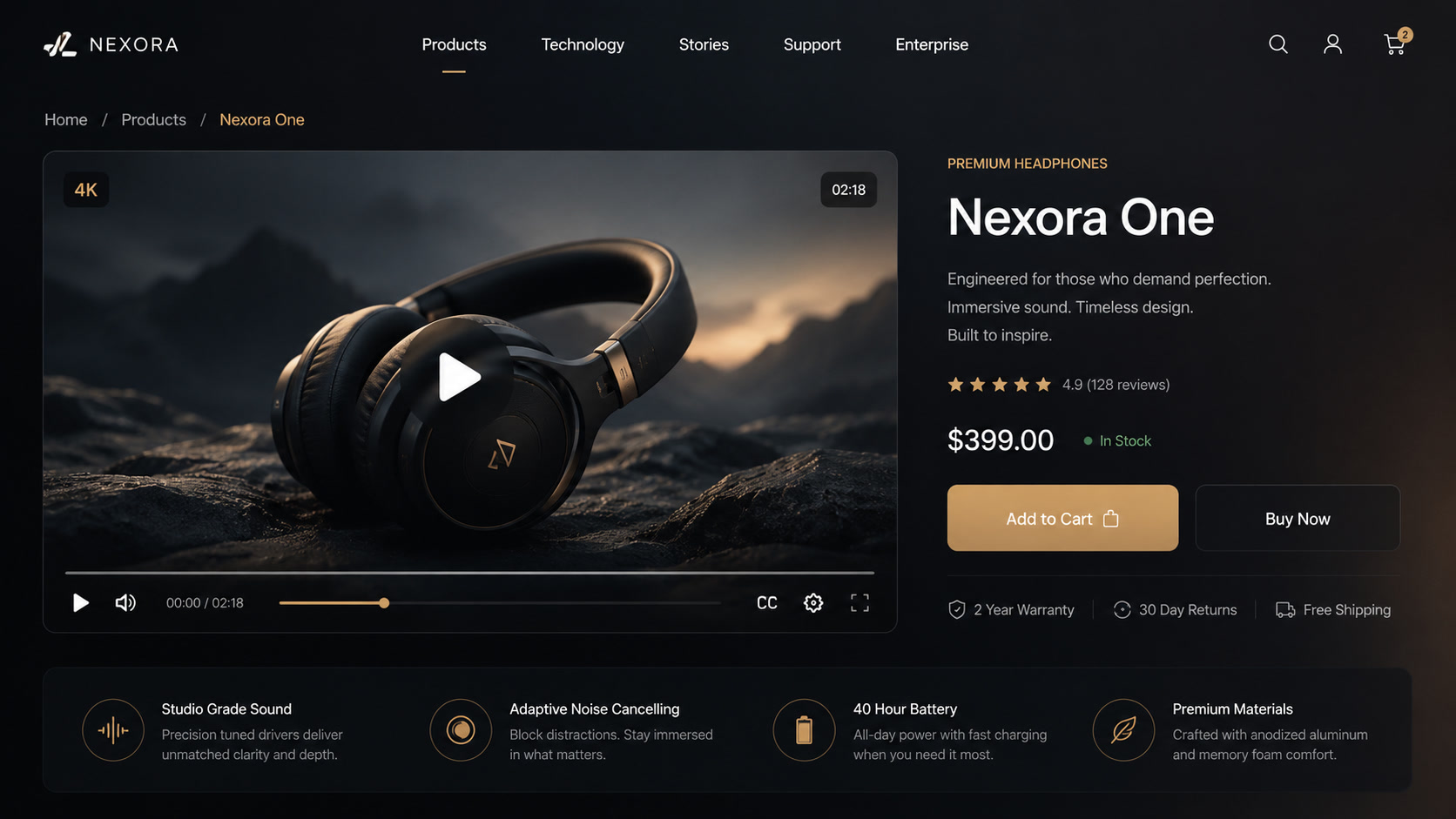
Stop Treating Video as an Embed: Building a Video-First Content Architecture with Headless CMS
Most brands embed YouTube or Vimeo iframes and call it a day. We explain why that approach destroys performance, control, and data — and how to build a proper video-first content architecture with modern headless CMS.
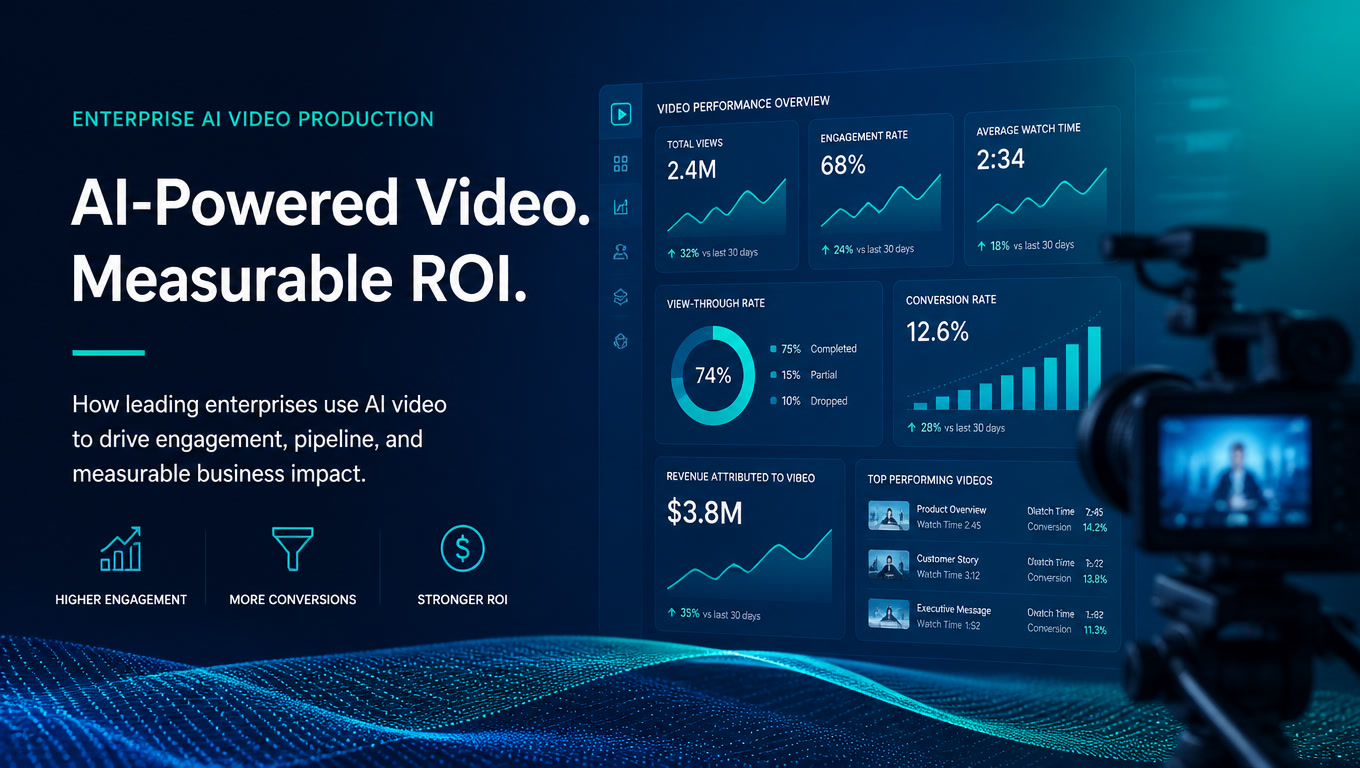
Enterprise Synthetic Video: How to Measure Real ROI Beyond the Hype
Synthetic video has moved past the novelty phase. It's now a serious production tool that needs serious metrics. Here's the framework we use at Mintec to measure the real return on AI-generated content — with field data, real cases, and production lessons learned.
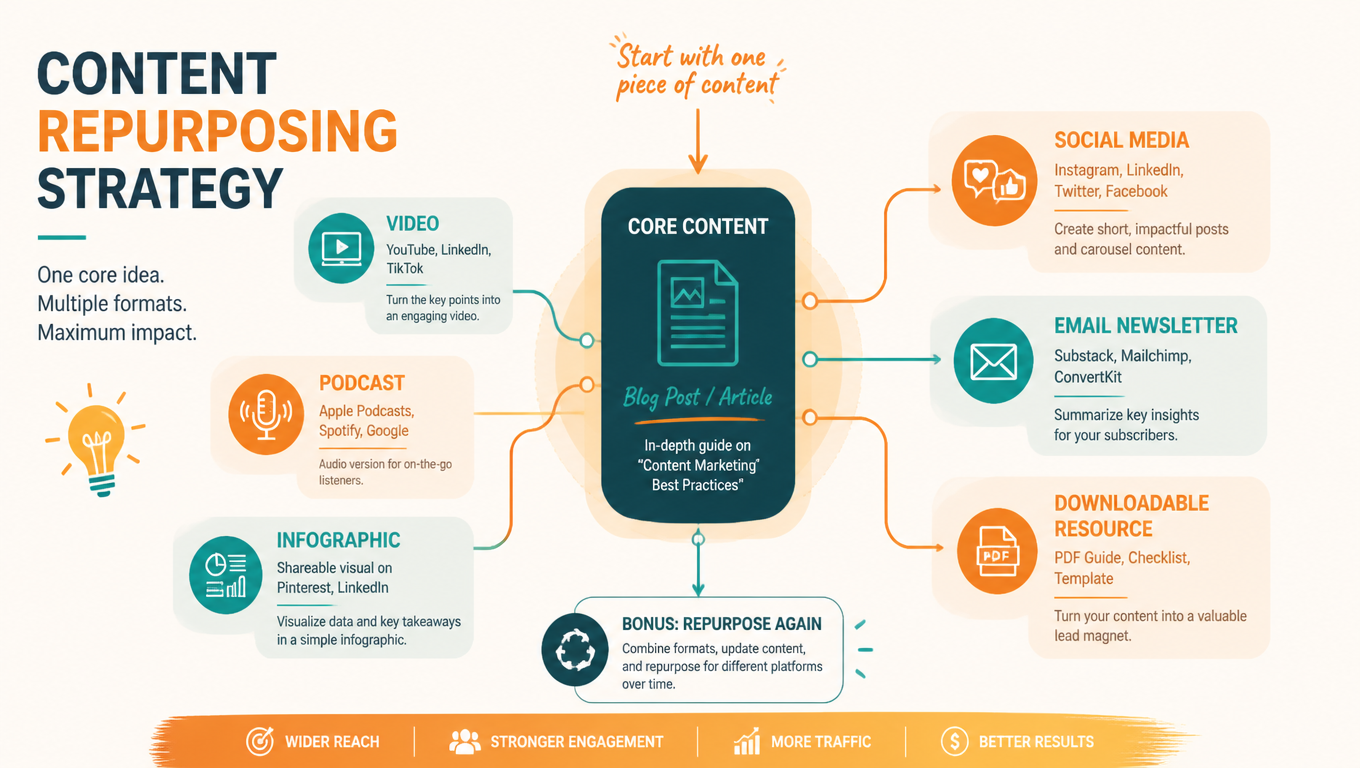
Content Repurposing: How to Turn One Article into 20 Assets Without Burning Out
72% of marketers produce more content than last year, but engagement is flat. The fix isn't producing more — it's getting more out of what you already have. A practical guide to content repurposing with data from CMI, SEMrush, and real teams multiplying their reach without duplicating hours.

Branded Content: How Digital Agencies Win With Content That Doesn't Look Like Advertising
Branded content investment is growing at 17.6% annually. Global ad spend will surpass $1 trillion in 2026. But the brands winning aren't the ones spending the most — they are the ones who understand that non-advertising content drives more engagement, more trust, and better ROI. Strategy guide with current data.

AI Content Detection: SynthID, C2PA, and What It Means for Your Content Strategy
Google integrated SynthID and C2PA into Chrome and Search at I/O 2026. The EU AI Act mandates synthetic content labeling from August 2026 with fines up to 3% of global turnover. Here is how content authenticity infrastructure works and what to do about it.
AI Podcasts and Synthetic Audio: The Content Frontier Nobody's Talking About Enough
Almost 40% of new podcasts are now AI-generated. We break down the market data, the tools, and what this means for content creators and brands looking to scale audio production.

The Death of Stock Photography: Generative AI for Unique Brand Assets
Stop using the same Unsplash photos as your competitors. Discover how Generative AI allows brands to own their visual identity completely.

The Content Flywheel: Short-Form Video Automation
How to turn one webinar into 20 TikToks without hiring an editor. The workflow for dominating vertical video.

The Content Production Pipeline: From Idea to Distribution
Build a content production pipeline that turns one idea into multiple assets. From AI-assisted writing to automated distribution — the system that keeps your brand publishing consistently without burning out your team.
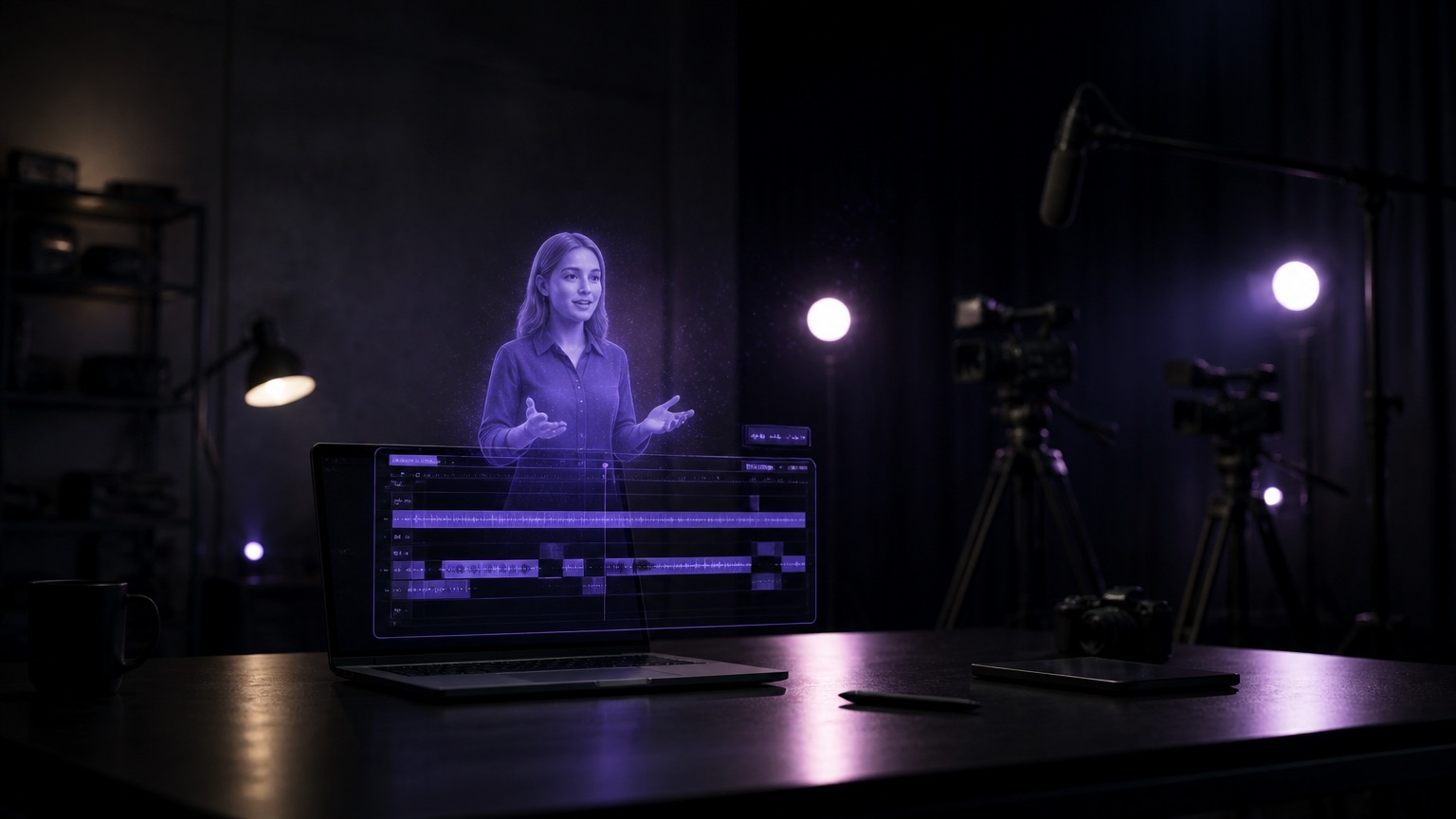
Synthetic Media: Revolutionizing Video Production
Learn how AI is democratizing audiovisual production, allowing studio-quality content creation without cameras or microphones at a fraction of the cost.

Synthetic Media: Storytelling at the Speed of Culture
How AI video and audio tools empower our creative directors to produce global campaigns in record time.