

The webdevelopment Ledger.
Deep dives into webdevelopment strategy, accelerated by 15 years of operational excellence.

Should you turn on Cache Components now that Next.js 16.4 recommends it for every app?
Next.js 16.4 makes Cache Components the recommended model for every Next.js app. What actually changed, the three caches that decide whether your data is fresh, and when we enable it — with numbers from our own projects.

Safari 27 ships the model element: when a native 3D embed is worth it
Safari 27 lets you embed a 3D model with a plain HTML tag, no JavaScript required. Here is what changed, which browsers actually support it, and the three-layer framework we use to decide whether 3D helps a page or quietly destroys its Core Web Vitals.

Chrome 154 already asks before it opens your HTTP site — here's the 30-minute audit we ran on mintec.co
Chrome 154 turns on Always Use Secure Connections by default for public sites, so Chrome asks permission before loading a page that will not answer over HTTPS. What actually triggers the prompt and what does not, plus the five checks we ran against our own site on October 5, 2026.

Cloudflare's Own Docs Now Open With "Are You Sure You Want to Use Pages?" — What the Move to Workers Means for an Astro Site Like Ours
Cloudflare has not deprecated Pages, but its documentation now opens by telling you to start on Workers instead, and the official Pages-to-Workers migration guide was updated on September 22, 2026. Here is what actually changes for a static Astro site, the four-line paragraph that decides whether your middleware still runs, and the framework we used to decide whether to move mintec.co.
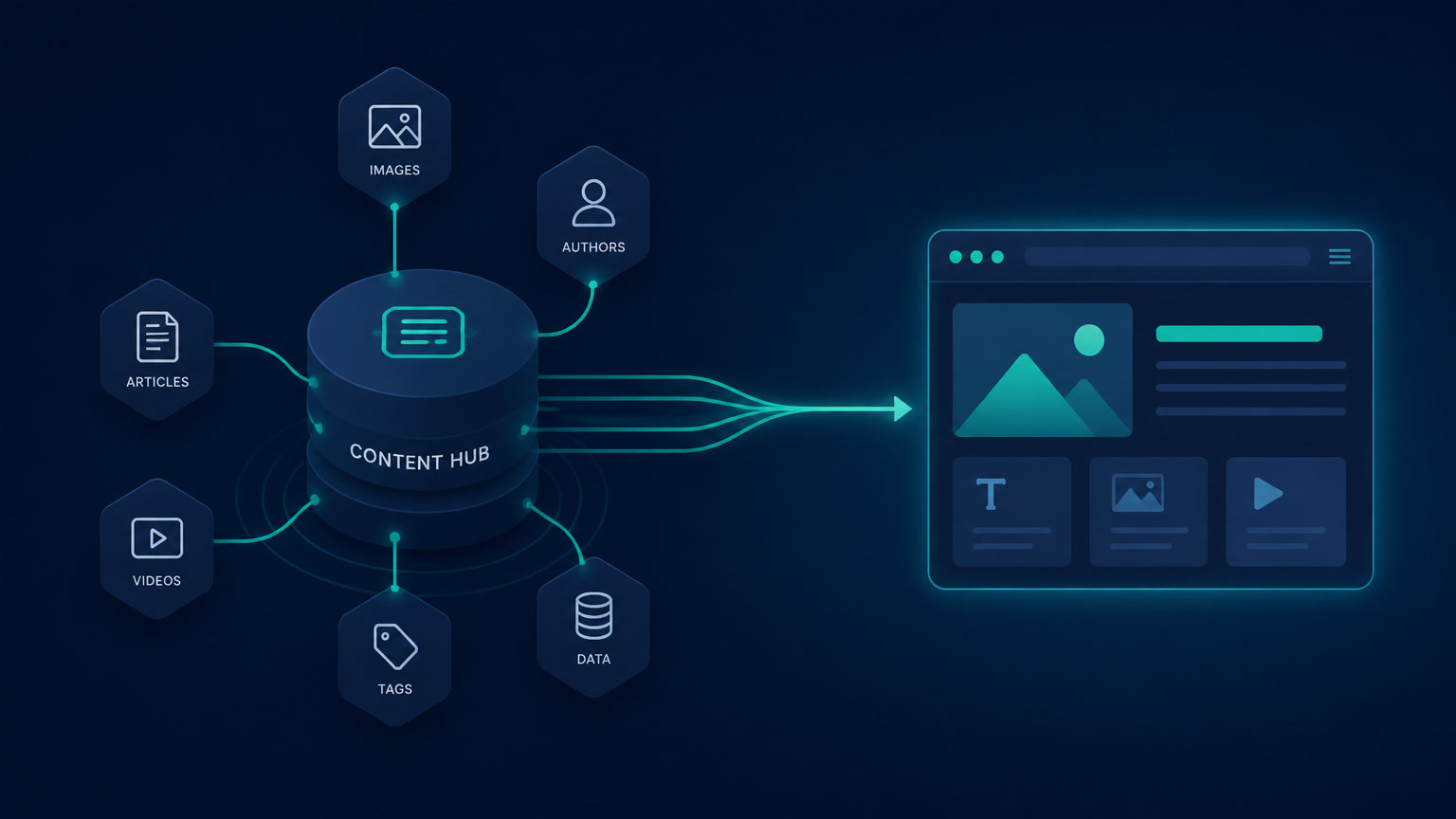
Headless Drupal on Vercel: What the Acquia Alliance Changes — and What It Doesn't
Acquia and Vercel partnered on September 28, 2026 to run headless Drupal with live preview on Next.js, Nuxt, Astro and TanStack Start. What the deal actually removes, what it really costs, and how to choose between coupled Drupal, Canvas headless, a SaaS headless CMS, and git-based content.

The Next.js Dev Server Now Has an Attack Surface of Its Own: What the MCP Endpoint Patch Actually Changes
Next.js 16.3.8 and 15.5.27 fix seven vulnerabilities published September 30, 2026 — including CVE-2026-94486, where next dev's MCP endpoint lets any website a developer visits read project paths, the route inventory and dev logs. A triage matrix for all seven, plus the exposure model we use for dev servers in an agent-driven workflow.
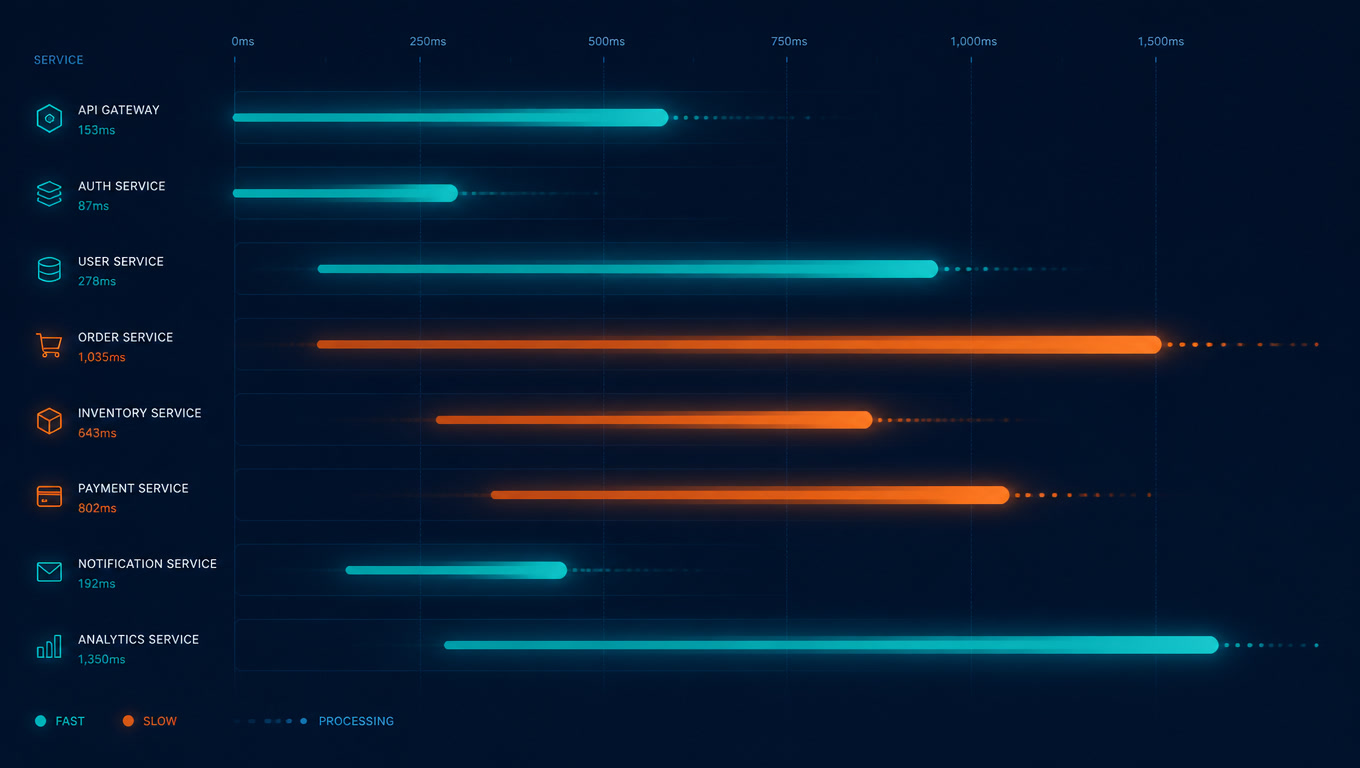
Cloudflare's BEACON Dataset: What 10,000 Sites of Field Data Reveal About Where Your LCP and INP Time Actually Goes
Cloudflare opened billions of anonymized real-user Core Web Vitals measurements in BigQuery on September 28, 2026. The sub-part tables show image downloads were never your bottleneck — render delay and main-thread work are.

Invoker Commands are Baseline: the click listeners in your modals and menus are dead code now
The Invoker Commands API (commandfor + command) became Baseline in December 2025, so a button can open a dialog or toggle a popover with no JavaScript at all. Here is the component-by-component framework for what you can delete today, and the two places native still loses.
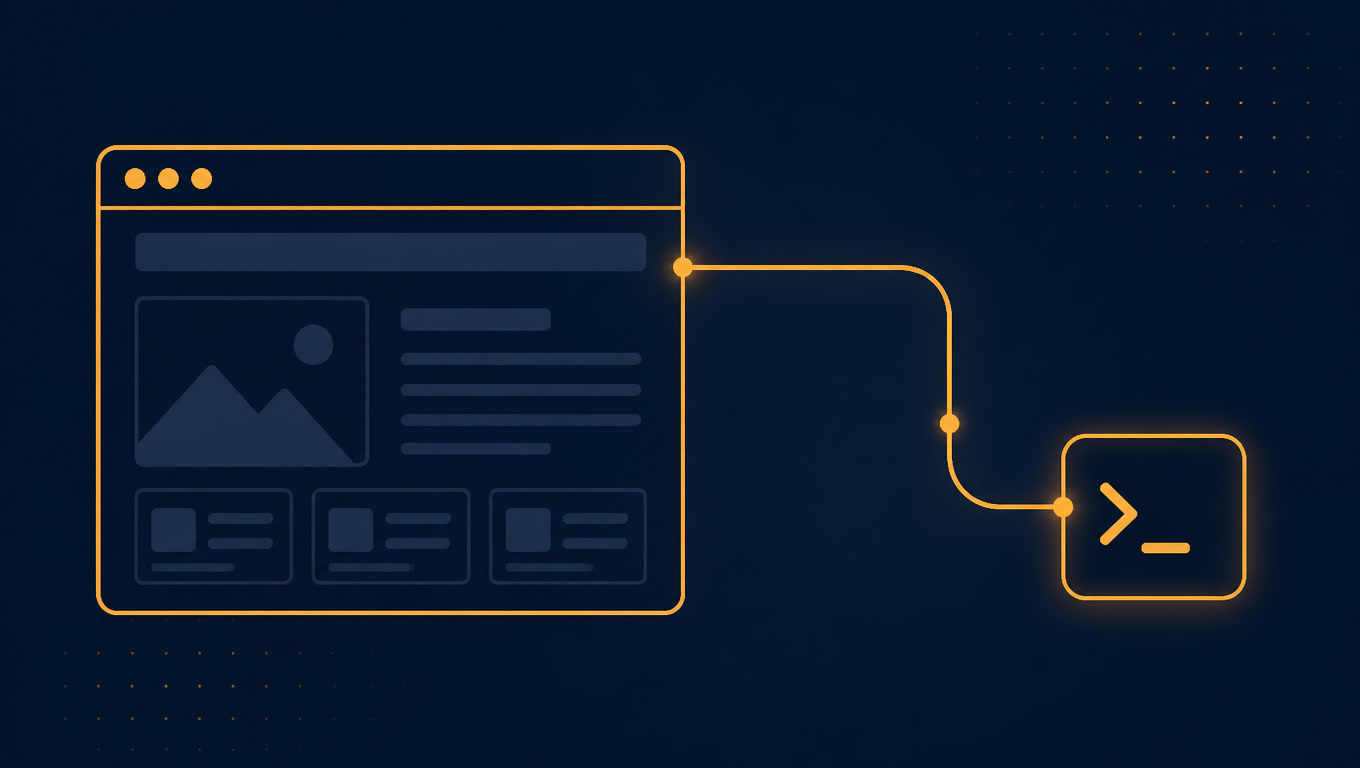
Can an AI agent test your site in Safari now? What the Safari MCP server actually fixes
Safari 27 ships a first-party MCP server built on safaridriver, with 17 tools that let a coding agent screenshot, inspect and interact with a real WebKit page. Here is what that fixes for cross-browser QA, what it still cannot cover, and the testing-layer map we use before release.

EN 301 549 v4.1.1 Moved European Accessibility to WCAG 2.2: What to Ship Now vs. What the Law Says Today
EN 301 549 v4.1.1 was published on September 2, 2026 and moves Europe's technical accessibility benchmark from WCAG 2.1 AA to WCAG 2.2 AA — but it is not the legal reference yet. What actually changed, which requirements bind you today, and how to split the engineering roadmap from the legal yardstick.
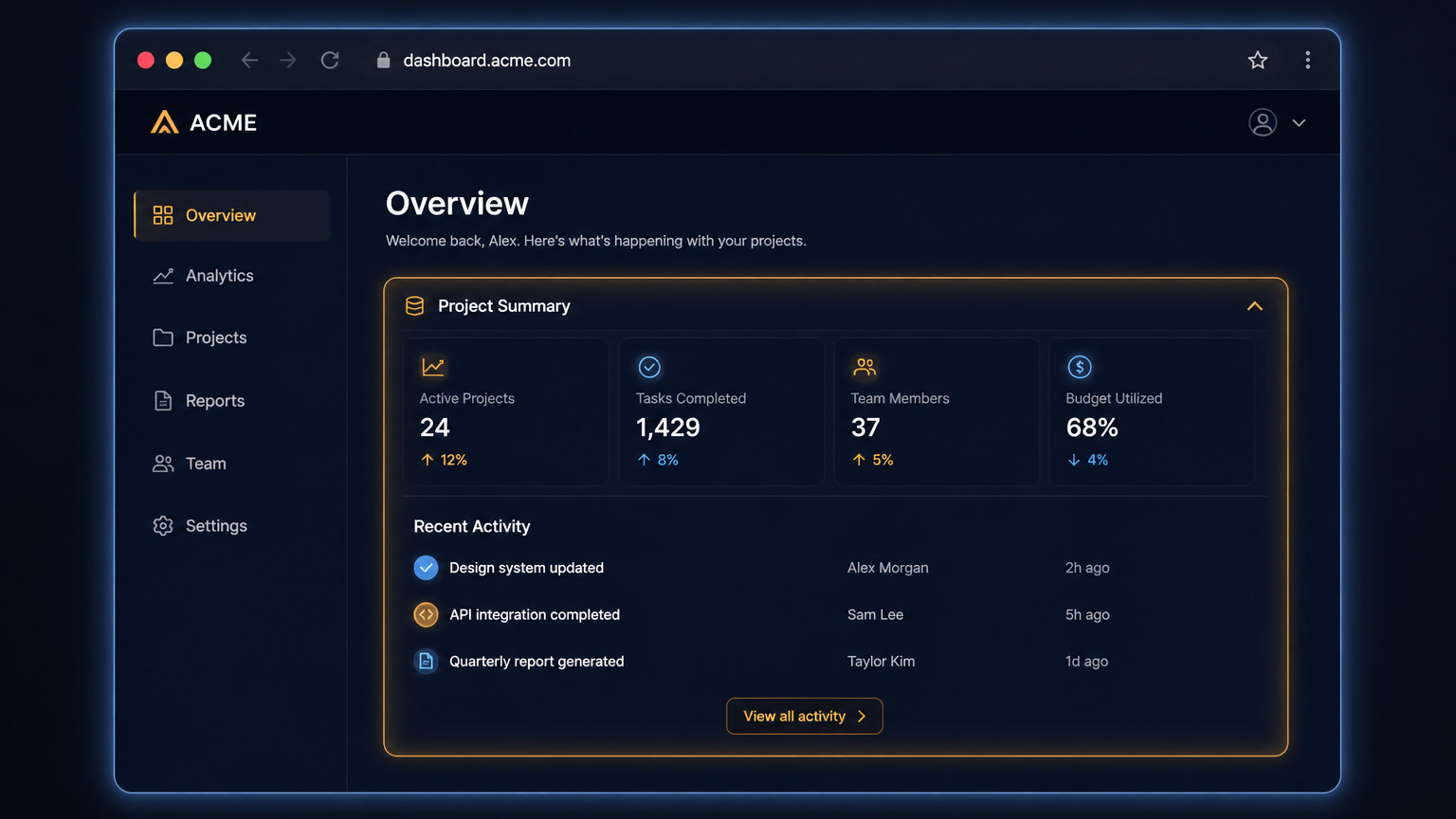
Chrome 154 Takes Over Iframe Sizing and Carousel Semantics — Here's Where to Adopt It
Chrome 154, stable on September 22, 2026, adds frame-sizing so an iframe can match the height of the document inside it without a postMessage shim, plus links and tabs modes that give CSS scroll markers real WAI-ARIA roles. Both are Chromium-only today, and Google warns responsive iframe sizing can shift content and hurt Core Web Vitals.

overflow-anchor is Baseline: how to stop scroll jumps without breaking CLS
overflow-anchor is available in current browsers. Here is how to debug scroll jumps, protect the content a reader is using, and measure the result without trading one layout problem for another.
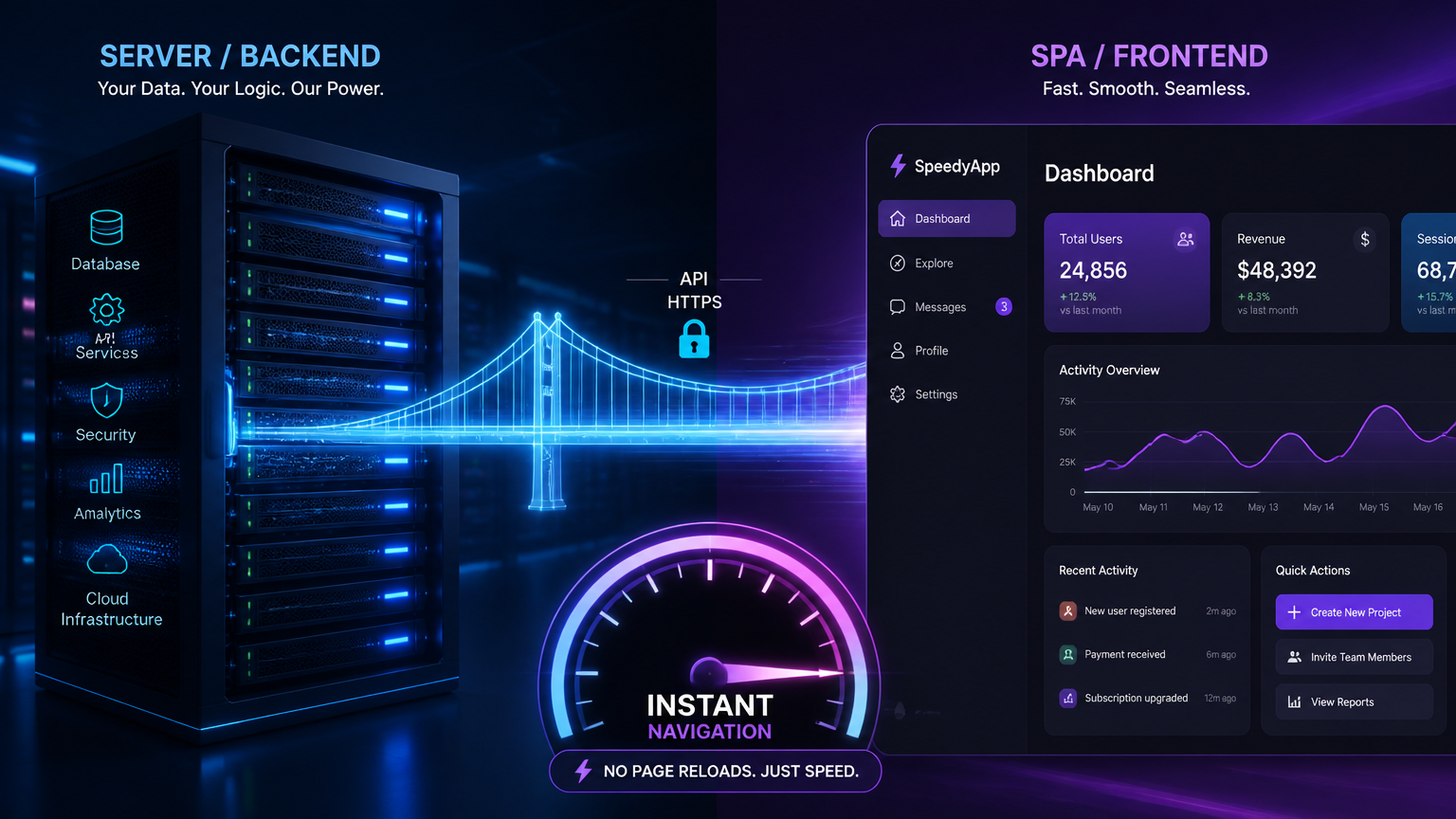
Next.js 16.3 Instant Navigations: What the Server-to-SPA Bridge Actually Changes
Next.js 16.3 adds Instant Navigations, 90% less dev memory, and AI coding tooling. Here's what each feature actually does, real benchmark numbers, and when to adopt each one.
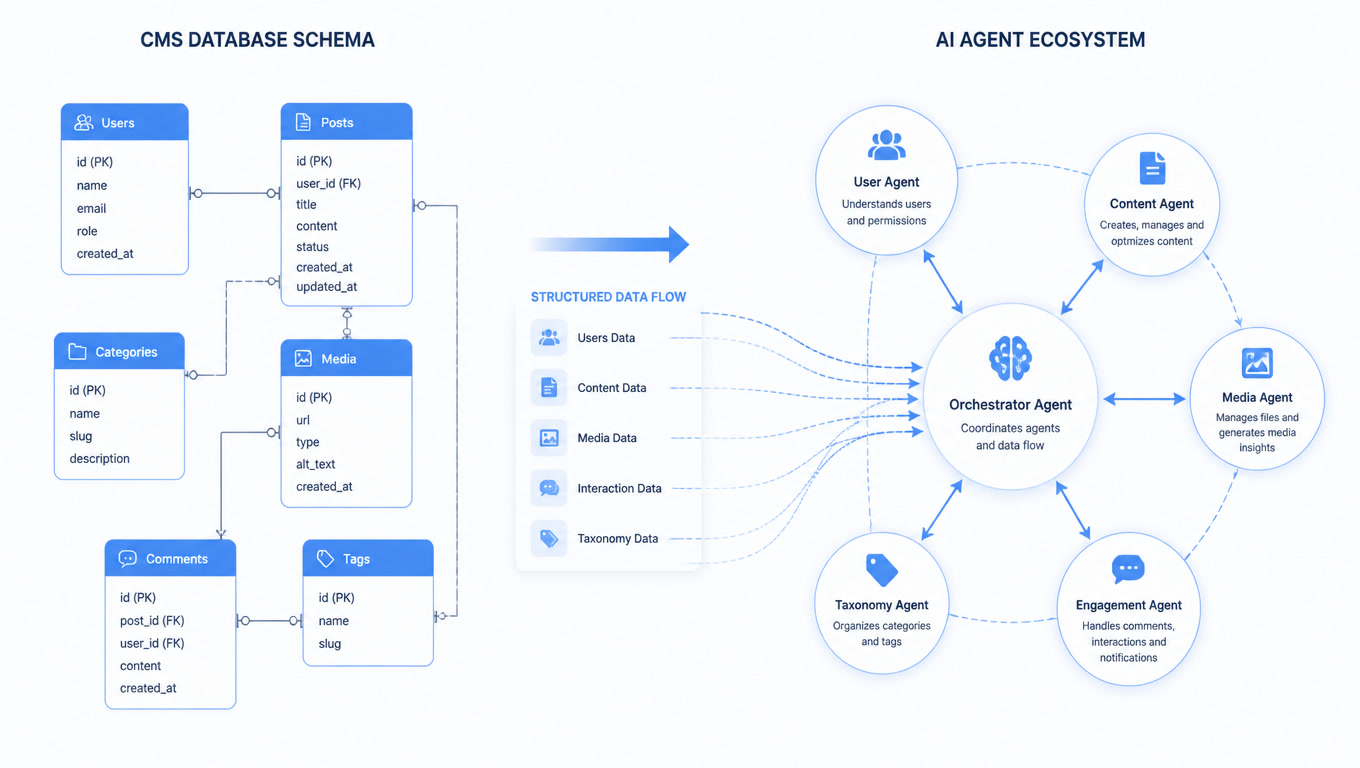
The Agentic CMS: Why Your Content Models Are Now AI Infrastructure
AI agents aren't a plugin — they're consumers of your content. Why the design of your schemas, endpoints, and data architecture determines whether your stack survives or explodes when agents start operating.
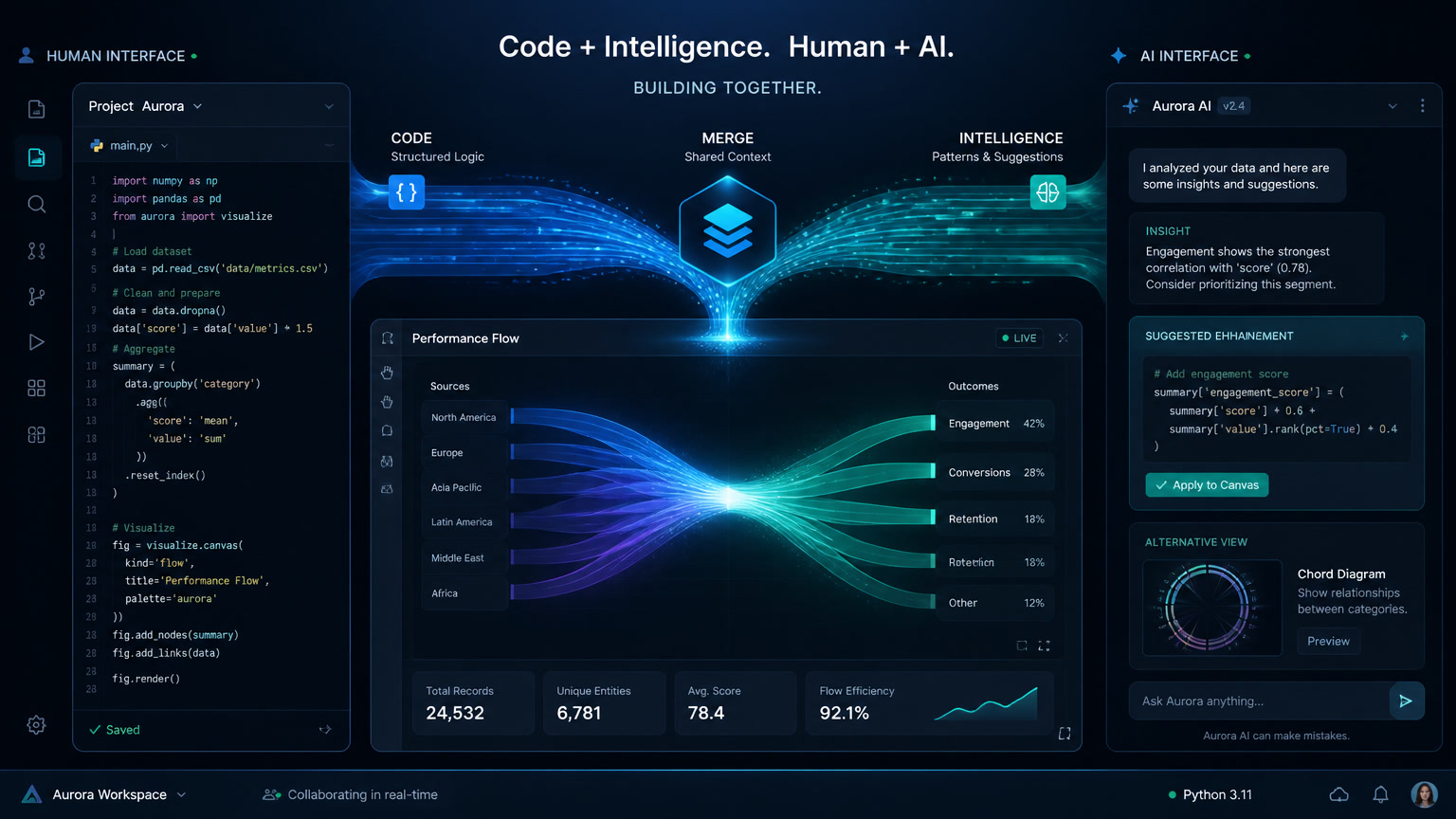
Webflow Source: the agent-first CMS that changes who controls the AI layer
Webflow launched Source at Conf 2026: a workspace where marketing teams and AI agents share the same codebase with governed access. How it compares to Wagtail 8.0 and Contentful/Salesforce for your agentic CMS stack.
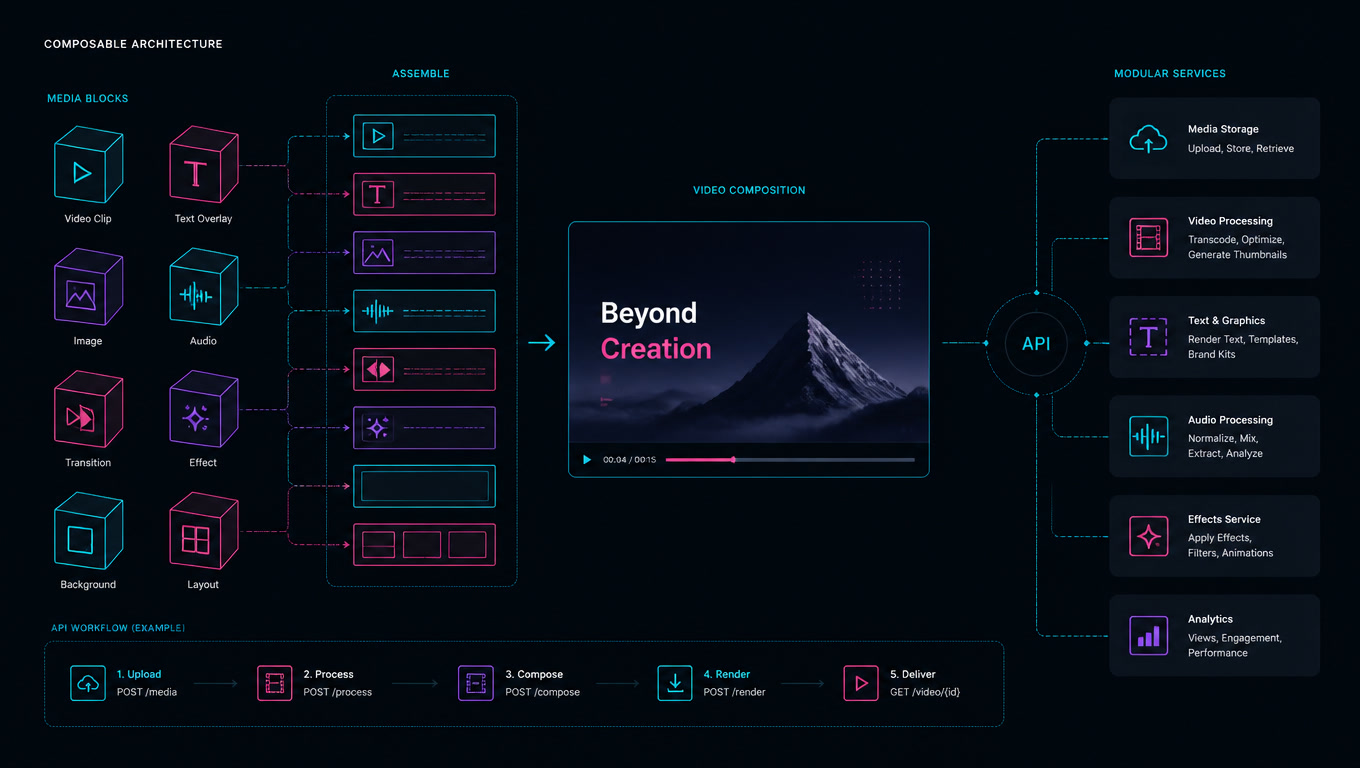
Headless Video Editors: When Composable Architecture Meets Video Production
Headless video editors (API-first rendering) are the infrastructure layer programmatic video production needed. Remotion, Shotstack, Creatomate and the composable architecture pattern applied to video.
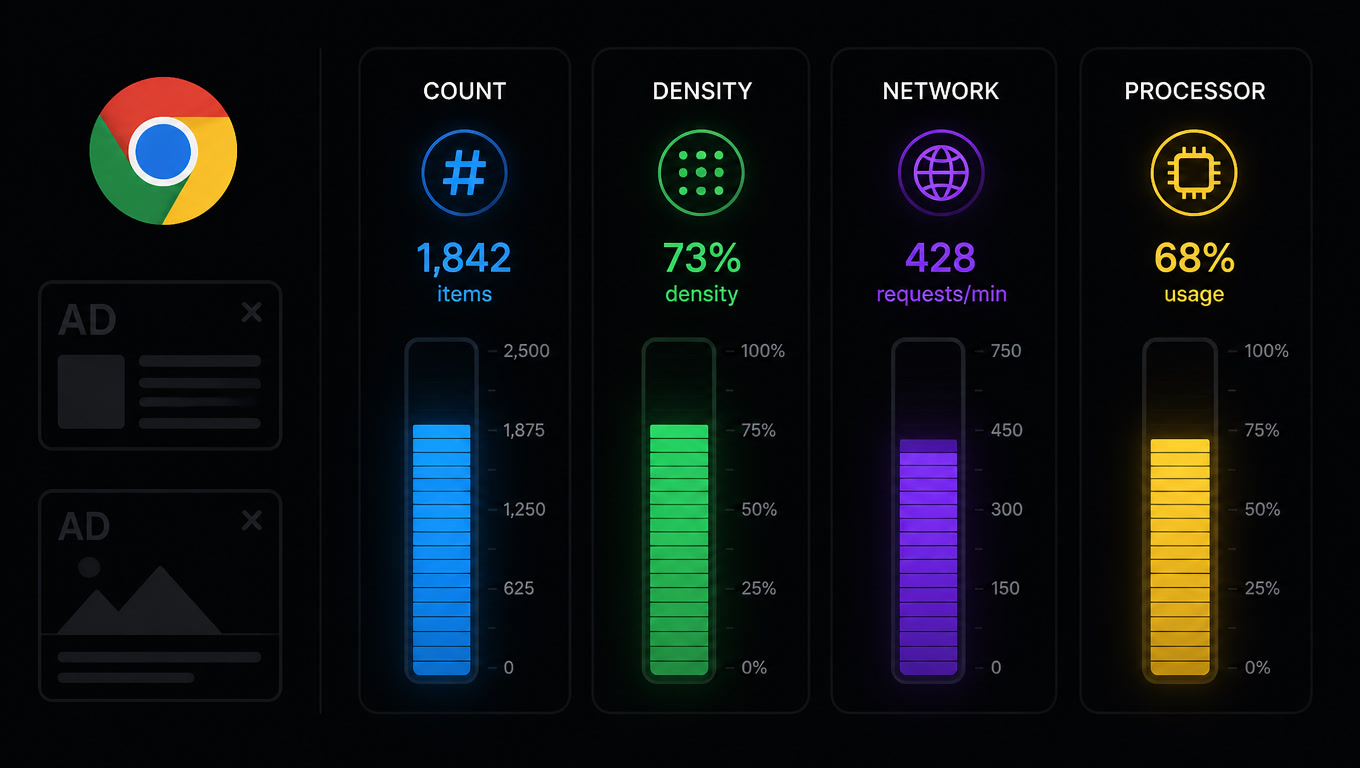
Chrome Now Publishes Ad Load Data for Every Site — Here's What It Means for Your Performance Strategy
Google added four new ad metrics to CrUX on September 15, 2026. Ad count, ad density, ad network weight, and ad processor weight are now public. No thresholds yet — but the signal is clear.
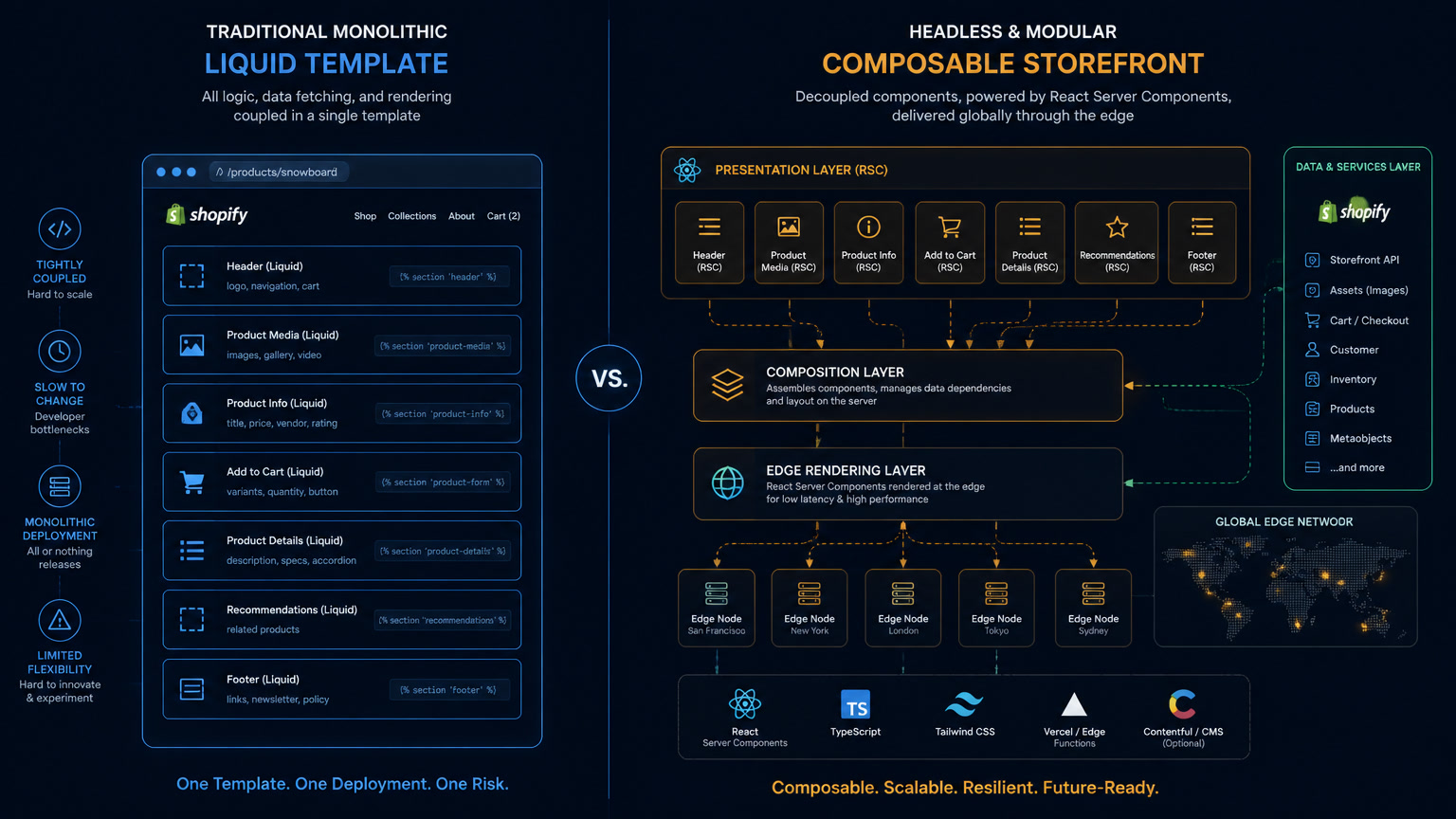
Shopify Hydrogen 3.0: The Composition Layer That Changes Headless Commerce Rules
On September 15, 2026, Shopify launched Hydrogen 3.0 with native React Server Components, 90+ edge nodes, and a Storefront Composition Layer that enables selective headless migration page by page. We analyze what this means for agencies and mid-market merchants.
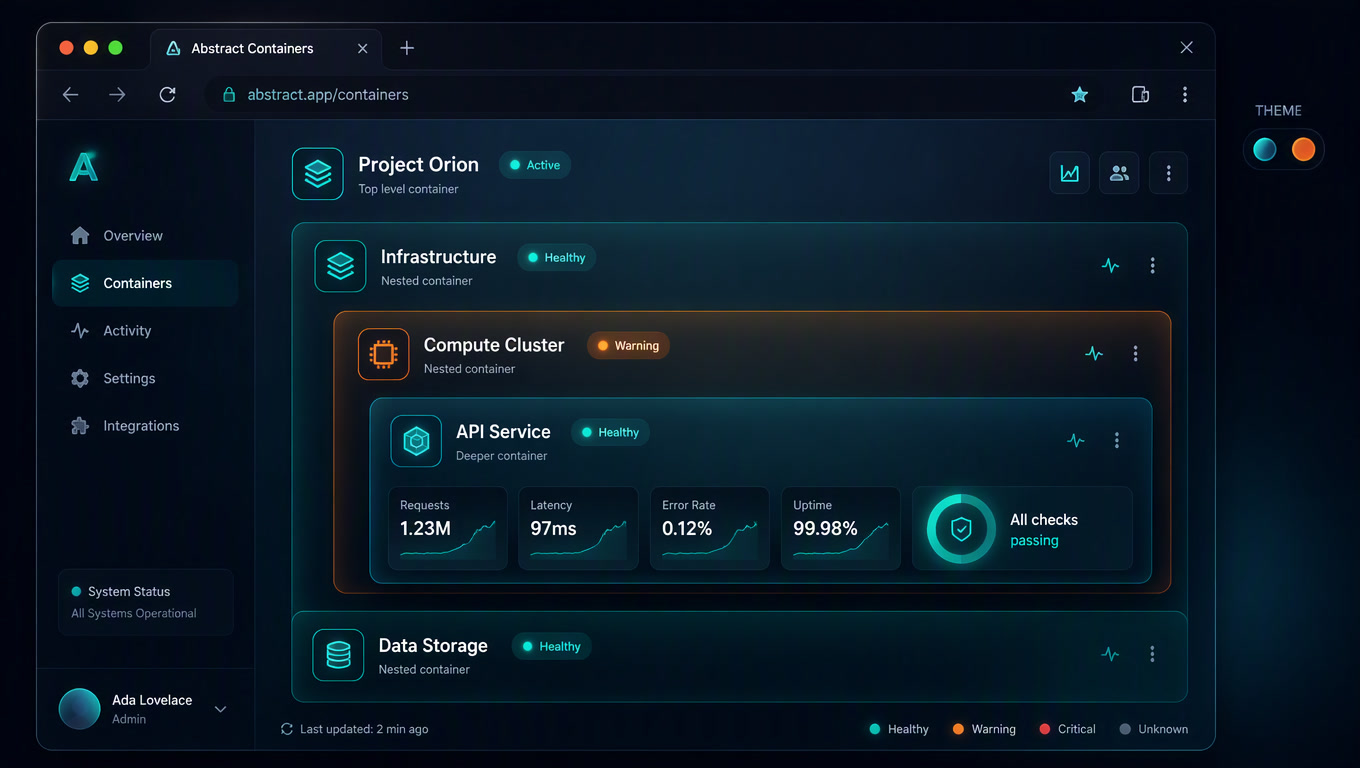
Container Style Queries and :open: CSS That Understands Size and State
Since May 2026, CSS components can adapt to their container's size AND visual state without JavaScript. Container style queries and the :open pseudo-class are both Baseline. Real-world analysis with production code, migration patterns, and the decision framework we use at Mintec.
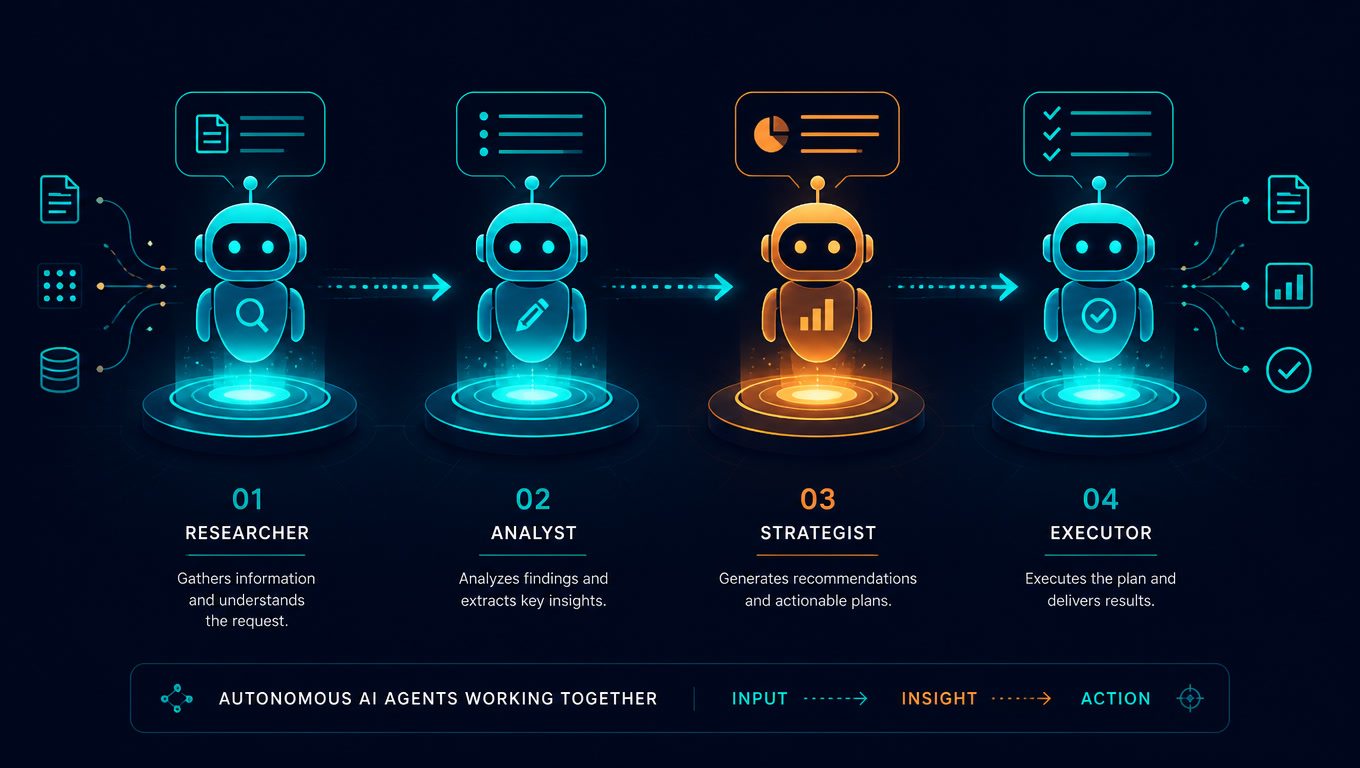
Astro Cut Its Open Issues From 200 to 20 With 4 AI Agents — And Cloudflare Just Open-Sourced It
Cloudflare released triagebot-action, the 4-agent AI pipeline that reduced Astro's open GitHub issues from 200+ to near-zero. How it works, what it means for framework maintenance, and why agencies should pay attention.
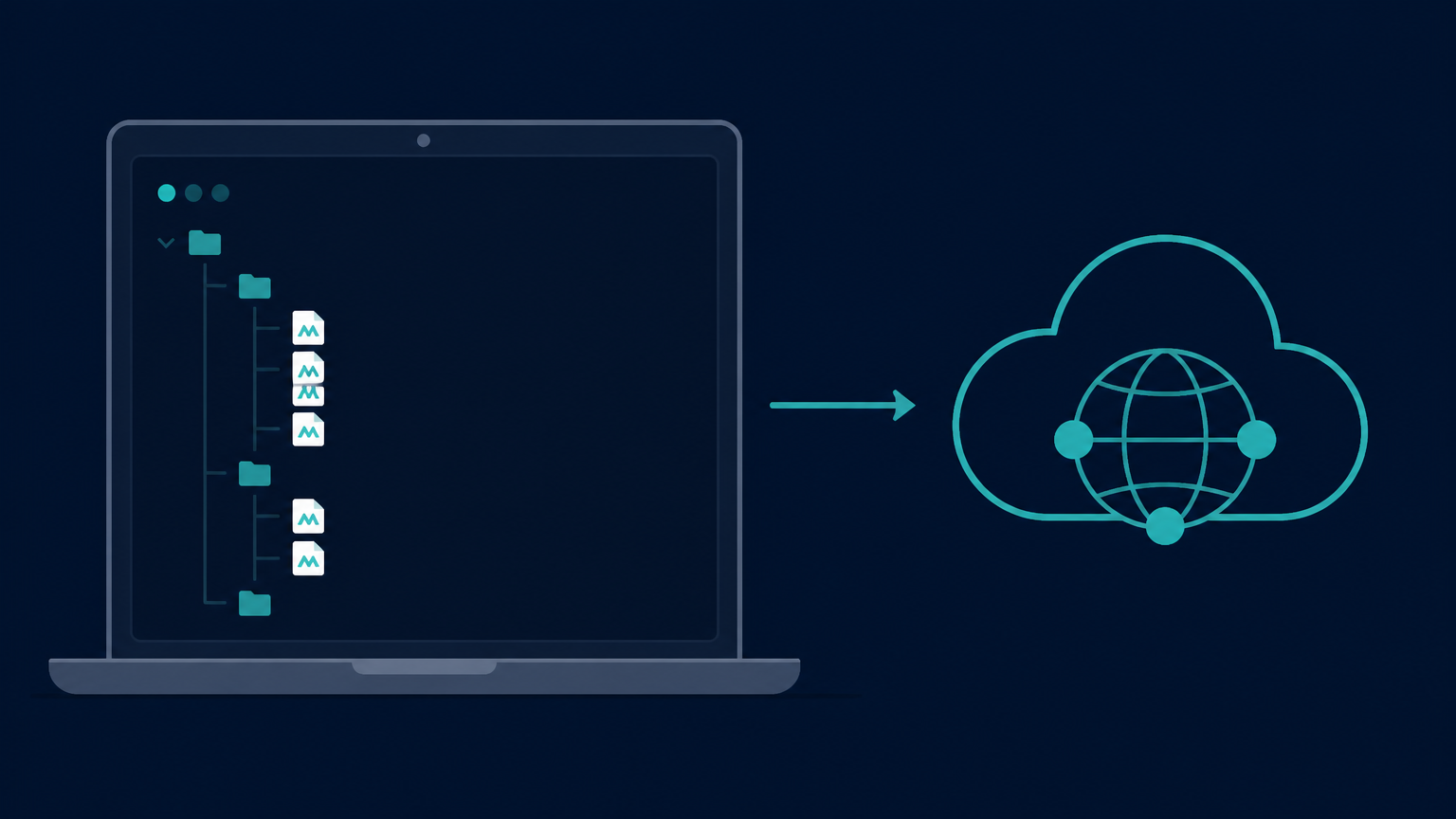
Your CMS Doesn't Need a Server Anymore: The Local-First Pattern for Content Sites
WebHaste launched a local-first CMS this week. It's not the only one. Here is why file-based content management is quietly replacing server-side CMS for agencies building content sites — and when you should care.
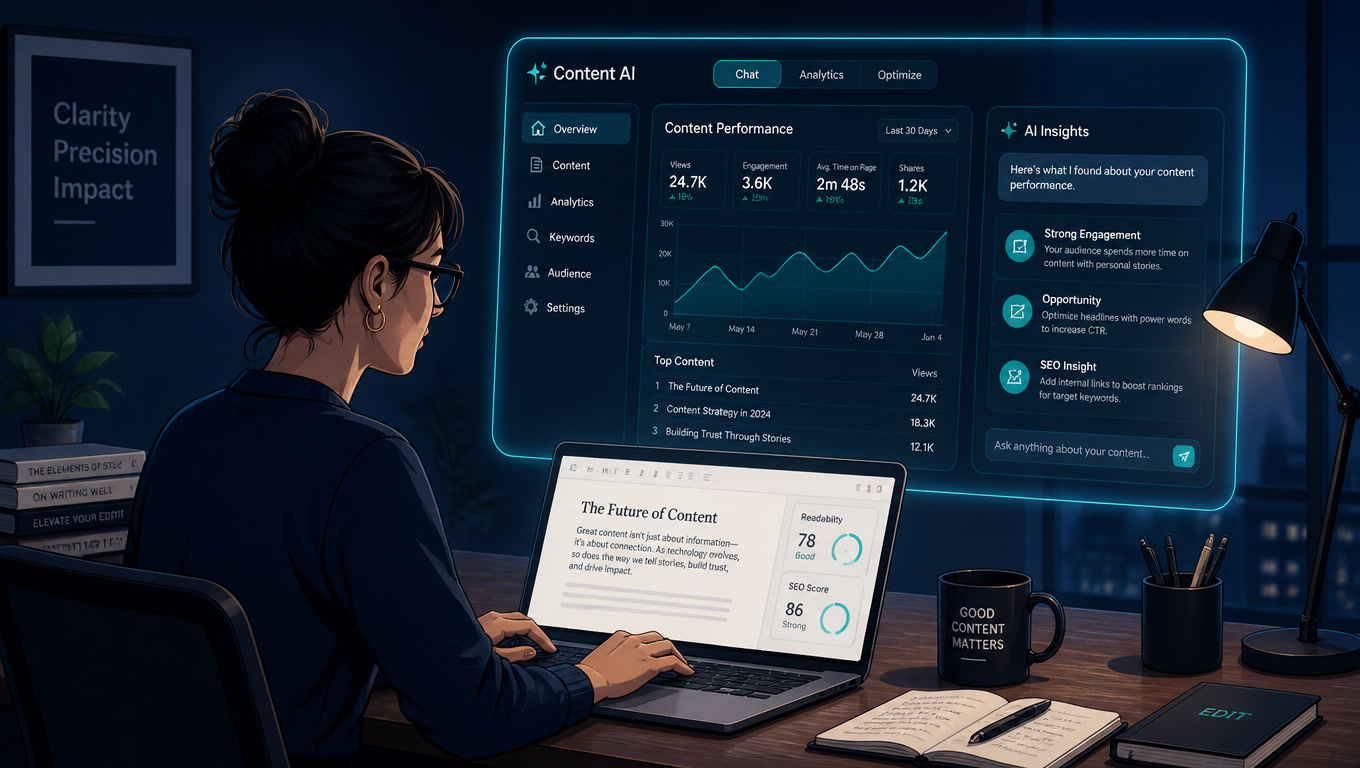
Storyblok Agents: When Your Content Team Talks to the CMS Through AI
Storyblok launched Agents on September 10, 2026: a conversational content operations layer that lets editors find stale content, build custom agents, and automate recurring tasks — without writing code. What changes for content teams and why it's not the same as a developer agent API.
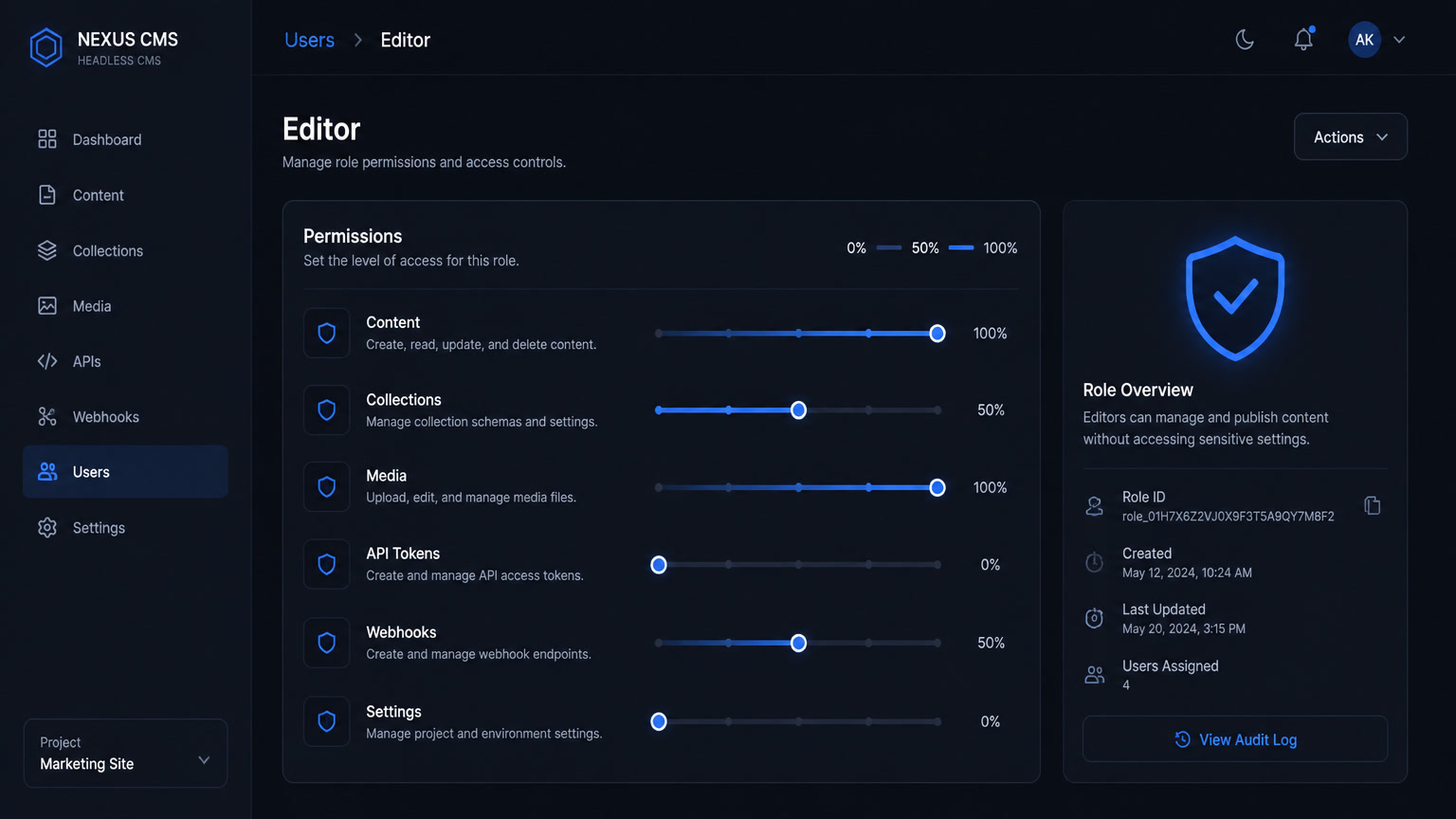
The Headless CMS Is Now the Governance Layer for AI Content — Here's What the MCP Server Actually Changed
Strapi's MCP server reached GA on September 3, 2026. Sanity logged 1.46 million AI agent tool calls in 7 months. The headless CMS is no longer just a content delivery API — it is the permission boundary, audit trail, and identity layer for AI agents writing to your content repository. Here is the architecture we run in production.
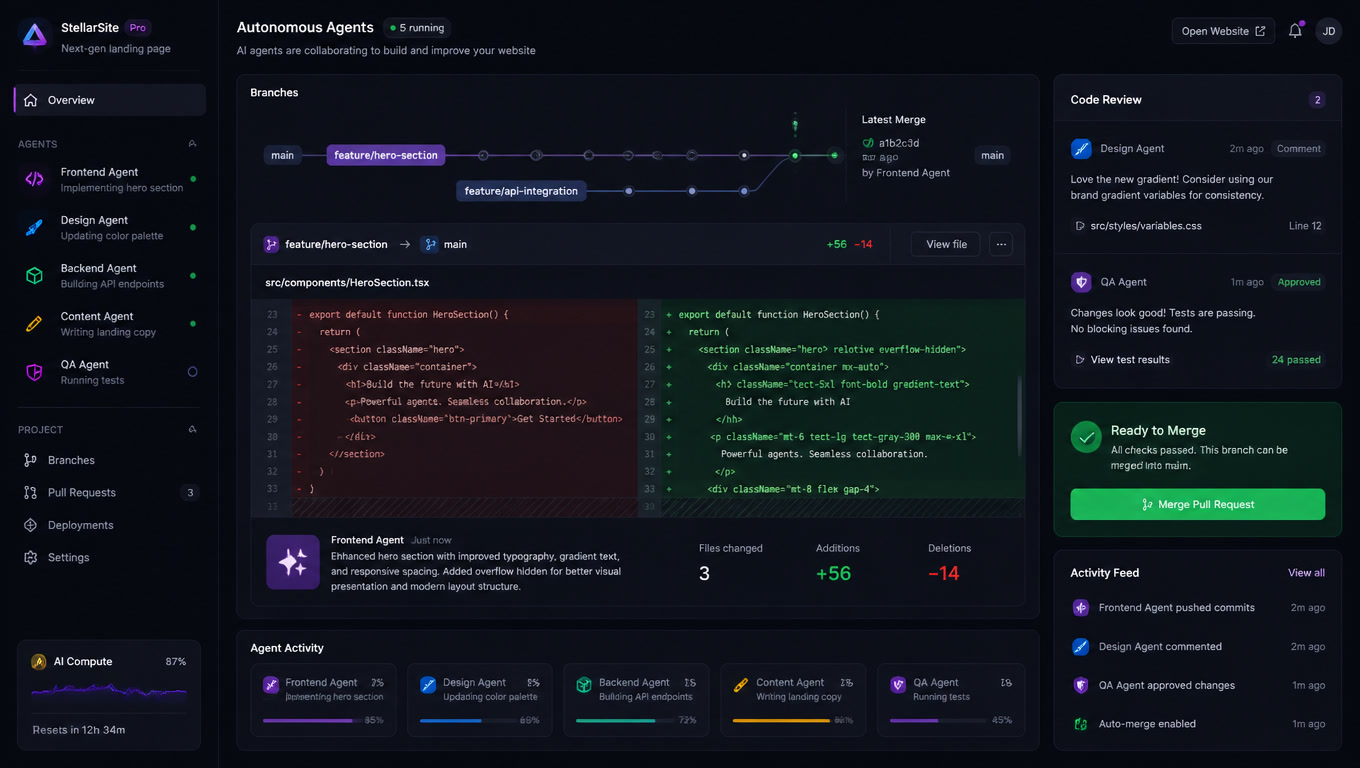
Fimo Turns AI-Generated Code Into Websites That Improve Themselves
Fimo, the autonomous website platform from the Strapi team, launched September 8, 2026. It takes code from Claude Code, Codex, or Cursor and wraps it with agents that run 24/7 on SEO, translations, and content refresh — each change landing in a branch you review. Here is what it actually changes for agencies and dev teams.
Wagtail 8.0: A CMS with AI agents, not an AI CMS
Wagtail 8.0 ships a 50+ operation agent API with MCP support and an opt-in philosophy. Why deciding AI doesn't go in the admin button is the smartest move in the 2026 CMS ecosystem.

Astro 7.2.4 Patches a Base-Path Auth Bypass: What It Teaches About Middleware Authorization
CVE-2026-84376 lets unauthenticated attackers bypass middleware authorization in Astro apps using a non-root base path. Here's how the vulnerability works, what the 7.2.4 patch changes, and the authorization pattern we now enforce across every Astro deployment.
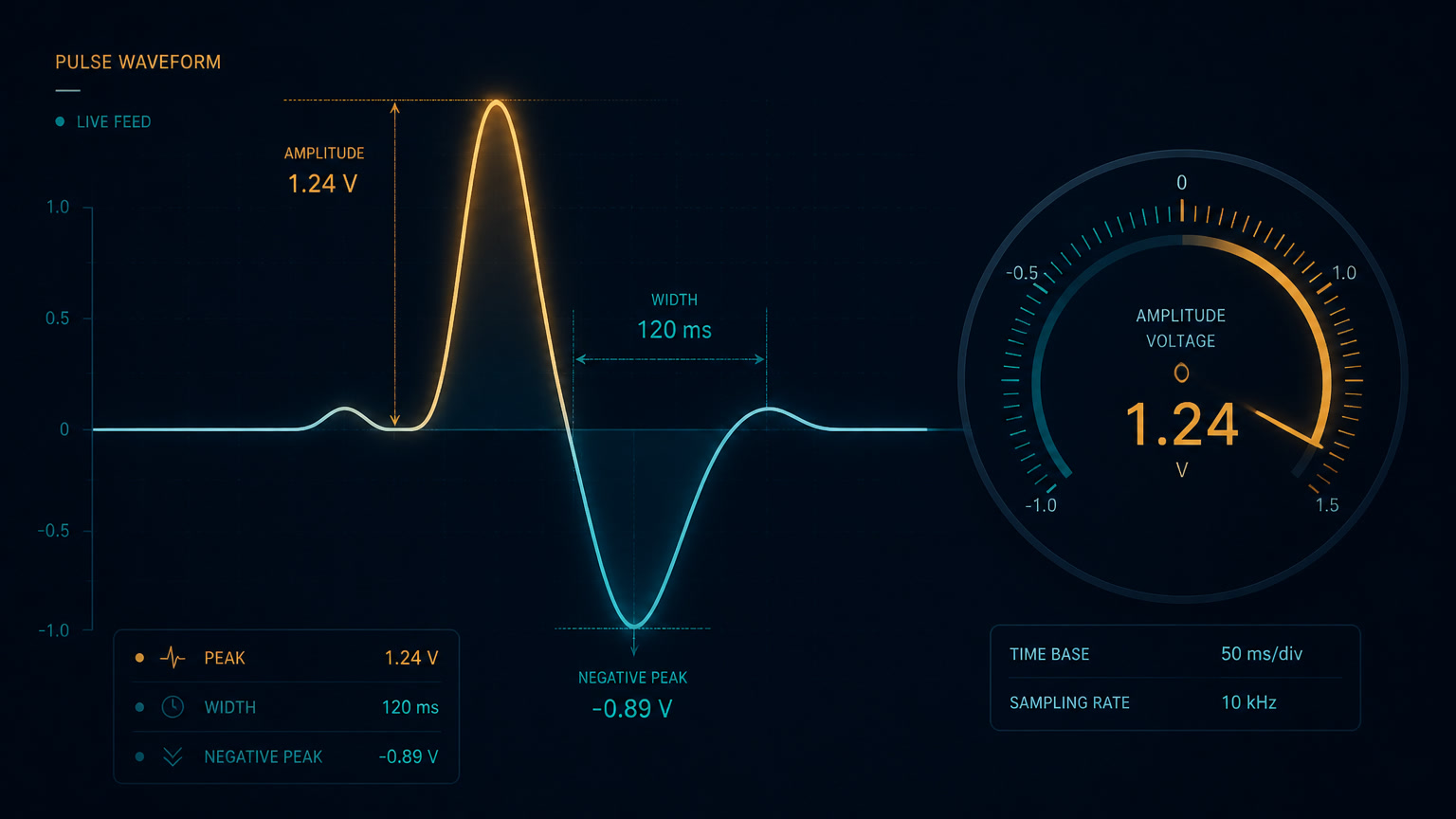
Chrome 153 Opens the Web Worker Black Box: LoAF Comes to Off-Main-Thread Media Pipelines
Chrome 153 (stable September 8, 2026) extends the Long Animation Frames API to Web Workers — long tasks that block a worker's event loop are now measurable from inside the worker, with per-script attribution. How to instrument WebCodecs video pipelines, the real case of Mintec's medical video portal, and when the worker — not the main thread — is your actual bottleneck.
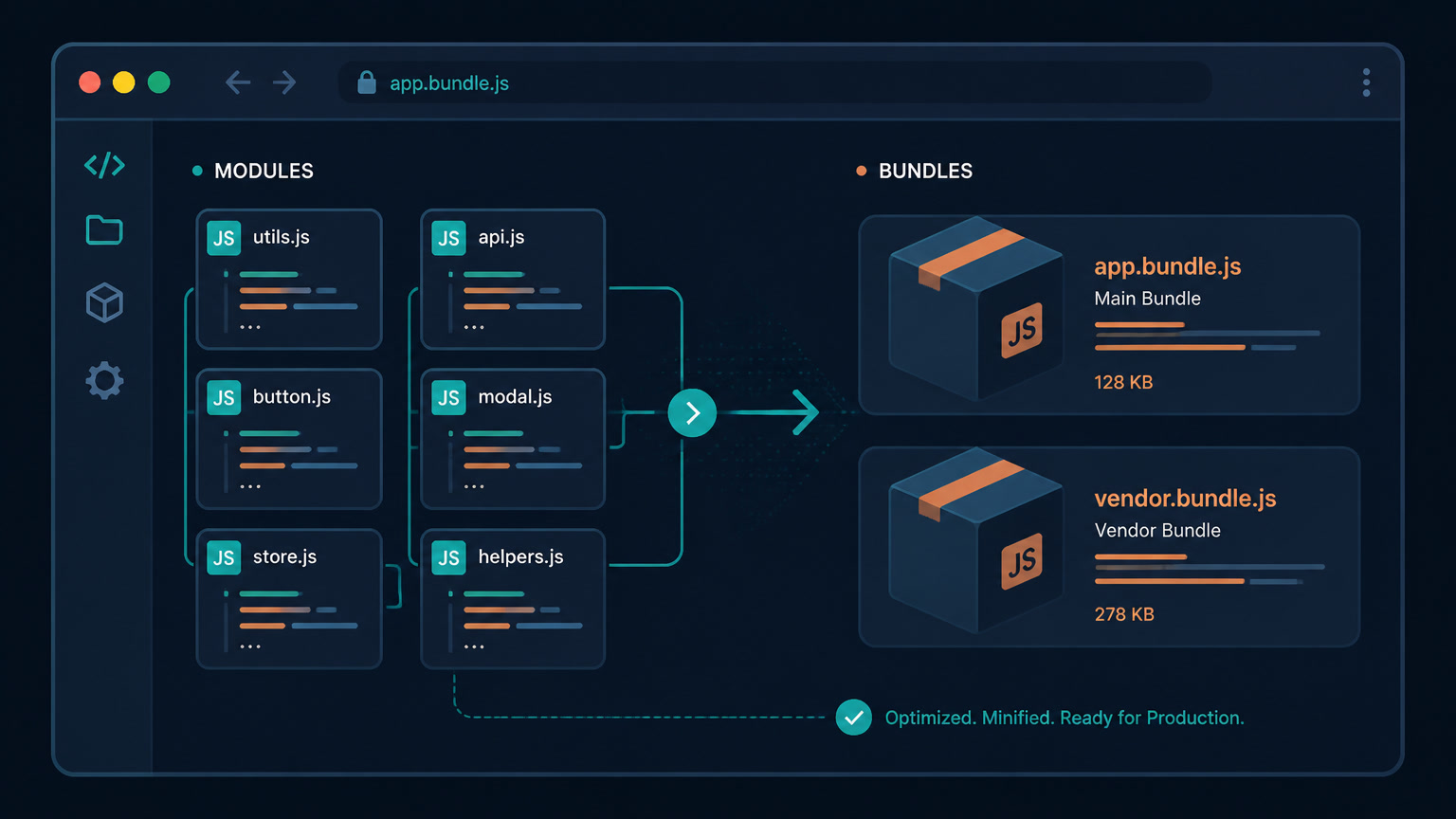
Turbopack chunking in Next.js 16.3: tuning the tradeoff between first load and navigation
Next.js 16.3 ships the first controls for how Turbopack splits your JavaScript: firstPageLoadPriority, priorityRoutes, clusters and generateComponentChunks. Here's how chunking works, the real benchmark numbers, and a decision framework for when to change the defaults.

Agents Will Publish to Your CMS Whether You're Ready or Not: The Guardrail Architecture We Run in Production
Salesforce closed its Contentful acquisition on September 1, 2026, making the flagship headless CMS a native content layer for Agentforce — agents that deliver content 'without manual publishing steps.' Here is the four-layer guardrail architecture we run in production for agent-assisted publishing on Astro: scoped identity, dedup gates, schema validation with diff, and post-publish verification with rollback.
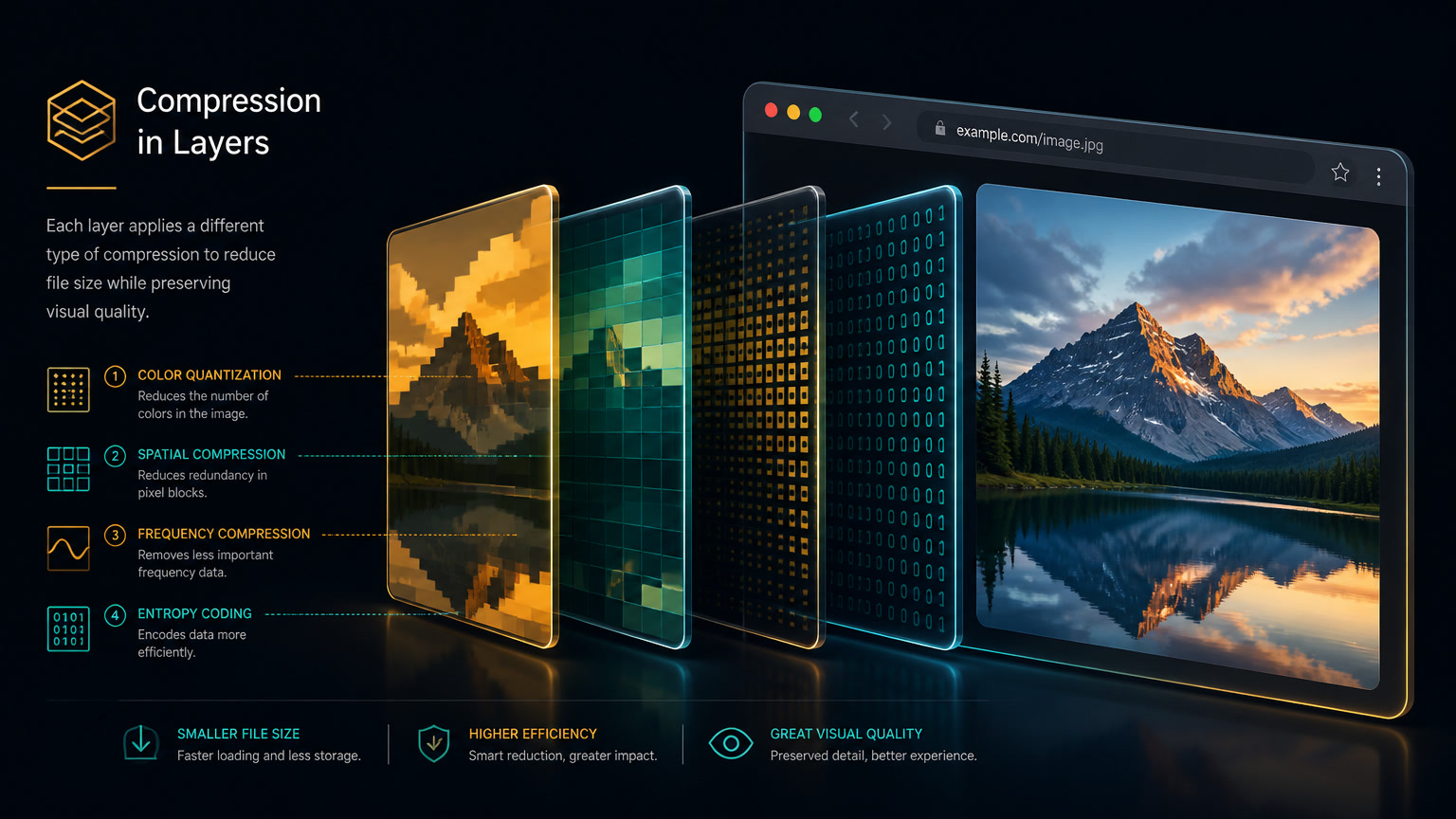
JPEG XL Lands in Firefox 157: What Changes in Your Image Pipeline
Firefox will enable JPEG XL decoding by default in version 157 (late September 2026), Chrome and Edge have formalized their intent to do the same, and Safari has supported it since 2023: the format will be supported across all three engines before the end of the year. This is the AVIF/WebP/JPEG XL decision matrix we use at Mintec to prepare image pipelines without sacrificing performance.

The AVIF That Saved You Kilobytes Can Now Execute Code: Next.js's Critical Image RCE and Where to Decode
On August 25, 2026, Vercel shipped Next.js 15.5.24 and 16.3.3 to fix GHSA-2xp9-vwfh-vxw4 — an unauthenticated critical RCE (CVSS 9.5) when the Image Optimization API processes AVIF files, caused by a heap buffer overflow in libheif. Why the patched releases disable server-side AVIF optimization, and why where you decode images is now a security decision, not a performance one.
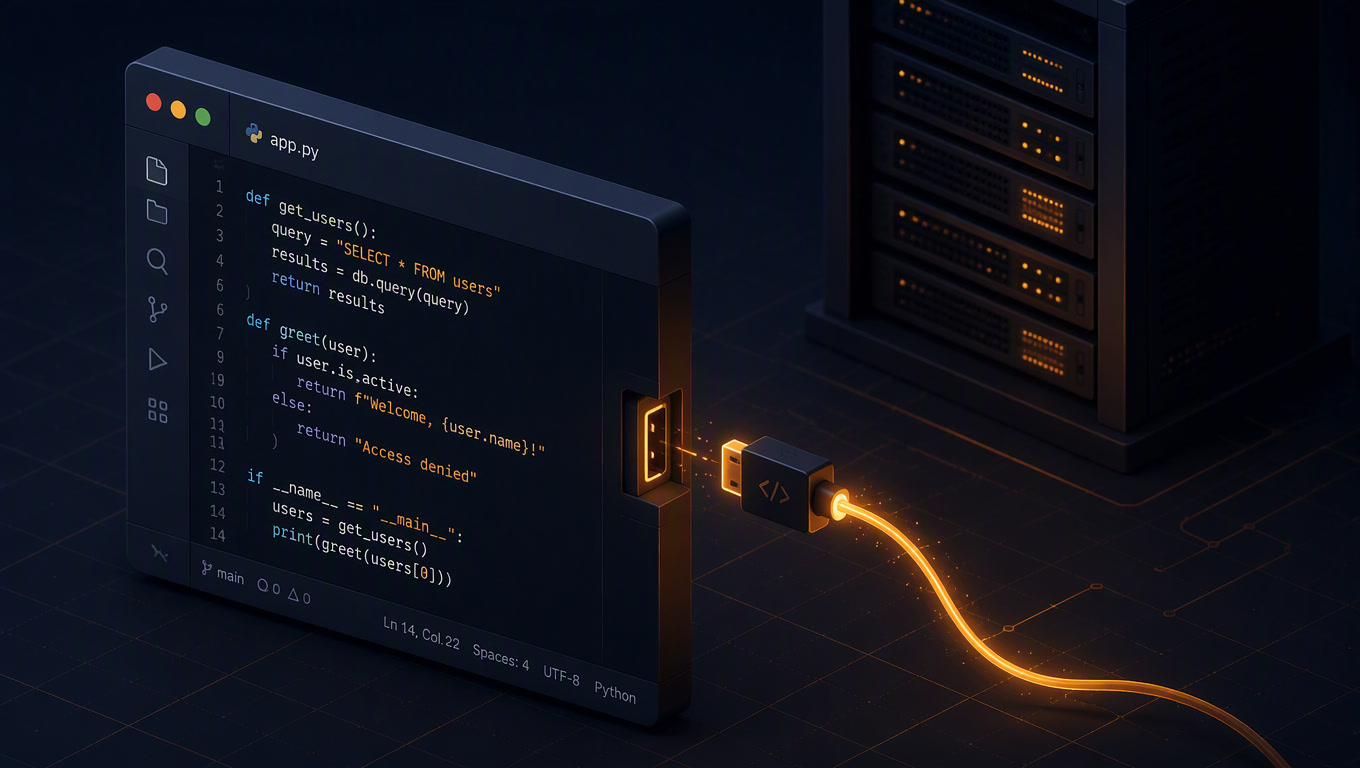
Cursor loses OpenAI models on November 12: the migration plan for your development stack
On August 28, OpenAI notified SpaceX it will wind down the contract providing OpenAI models to Cursor, with a proposed November 12, 2026 shutoff. This is the concrete plan to audit your stack, separate bundled access from your own API keys, and migrate without stalling production.

Chrome's two-week release cycle is here: what actually changes for your team
Starting September 8, 2026, Chrome ships a stable release every two weeks instead of every four, and the Chrome 153 beta already went out on the new calendar. Here's what changes in practice for dev teams and agencies — and what doesn't need to change at all.

Next.js Patches Now Come on a Schedule: The Upgrade Runbook We Use
Next.js ships 16.3.3 and 15.5.24 on August 26, 2026 to fix a critical-severity vulnerability. Vercel formalized scheduled security releases in July — we now treat patches as calendar events. A 24-hour runbook with inventory, staging, smoke tests, and rollback criteria.
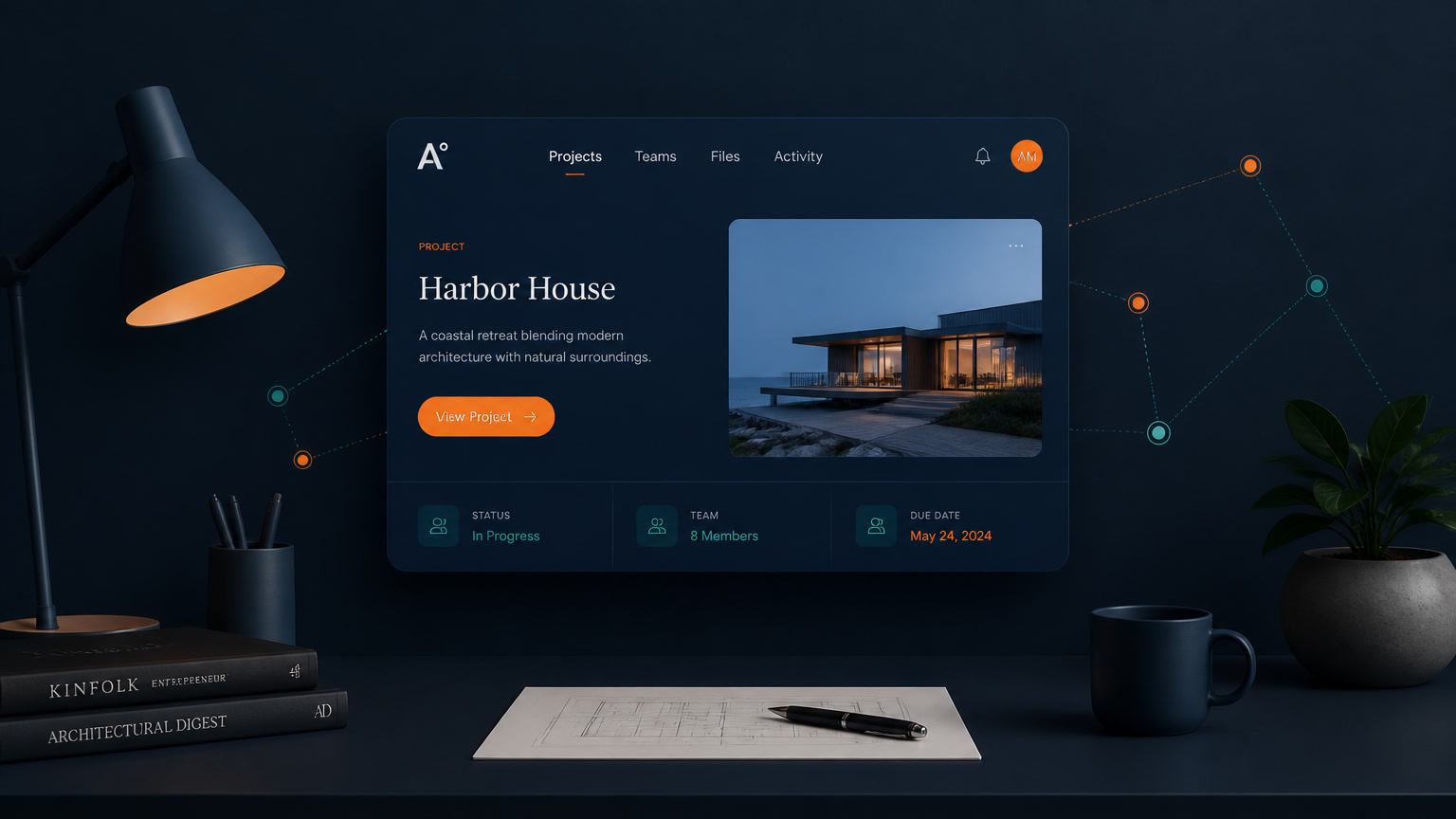
Give Every Astro Island a Hydration Contract
An island should not exist merely because a component can use JavaScript. At Mintec, every interactive component gets a hydration contract: trigger, budget, fallback, and owner before it earns client:load.

Trusted Types Is Baseline: the frontend guardrail you need before innerHTML
Trusted Types is now Baseline newly available. Use it to make CMS previews, rich text, and third-party widgets a small, reviewable boundary in Astro and Next.js projects.
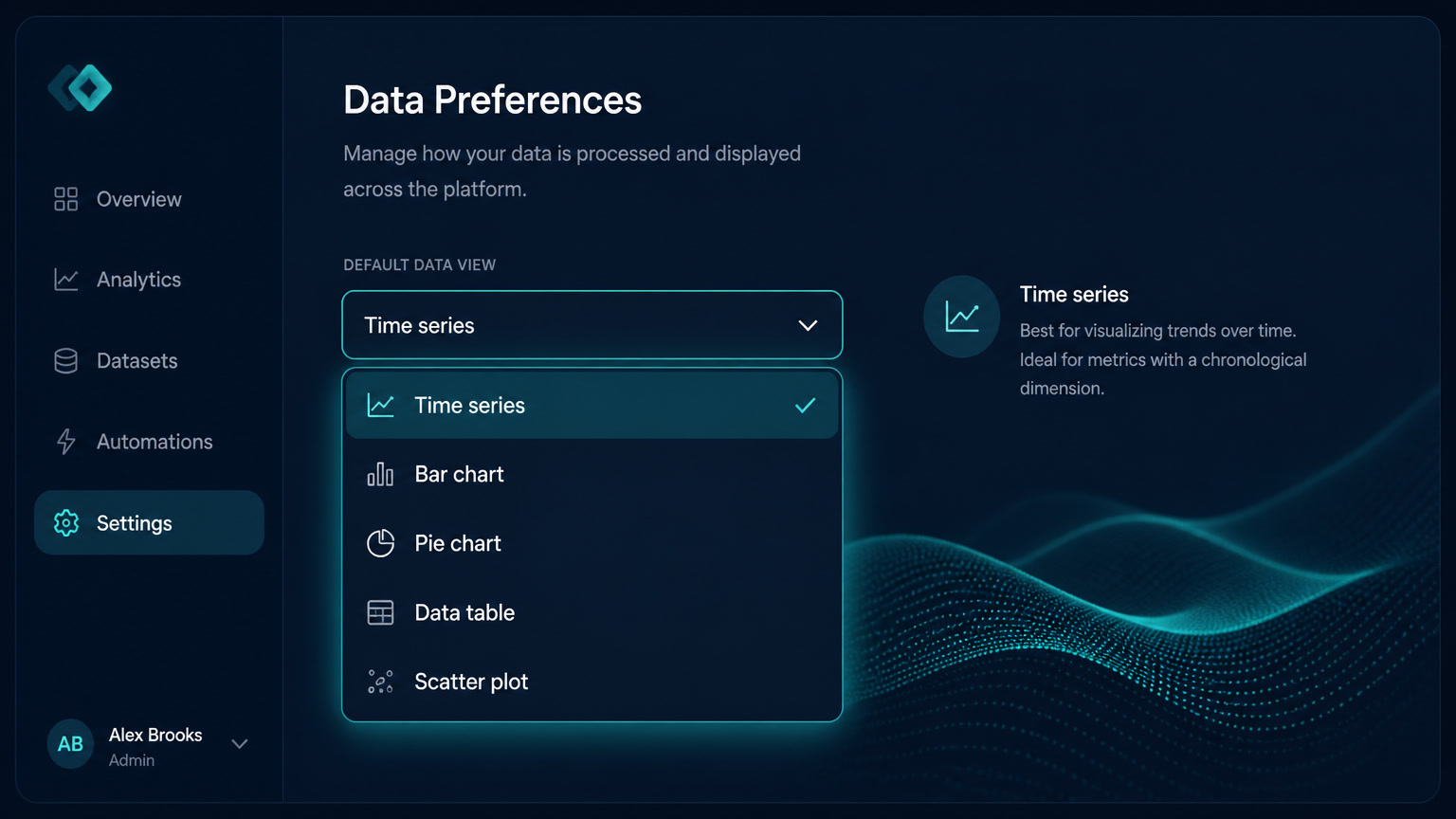
Customizable selects change the system decision, not the accessibility work
Modern browsers can now style parts of a native select that used to force teams into custom widgets. Mintec's decision framework keeps the native control as the default, uses progressive enhancement deliberately, and reserves custom components for behavior the platform cannot provide.

The Back Button Is Also a Performance Test for Video Pages
A video page can load fast and still feel slow on return. Mintec's framework for protecting bfcache, state, and controls in Astro.

Declarative Shadow DOM Is Finally Baseline: Server-Rendered Components Without a Line of Client JS
Declarative Shadow DOM hit Baseline 'widely available' in August 2026 — web components can now ship with their shadow root already attached in the HTML. How Mintec uses it on Astro projects, and the view-transitions edge case nobody demos.
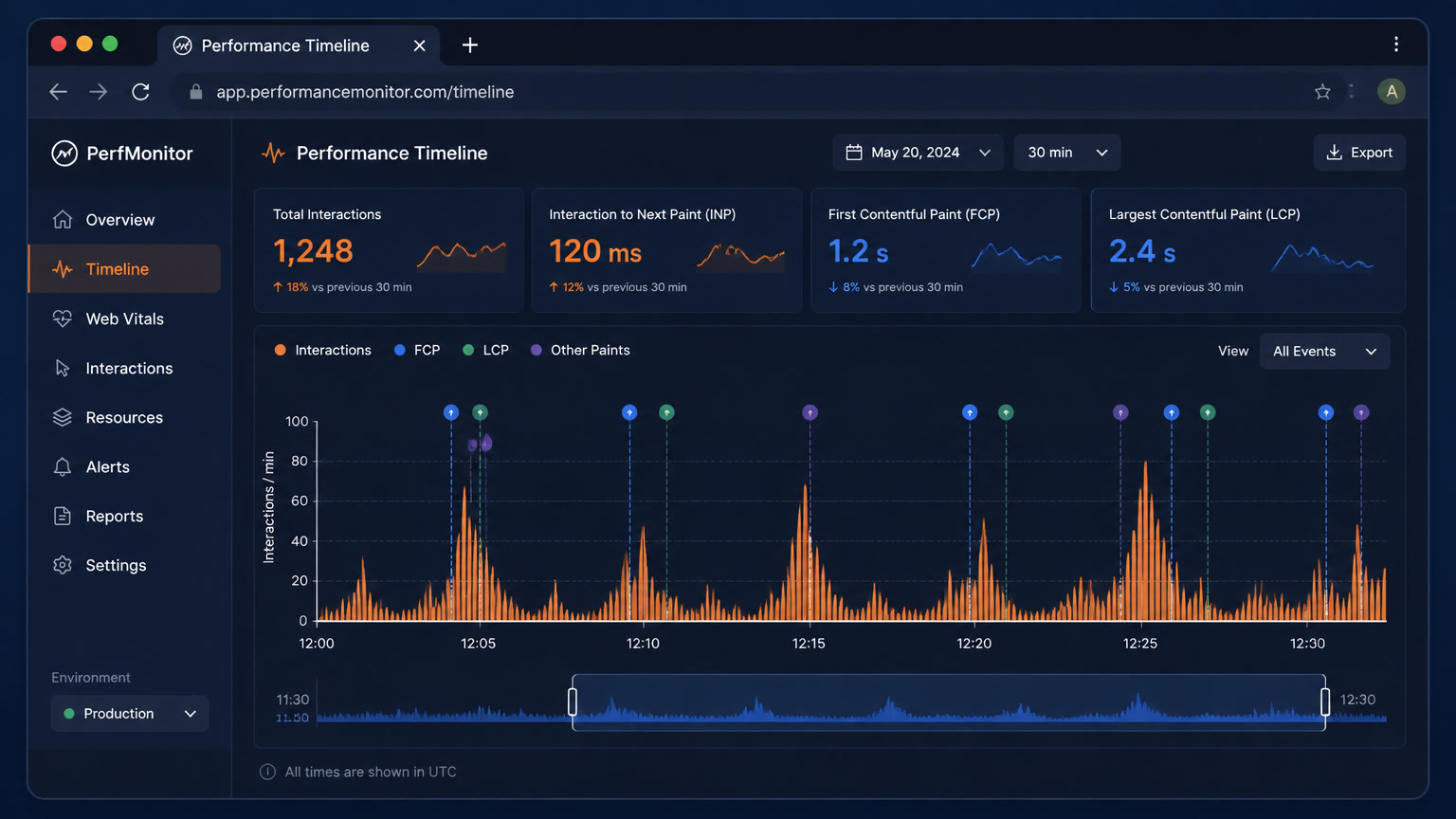
Interaction Contentful Paint: Finally Measuring What Happens Inside a SPA
Chrome 151 (July 2026) shipped two performance entries — interaction-contentful-paint and soft-navigation — that close the SPA blind spot. Here's how we use them at Mintec to attribute INP and LCP to specific routes.

Cloudflare Turned On Node.js for Every Worker: What Changes, What Breaks, How to Opt Out
Since August 4, 2026, every Cloudflare Worker with a compatibility date of 2026-08-04 or later has Node.js (nodejs_compat and nodejs_compat_v2) enabled by default. Here's what really changed, the process.env trap with older wrangler versions, and how to disable it with the no_nodejs_compat flags.

Firefox Drops Its Monthly Release Cycle: How the Two-Week Cadence Changes Your Compatibility Strategy
Firefox 154 (August 18, 2026) is the last monthly release: Mozilla moves to a two-week cycle starting September 1, matching Chrome (March 2026) and Edge 152 (August 27). Browser version numbers stop being a useful compatibility signal — here is the three-layer framework Mintec uses to test production sites when every major engine ships every two weeks.
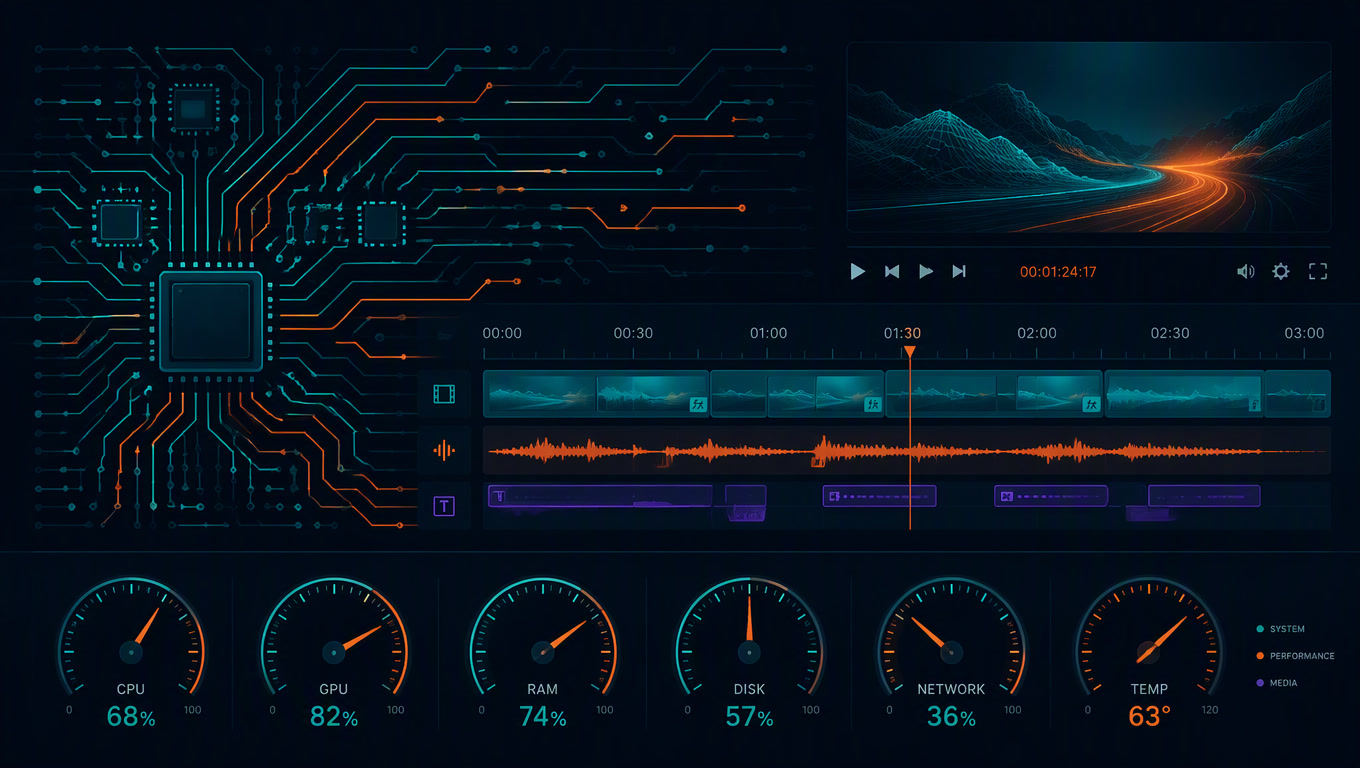
navigator.cpuPerformance: The Browser Finally Knows How Fast Your User's Device Is (and It Changes How We Serve Video)
Chrome 152 ships the CPU Performance API: navigator.cpuPerformance exposes a device tier from 1 to 4 (0 when unknown) without the fingerprinting baggage of hardwareConcurrency. At Mintec we use it to decide which video quality, effects, and WebGPU workloads each visitor gets — here is the four-tier framework we apply on media-heavy sites.

The EU AI Act Is Now Enforceable: Why Accessibility Became an AI Compliance Issue
On August 2, 2026, the EU AI Act's general application phase went live: market surveillance authorities across member states now have enforcement powers, and web accessibility is officially wired into AI compliance. Here's what applies today, what got deferred, and the checklist we use at Mintec to audit AI-powered sites.
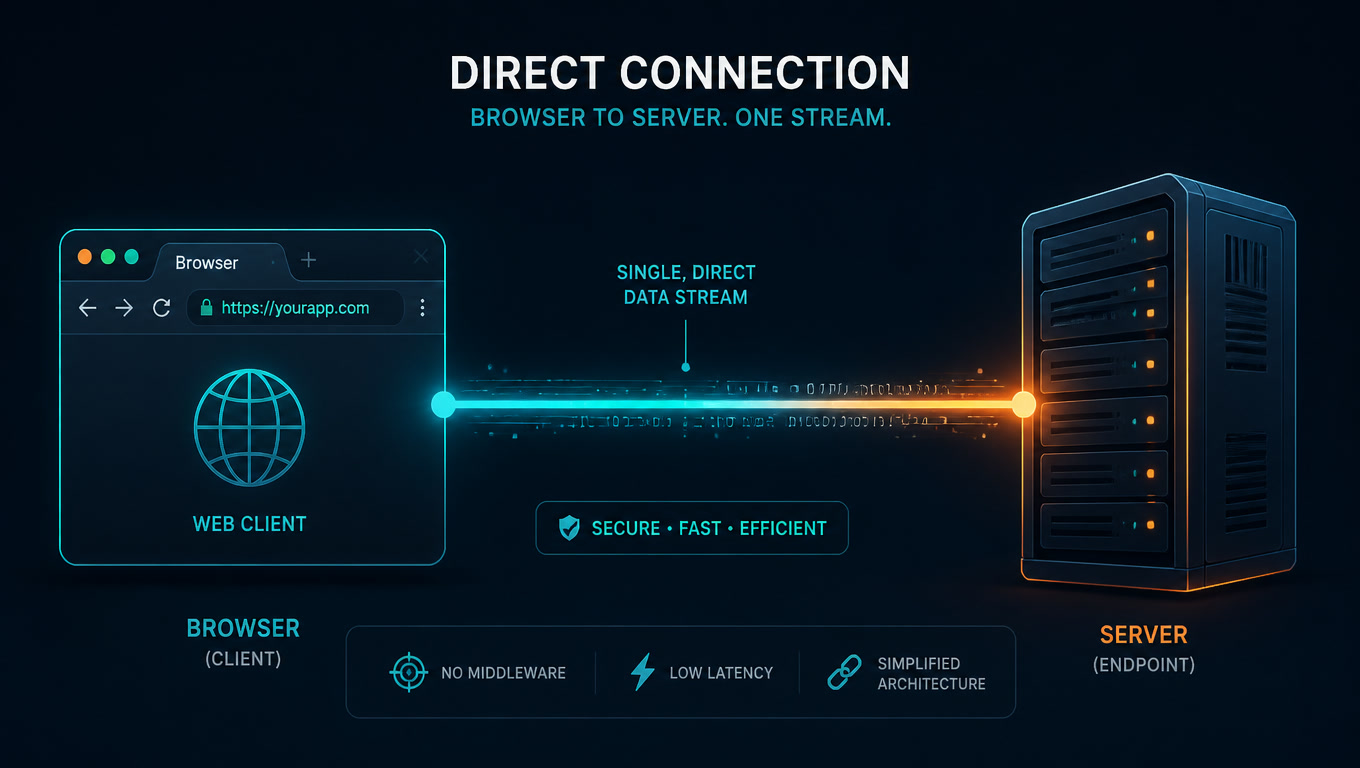
SvelteKit 3 Remote Functions: Is the REST API Layer Dead (and When It Doesn't Matter)
SvelteKit 3 is in preview with remote functions: end-to-end typed RPC that replaces API routes for full-stack apps. We break down when RPC-first architecture beats Astro + headless CMS and when it doesn't, with a decision framework from real client projects.
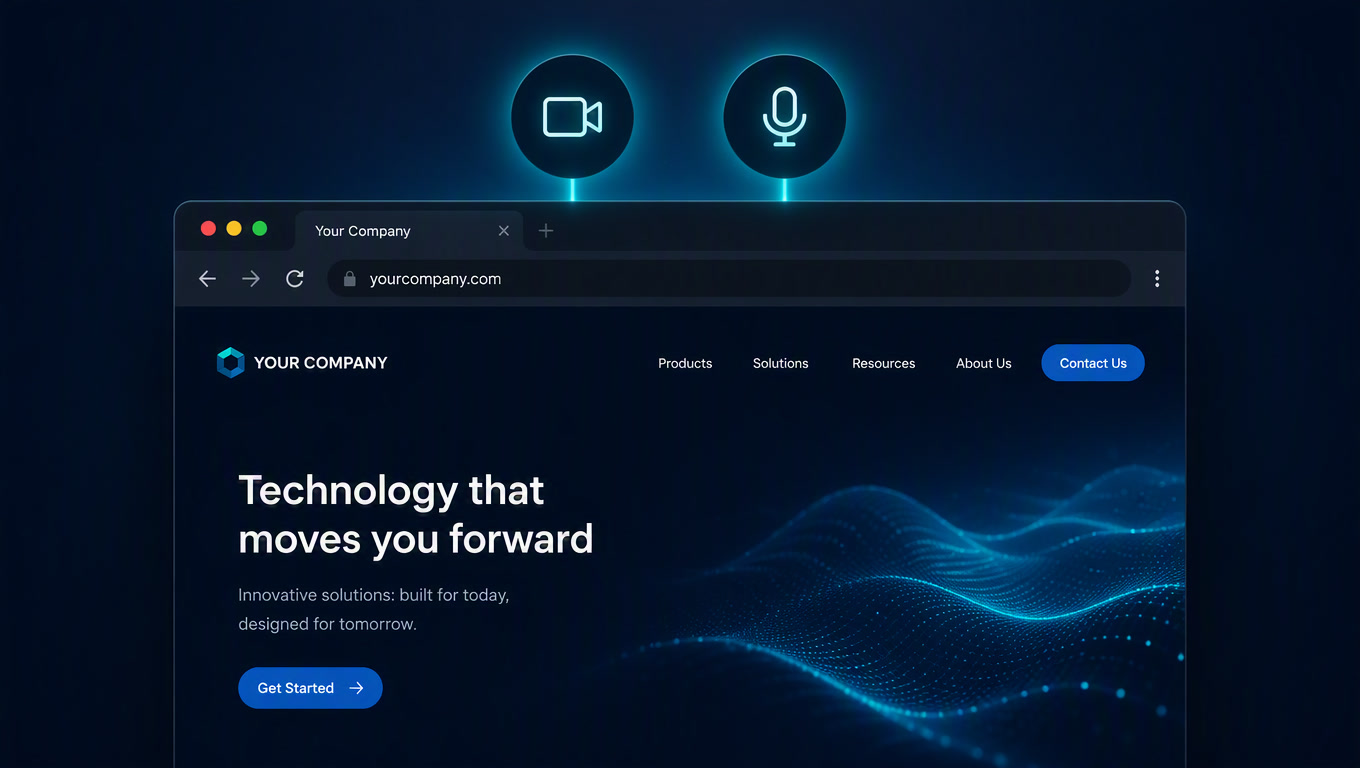
The <usermedia> HTML element: goodbye to the camera and microphone permission hole
Chrome 151 shipped <usermedia>, the HTML element that handles camera and microphone permission for you: the browser owns the prompt, manages recovery after denial, and delivers the MediaStream directly. Origin Trial data from Cisco, Zoom, and Google Meet shows permission recovery jumping from ~10% to 65%+, and this article shows how to migrate your capture flow with progressive enhancement.

Astro 6.4's Sätteri: The Rust Markdown Processor That Cuts Build Times — and What You Give Up
Sätteri is Astro 6.4's opt-in Rust Markdown/MDX processor that shaved over a minute off Astro's own documentation builds — but it does not run remark or rehype plugins. We evaluated it for mintec.co, a bilingual site with more than 750 content files, and concluded the new pluggable markdown.processor API matters more than the speedup itself.

CSS shape(): responsive clipping without fixed coordinates (goodbye path() and fragile SVG masks)
shape() is the new CSS clip-path function that accepts complex curves with real CSS units: percentages, rem, calc(), and even mixed units that keep a curve's thickness constant while the shape scales. It hit Baseline in February 2026 (Chrome 135+, Safari 18.4+, Firefox). Here's what changes for organic image and video crops, with the decision framework we use on Mintec projects.
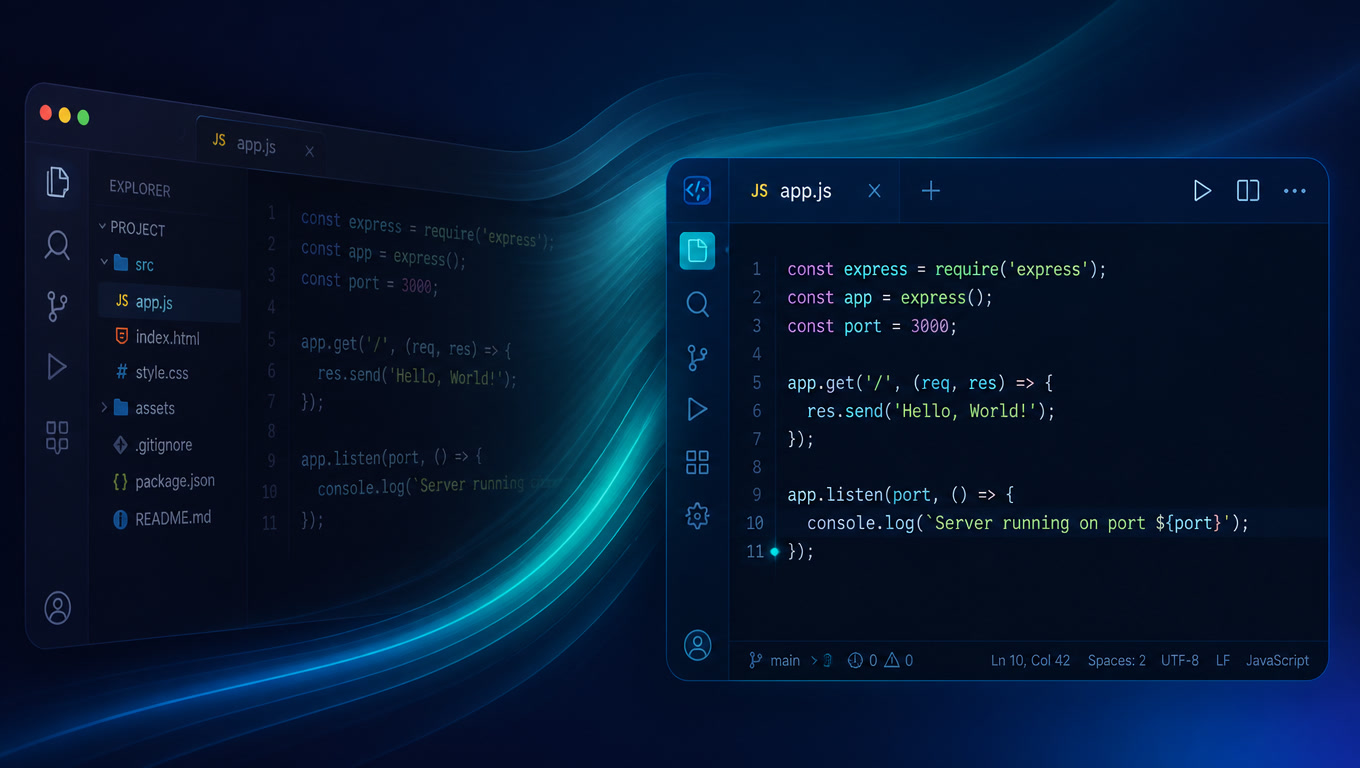
CSS @starting-style: The Property That Finally Lets You Animate display:none
For decades, animating an element with display:none required JavaScript hacks. The @starting-style rule paired with transition-behavior: allow-discrete removes that limitation — and it works in every browser. Here's how to use it with real examples and the pitfalls to avoid.
:playing and :paused are here: the end of player-state JavaScript
CSS media pseudo-classes (:playing, :paused, :seeking, :buffering, :muted) have shipped in Safari and Firefox since 2025, and Chrome/Edge are implementing them in 2026 as an Interop 2026 focus area. Here's how we removed the entire state layer from a custom video player — 250 lines of JavaScript that no longer need to exist.

contrast-color() and reading-flow: the 2026 CSS that automates the accessibility fixes we do by hand
In the accessibility audits Mintec runs for clients, two manual fixes show up in almost every project: hardcoded color pairs to pass WCAG AA contrast, and manual reordering of reading order in flex and grid layouts. Both now have native CSS solutions: contrast-color() and reading-flow. Real-world analysis with browser support, first-hand cases, and a migration framework.
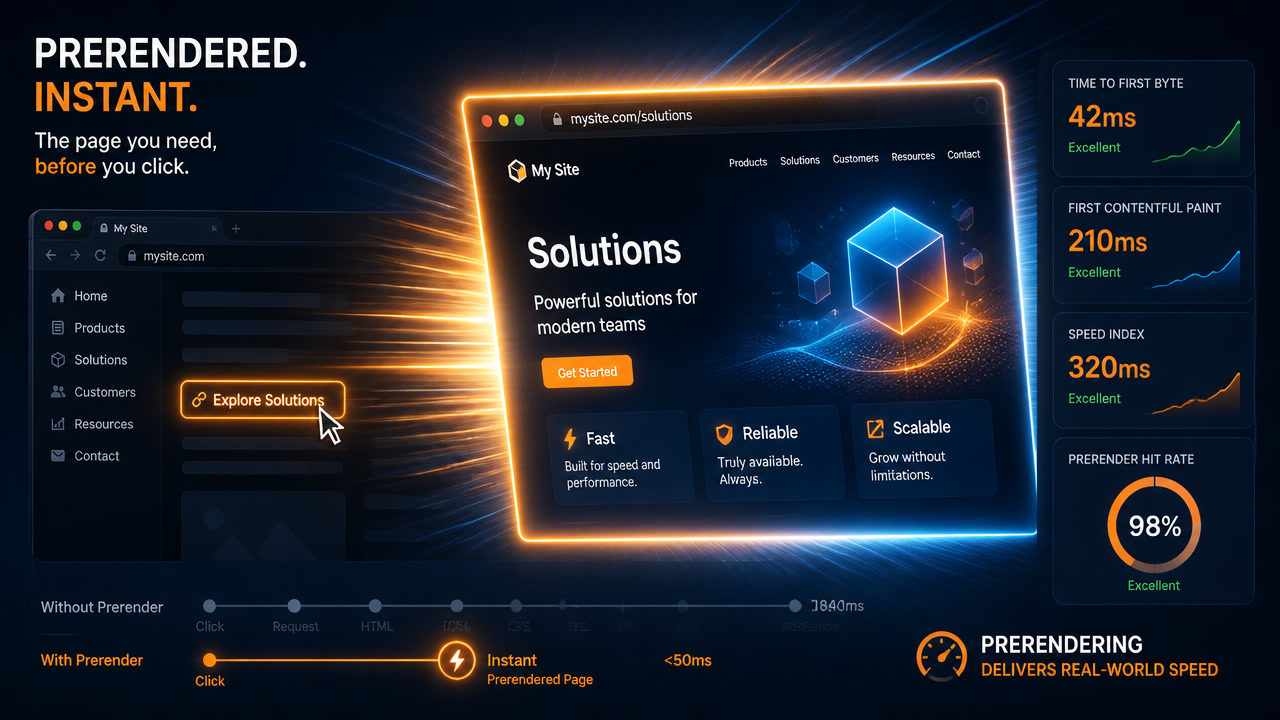
Speculation Rules API: Instant Navigation for Multi-Page Sites Without JavaScript Frameworks
The Speculation Rules API lets browsers prerender pages before users click, delivering near-instant navigation without SPA frameworks. Practical implementation guide with Astro 6 and real performance data from Mintec projects.
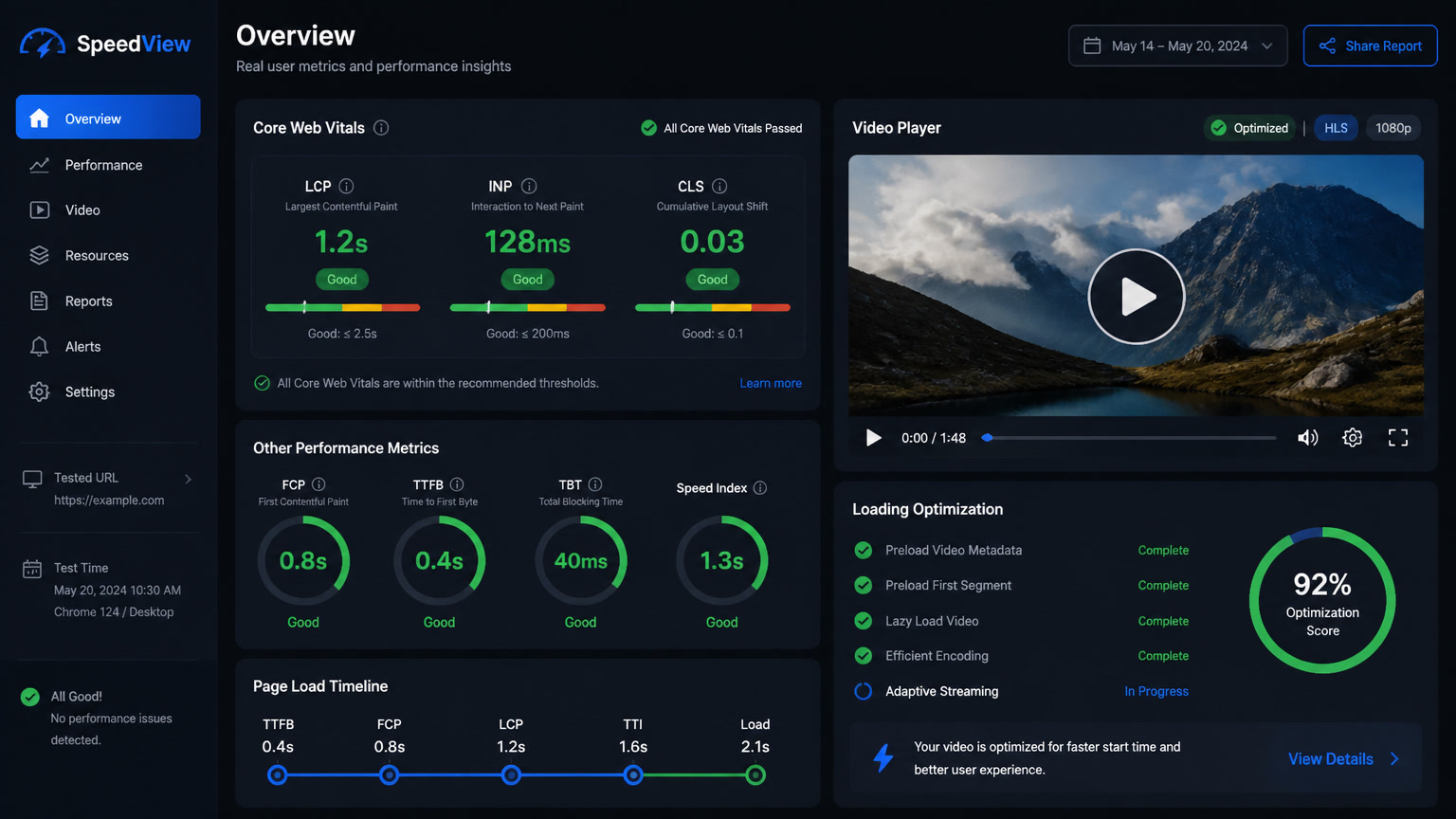
Performance Budgeting for Media-Heavy Sites: Keeping Core Web Vitals Green When Every Page Has Video
Media-heavy sites (video backgrounds, product demos, AI-generated content) are notoriously hard to optimize. Here's the performance budgeting framework we use at Mintec to keep LCP under 2.5s and INP under 200ms — with real Lighthouse data, lazy-loading strategies, and a decision tree for streaming vs. progressive delivery.

Web Codecs API: Browser-Native Video Processing for Thumbnails and Previews in 2026
Web Codecs reached production maturity — and WordPress 7.1 just shipped client-side media processing as a core feature. Here's how we replaced a server-side thumbnail generation pipeline with 100% browser-based processing, with real performance metrics and a decision framework.
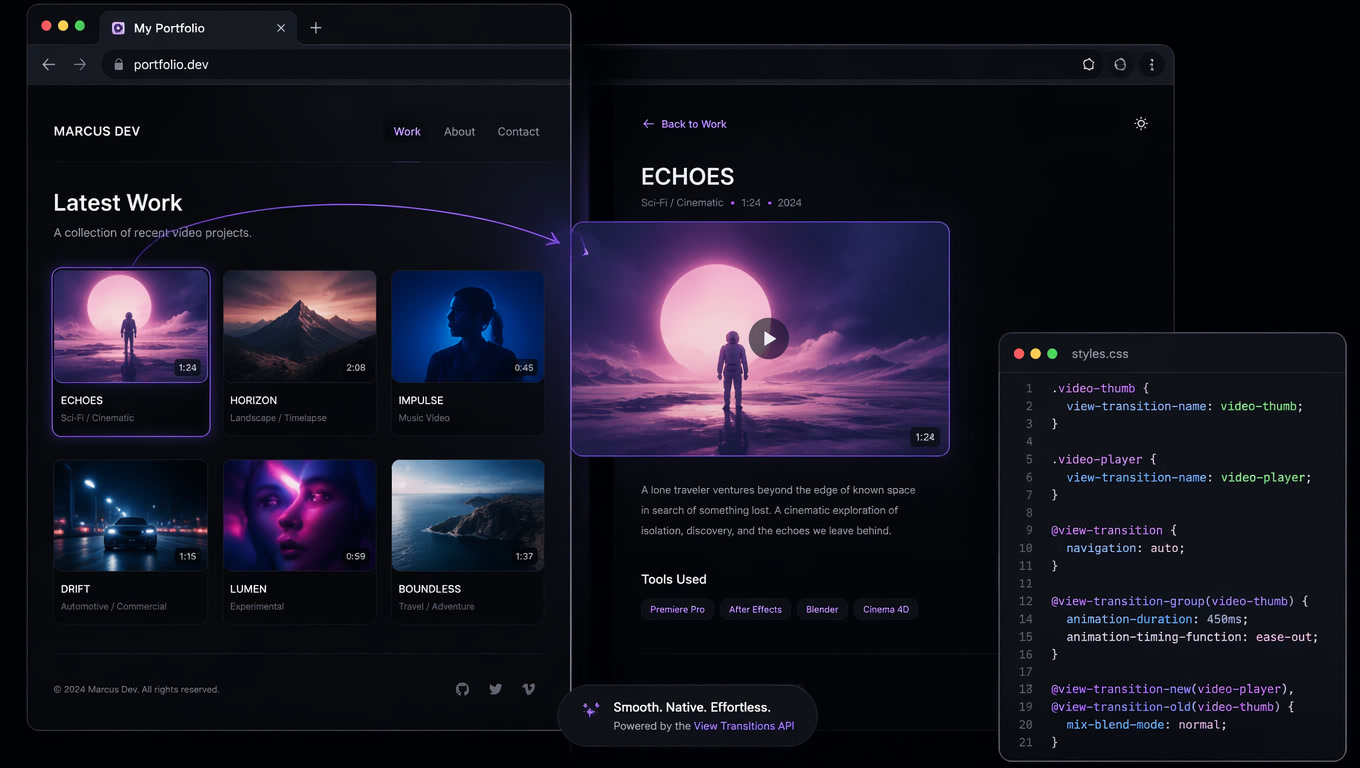
The Platform Catches Up: What We Learned Replacing Framer Motion With Native Browser APIs
The View Transitions API, Speculation Rules API, and CSS scroll-driven animations are mature enough in 2026 to replace 80% of what teams use JS animation libraries for. We migrated a media portfolio site from Framer Motion to native APIs — here's what we gained, what we lost, and the decision framework we'd use again.
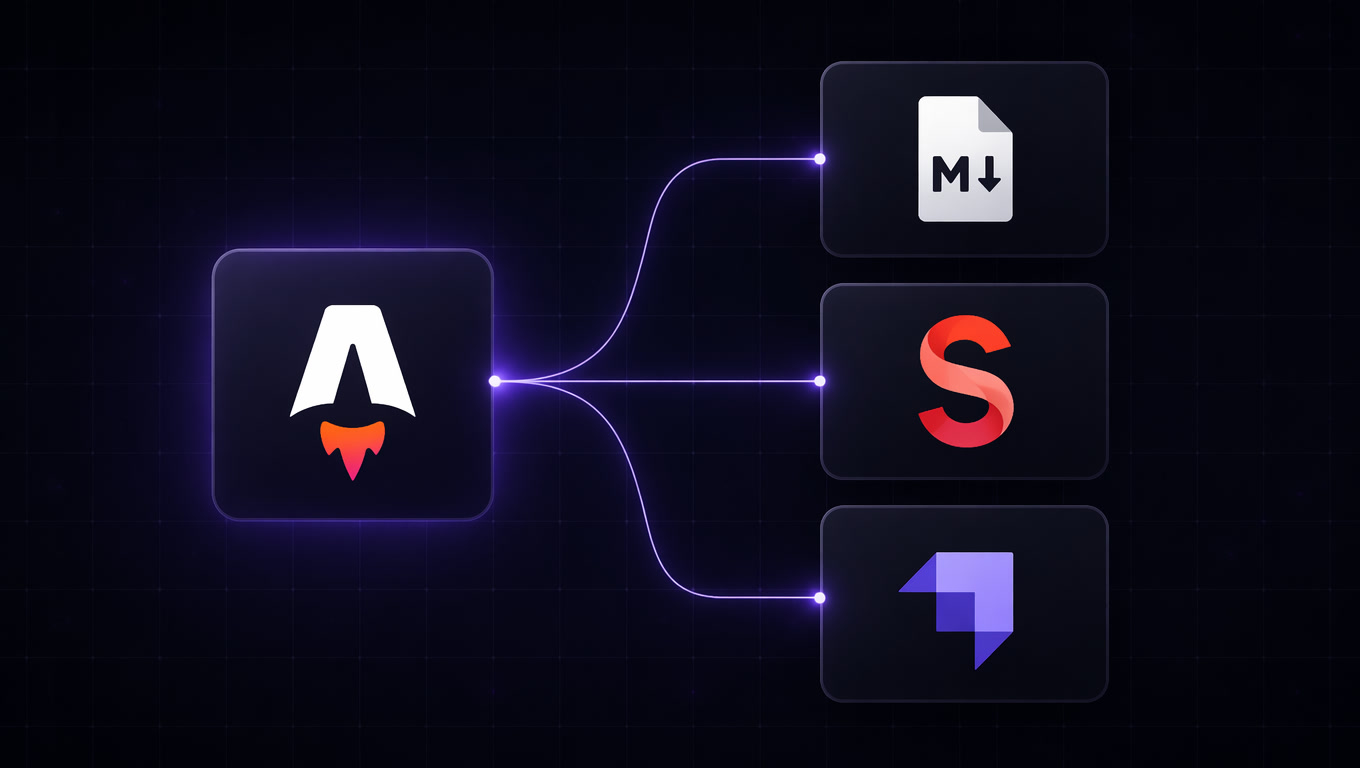
Headless CMS with Astro? First Ask If You Actually Need One
Astro ships with Content Collections — type-safe, zero-dependency content management built into the framework. You don't need a headless CMS for most projects. But when you do, picking the wrong content backend costs you time, money, and editorial velocity. This article documents the decision framework we use at Mintec to know when to add a headless CMS and which one fits each project profile.
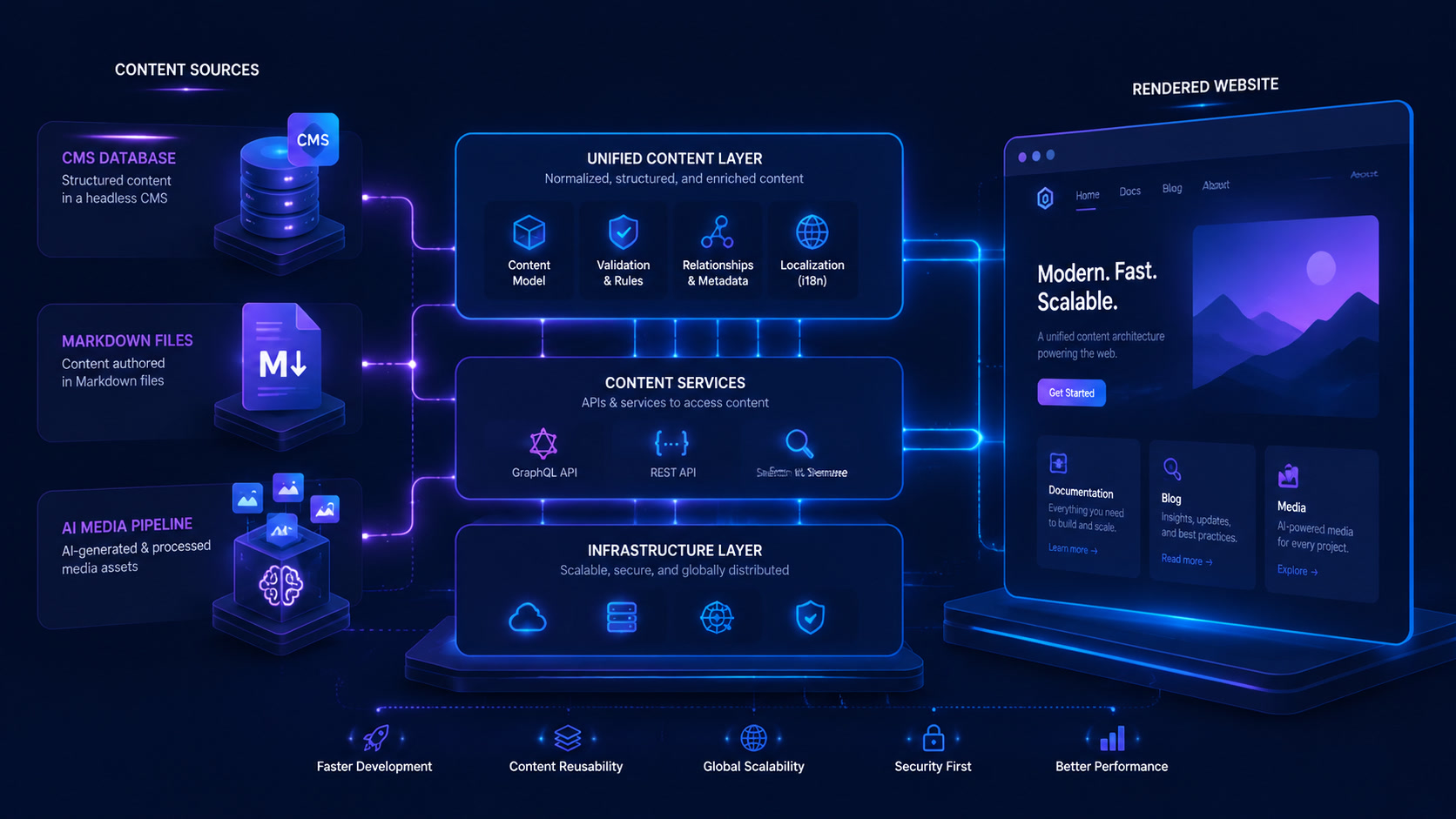
Multi-Source Content Layers in Astro 7: Unifying Headless CMS, Local Markdown, and AI-Generated Media
Most modern websites need more than one content source: a visual CMS for editors, version-controlled markdown for developers, and a media API for AI-generated assets. Here's how to use Astro 7's Content Layer to unify everything without sacrificing performance — with real implementation cases and a decision framework.
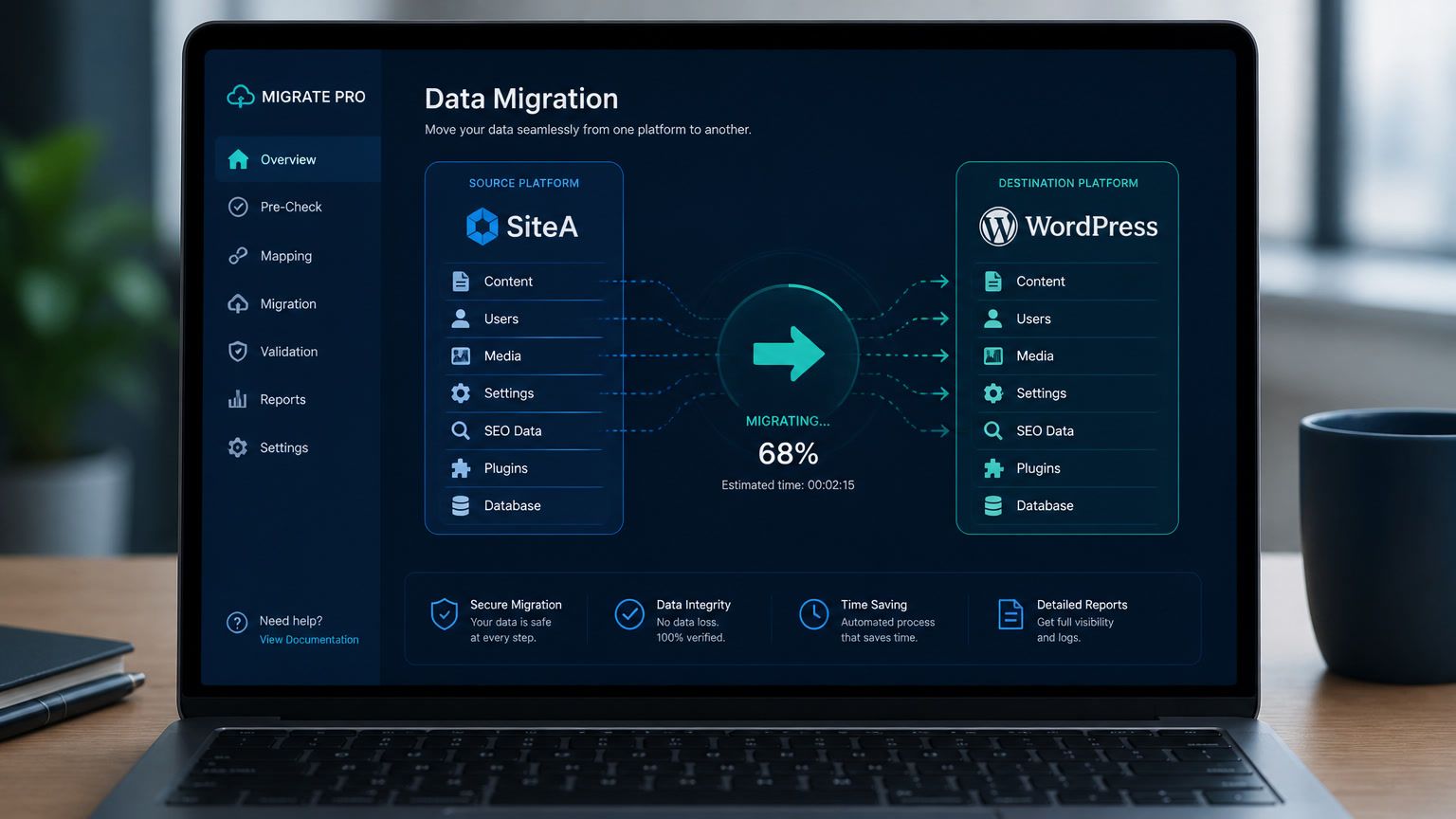
From WordPress to Astro 6: 5 Mistakes That Cost Us 5 Extra Days on a 2,500-Page Migration
Migrating 2,500+ pages from WordPress to Astro 6 in three languages took 8 days just for content — not the 3 we budgeted. This article documents each specific mistake, the real time cost, and the decision framework we now use to avoid repeating them.
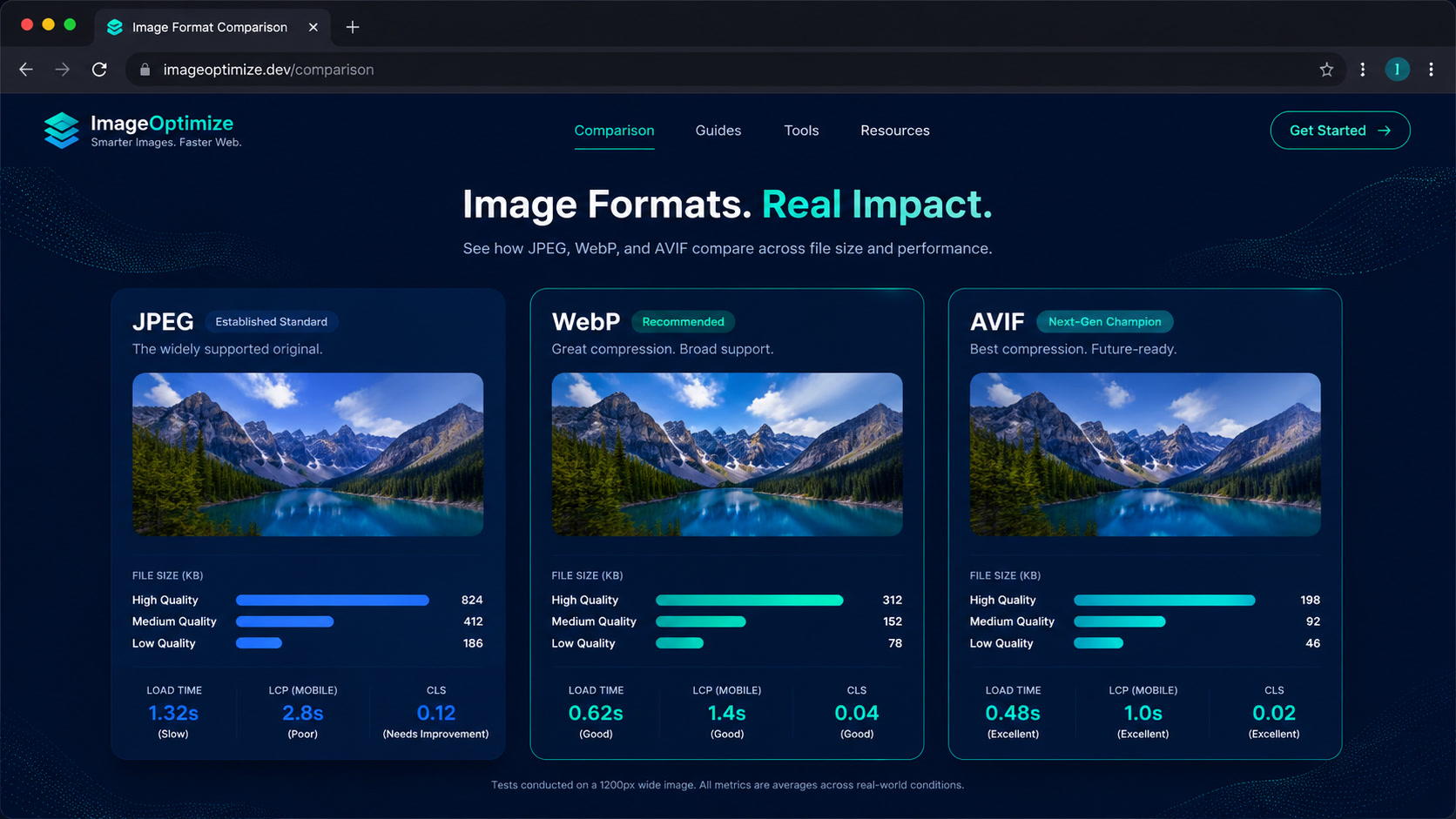
From JPEG to AVIF on Astro: Real Bandwidth Savings and LCP Improvement from 3 Migrations
AVIF now supports 95% of browsers in 2026. We migrated 3 Astro + Cloudflare client sites from JPEG/PNG to AVIF/WebP. Here are the real bandwidth numbers, LCP improvements, and the decision framework we used.
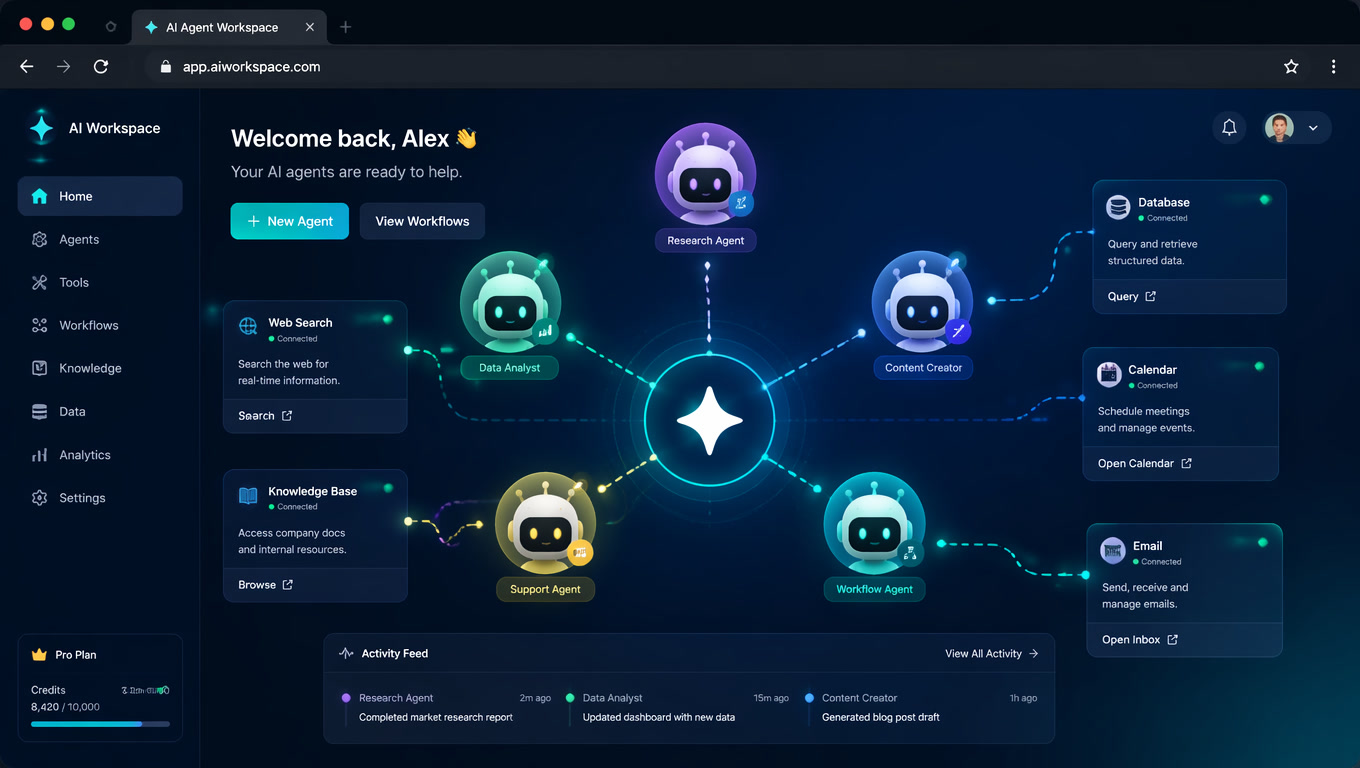
WebMCP Is Live in Chrome 149 — What It Means for Your Website Architecture
Chrome's WebMCP Origin Trial lets websites expose structured tools to browser-based AI agents. This shifts web architecture from a two-surface model (human UI + APIs) to a three-surface model. Here's what changes for your development roadmap, form strategy, and security posture — with real implementation patterns from our testing.
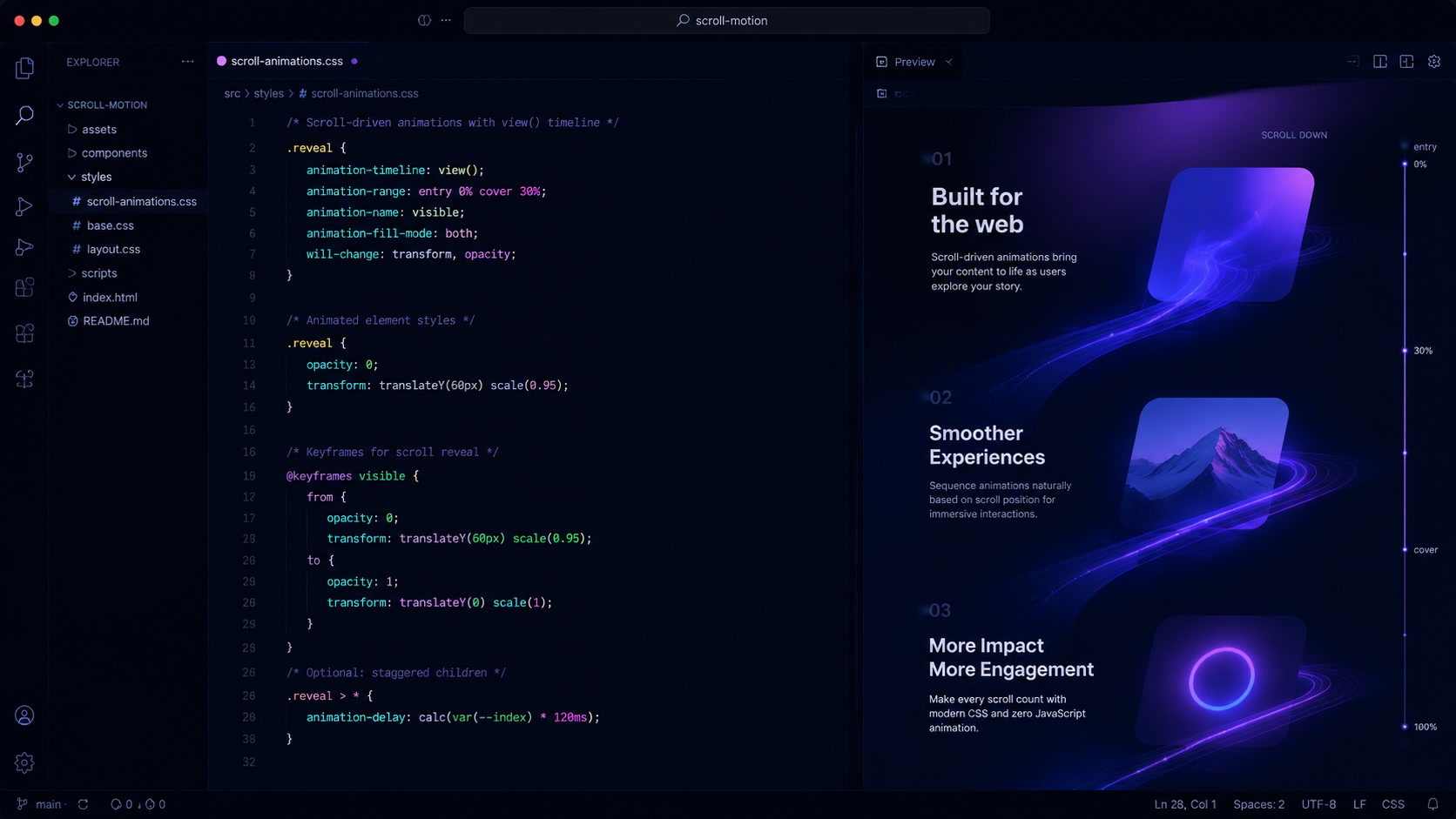
Scroll-Driven Animations and View Transitions: Native CSS That Replaces GSAP and Framer Motion
animation-timeline, scroll(), view() and cross-document View Transitions are now fully cross-browser in 2026. We measure the real INP impact, JS bundle savings, and share a decision framework for when to use native CSS vs libraries in production.
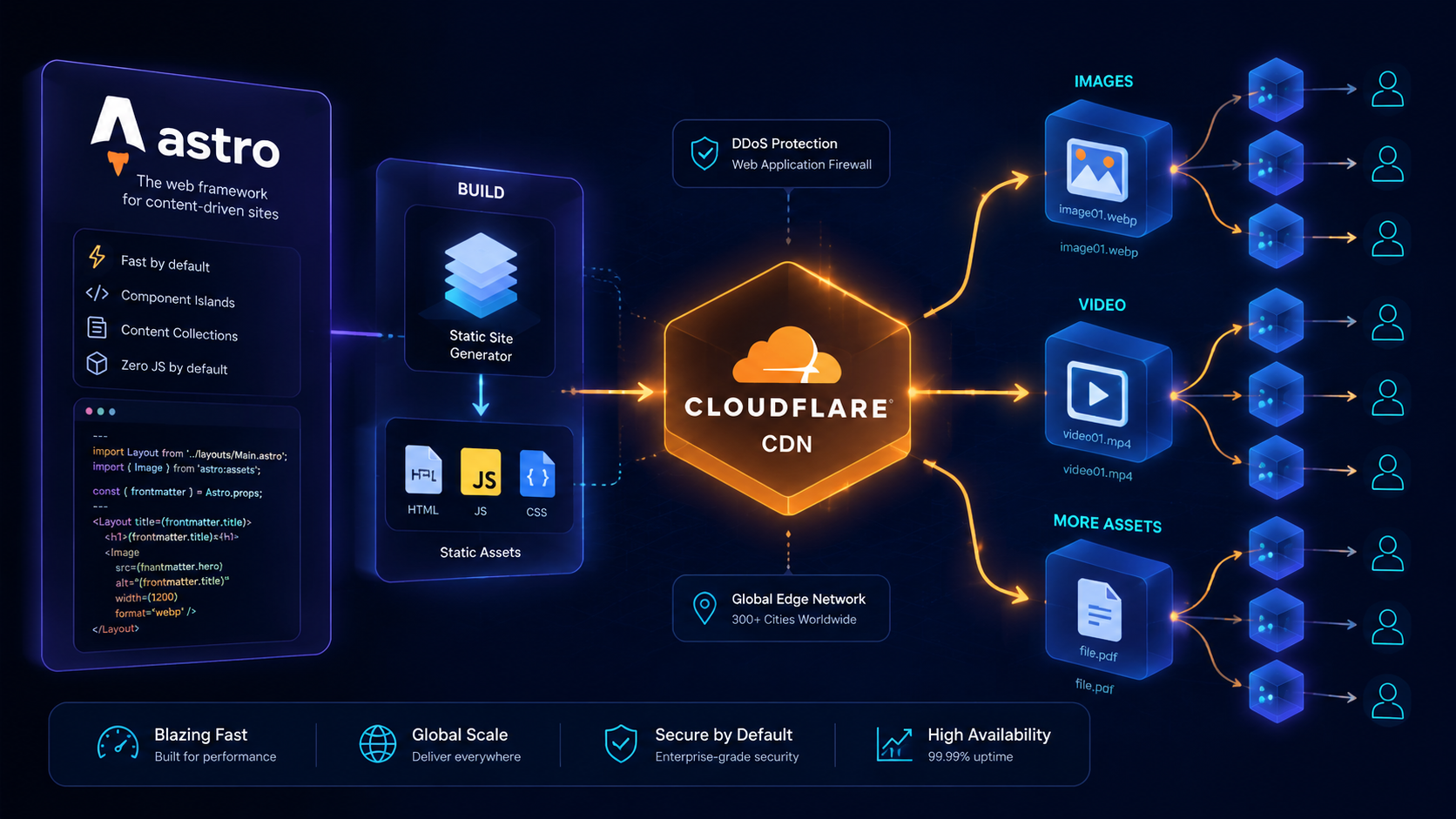
How Astro Handles Heavy Media Content: Production Strategies That Actually Work
Astro ships fast sites by default — until you drop 40 images and 3 videos on a page. Here is exactly what we learned building and migrating four production sites across Astro 6 and 7.
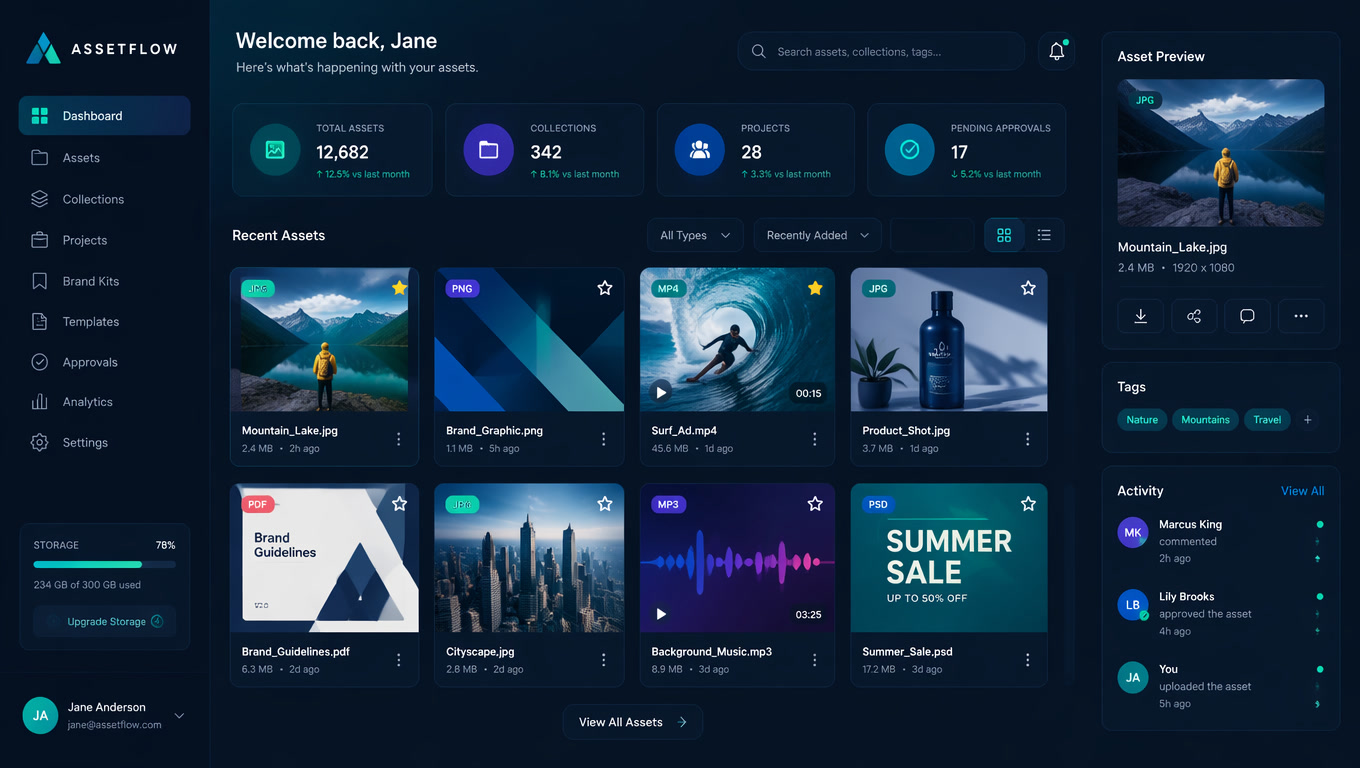
Strapi vs Sanity for Media-Heavy Sites: What We Learned from Real Projects
A head-to-head comparison of Strapi and Sanity from Mintec's direct project experience with media-heavy sites: AI-generated images, multi-resolution video, and large asset libraries. Decision framework, real cost data, and when to choose each.

From AI to Browser: A Production Pipeline for AI-Generated Website Media
AI-generated images come out of the model as 2-3MB PNGs. Without a generation, optimization, and delivery pipeline, they destroy your LCP. Here is how we built ours at Mintec.
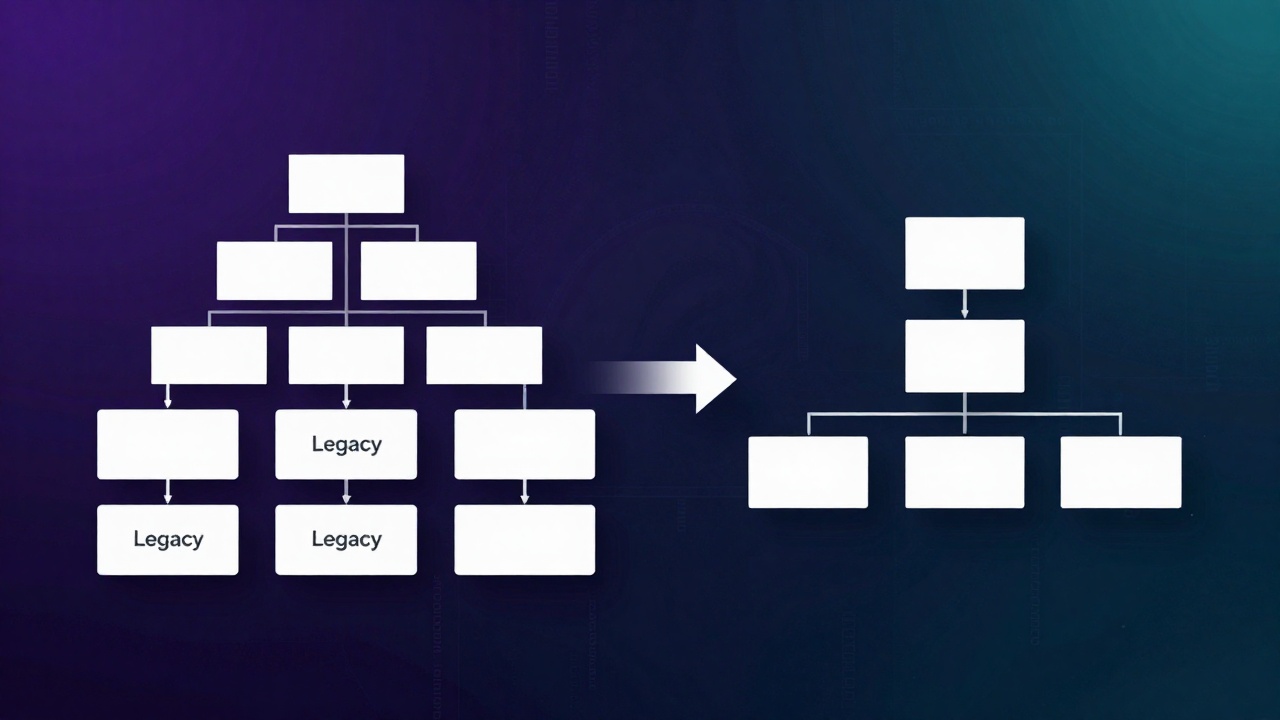
From Next.js to Astro + Cloudflare Pages: Our Migration Story and Real Performance Numbers
We migrated mintec.co from Next.js on Vercel to Astro on Cloudflare Pages. The real numbers: 94% less JavaScript, 0.8s First Contentful Paint, 3x faster builds, and $49/month saved in hosting costs. Here's what we learned and how to decide if your project should follow suit.
View Transitions API in Production: Patterns Beyond the Demo
A production guide to the View Transitions API with real patterns: cross-document navigation, element matching, fallback strategies, performance implications, and what we learned implementing it on production projects.
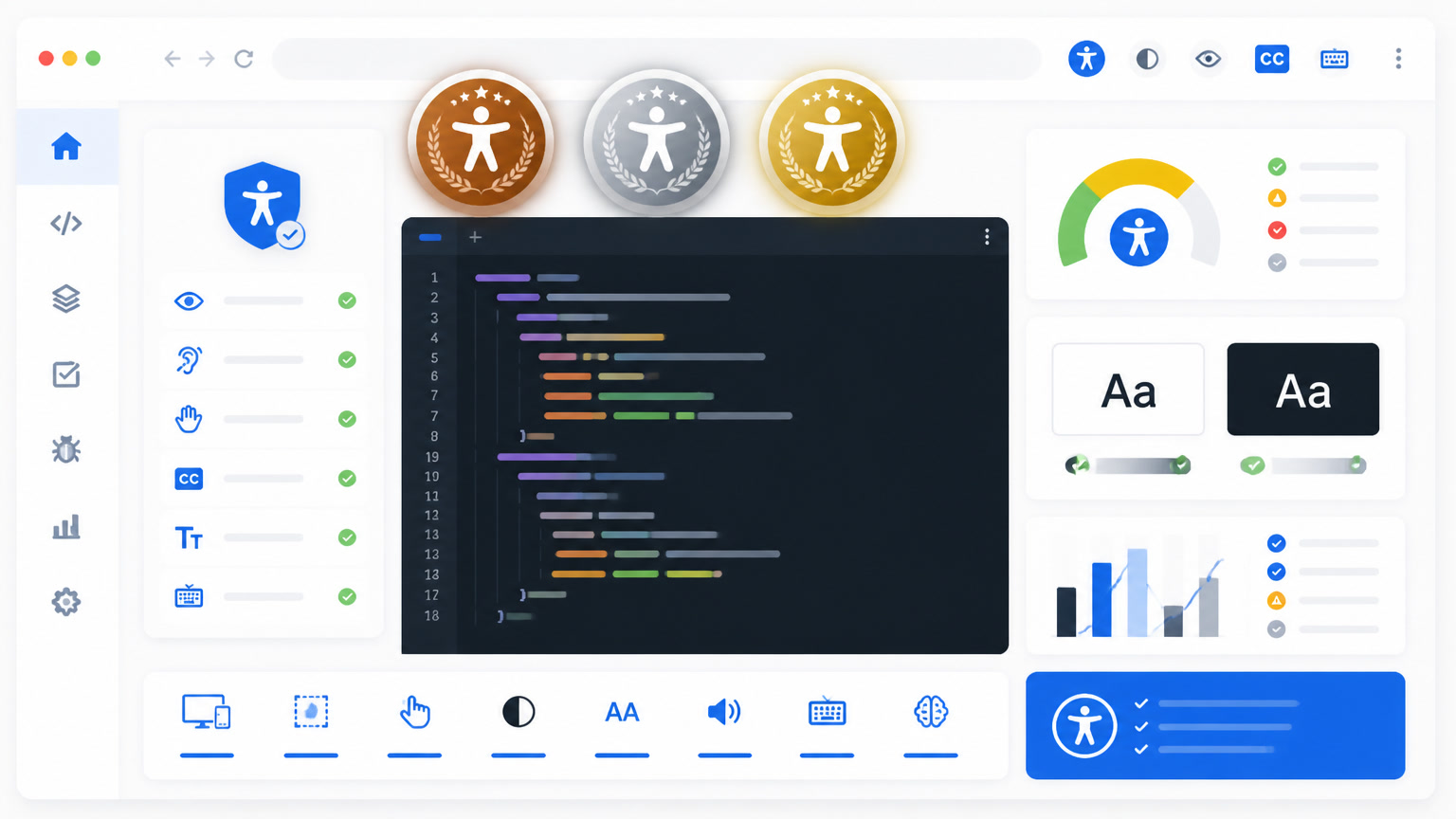
WCAG 3.0 Is Here in Draft: What It Changes for Web Developers and How to Prepare Now
WCAG 3.0 introduces a completely new conformance model — Bronze, Silver, and Gold levels instead of A/AA/AAA, an Advanced Perceptual Contrast Algorithm (APCA) that breaks with the 4.5:1 ratio, and over 174 outcomes with a graduated 0-4 score instead of pass/fail. This is what it actually means for your engineering team and how to prepare without overreacting.
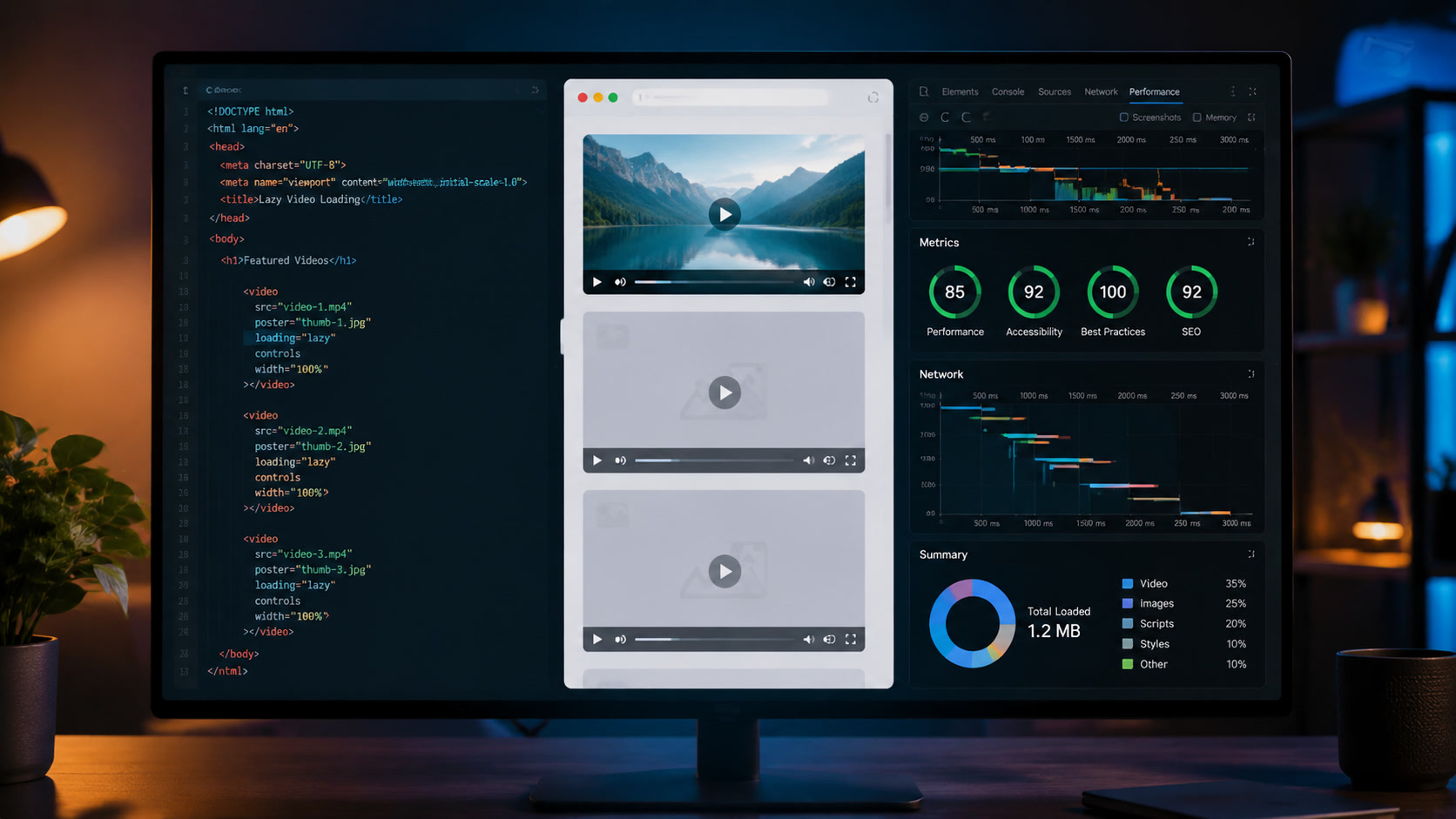
Native Video and Audio Lazy Loading in 2026: How loading='lazy' Works Cross-Browser
The loading='lazy' attribute for video and audio elements is now supported across Chrome, Edge, Firefox, and Safari. Here's how to implement it, the real Core Web Vitals impact, and why it replaces every JavaScript-based lazy loading solution.

Synthetic Media, Real Accessibility Gaps: How to Audit AI-Generated Content for WCAG 2.2 Compliance
As brands flood their sites with AI-generated video, images, and audio, they're quietly accumulating serious accessibility debt. Here's a four-step framework for auditing and fixing synthetic media compliance, built from real client work at Mintec.
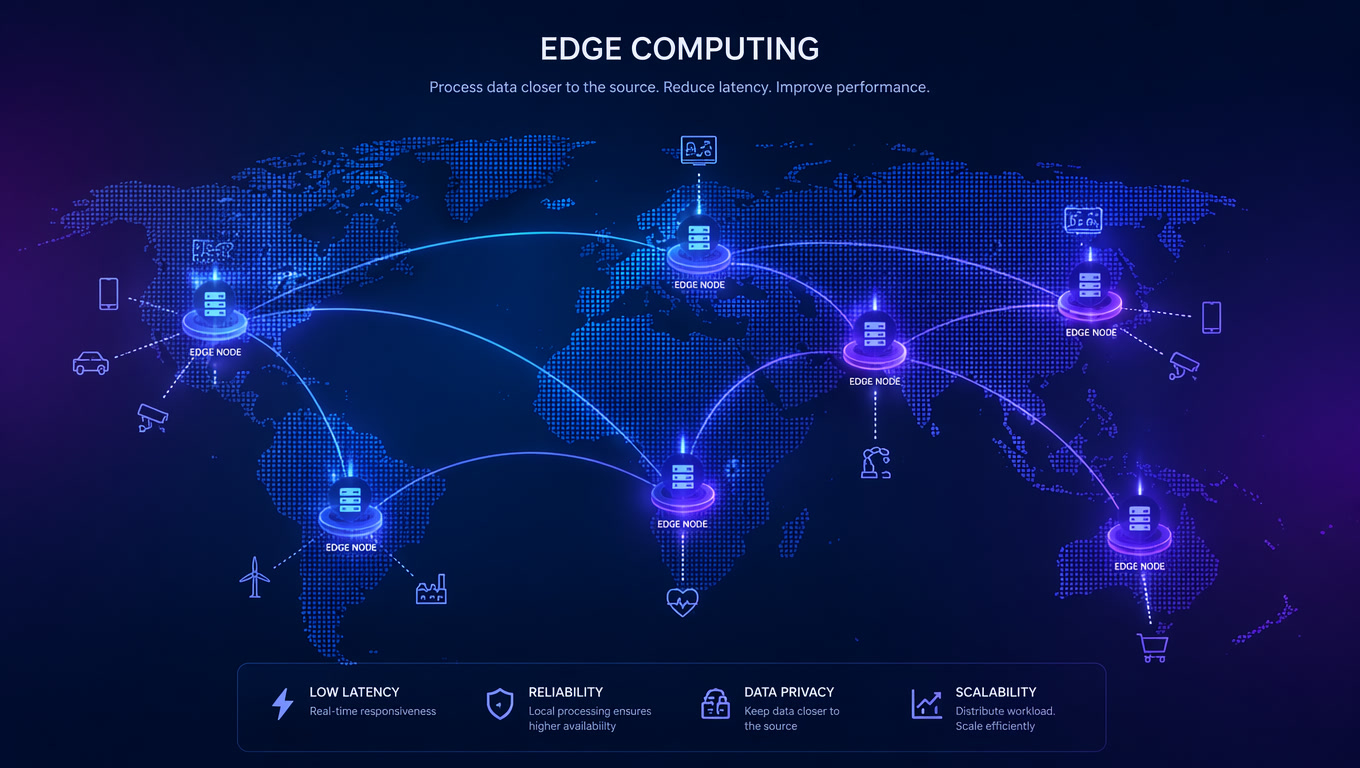
The Edge Rendering Spectrum: The Decision Framework We Use for Content Sites
Pure static build, Server Islands, edge SSR, or full server rendering — how to decide what renders where based on data freshness, personalization, and traffic. Based on real projects with Astro and Cloudflare.
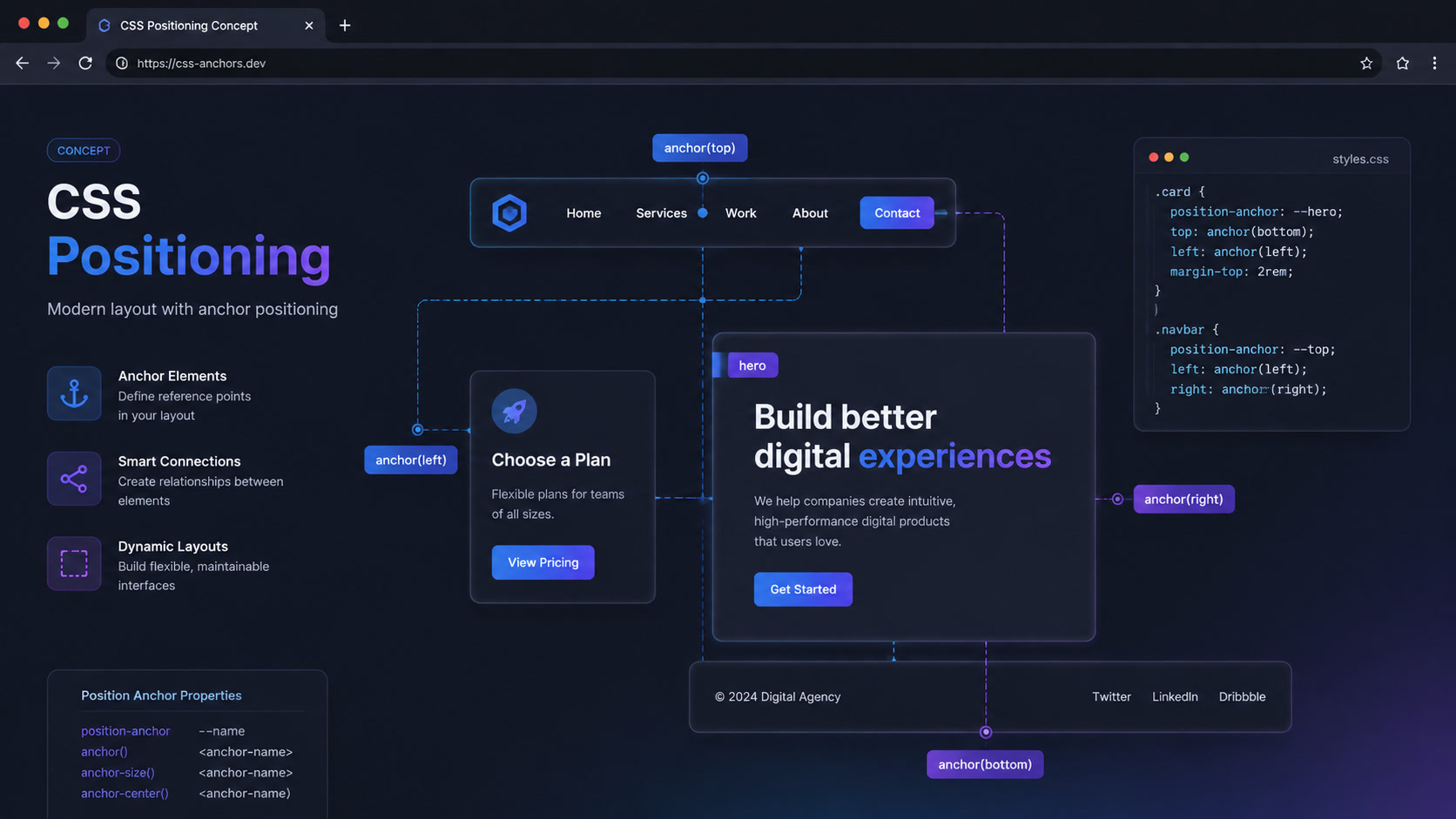
CSS Anchor Positioning in 2026: The Browser API That Retires Popper.js and Floating UI
CSS Anchor Positioning reached Baseline 2026 with support across Chrome, Firefox, and Safari. This native API positions tooltips, menus, and popovers without a single line of JavaScript — replacing libraries like Popper.js and Floating UI with better performance and zero dependencies.

European Accessibility Act Enforcement in 2026: What We Learned Auditing Real Websites
The EAA has been enforceable since June 2025. Now enforcement is accelerating — and most companies still aren't compliant. We've spent months auditing client sites. Here are the failure patterns we see most often, what's cheap to fix, what requires structural surgery, and the framework we use to prioritize.
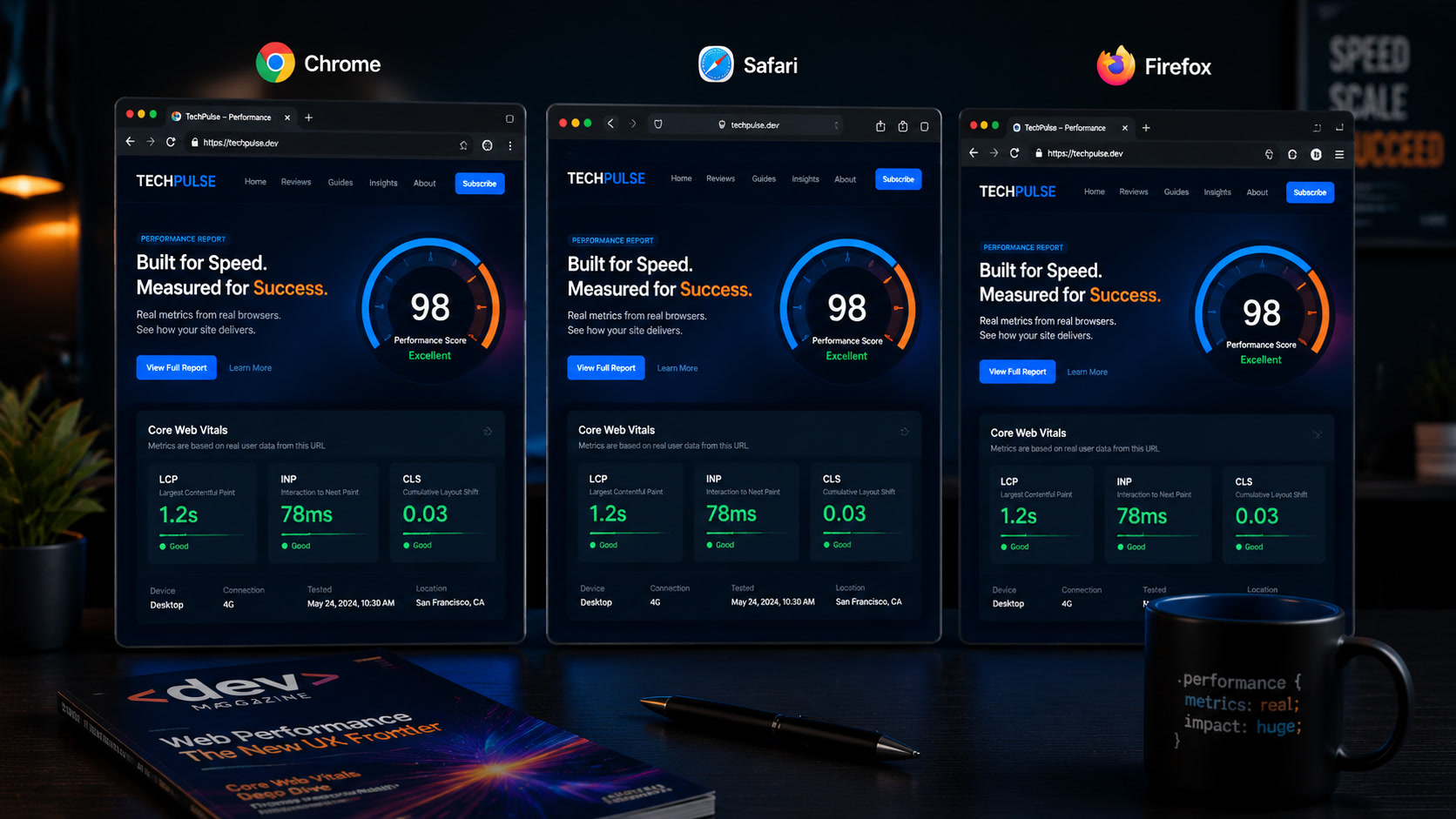
Cross-Browser Performance in 2026: Safari Is No Longer an Excuse
Since January 2026, Safari 26.2, Chrome, and Firefox measure Core Web Vitals identically. Fragmentation is over. This changes how we optimize websites — frameworks, real metrics, and stack decisions from actual Mintec projects.
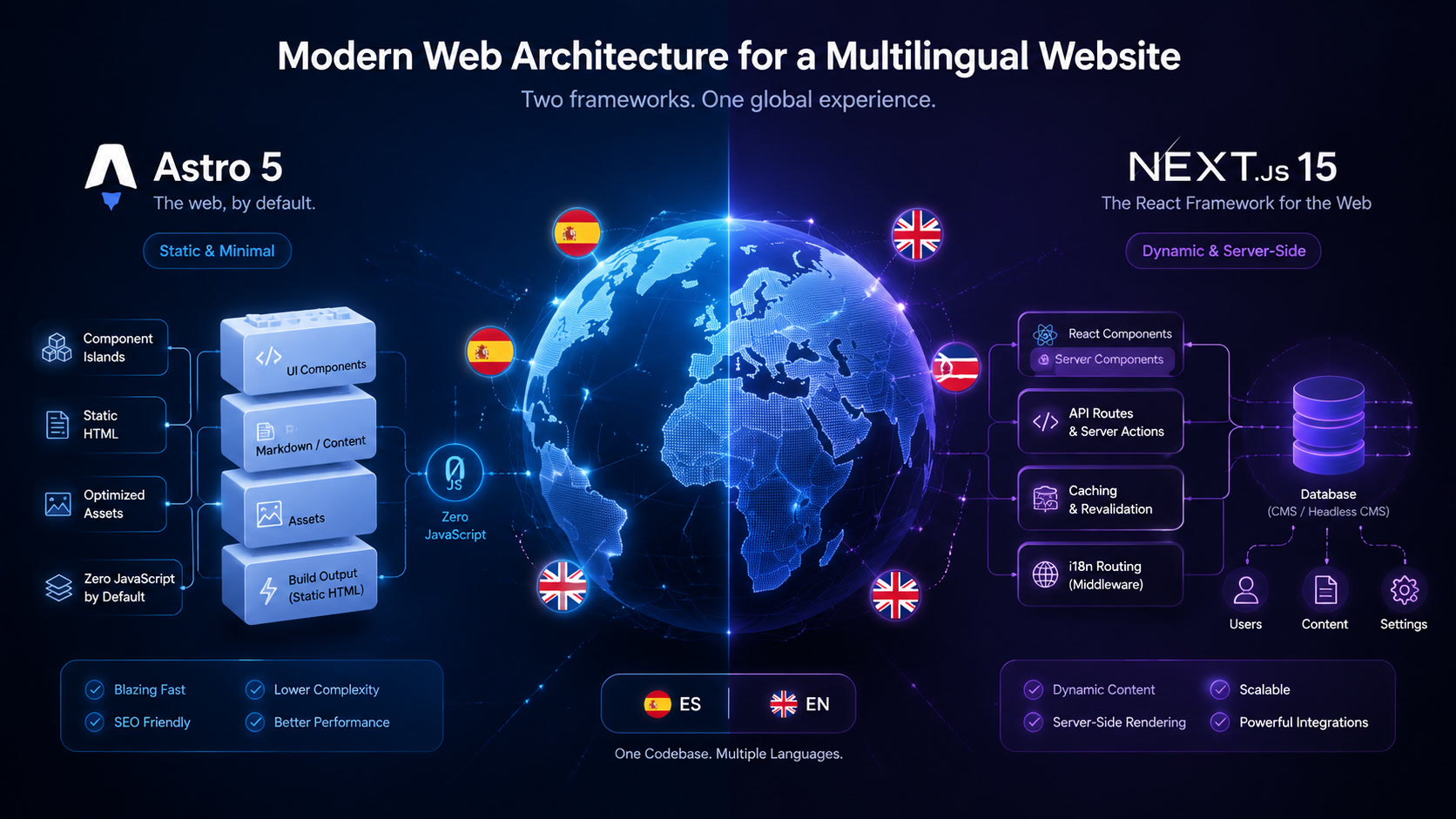
Multilingual Architecture in 2026: Astro 5 vs Next.js 15 for International Websites
Astro 5 ships native i18n routing and Next.js 15 has next-intl as the de facto standard. But native support doesn't mean equivalent results. Based on running a bilingual EN/ES agency site since 2018 and building multilingual projects for clients across LatAm and Europe, here is a practical decision framework for choosing the right stack.
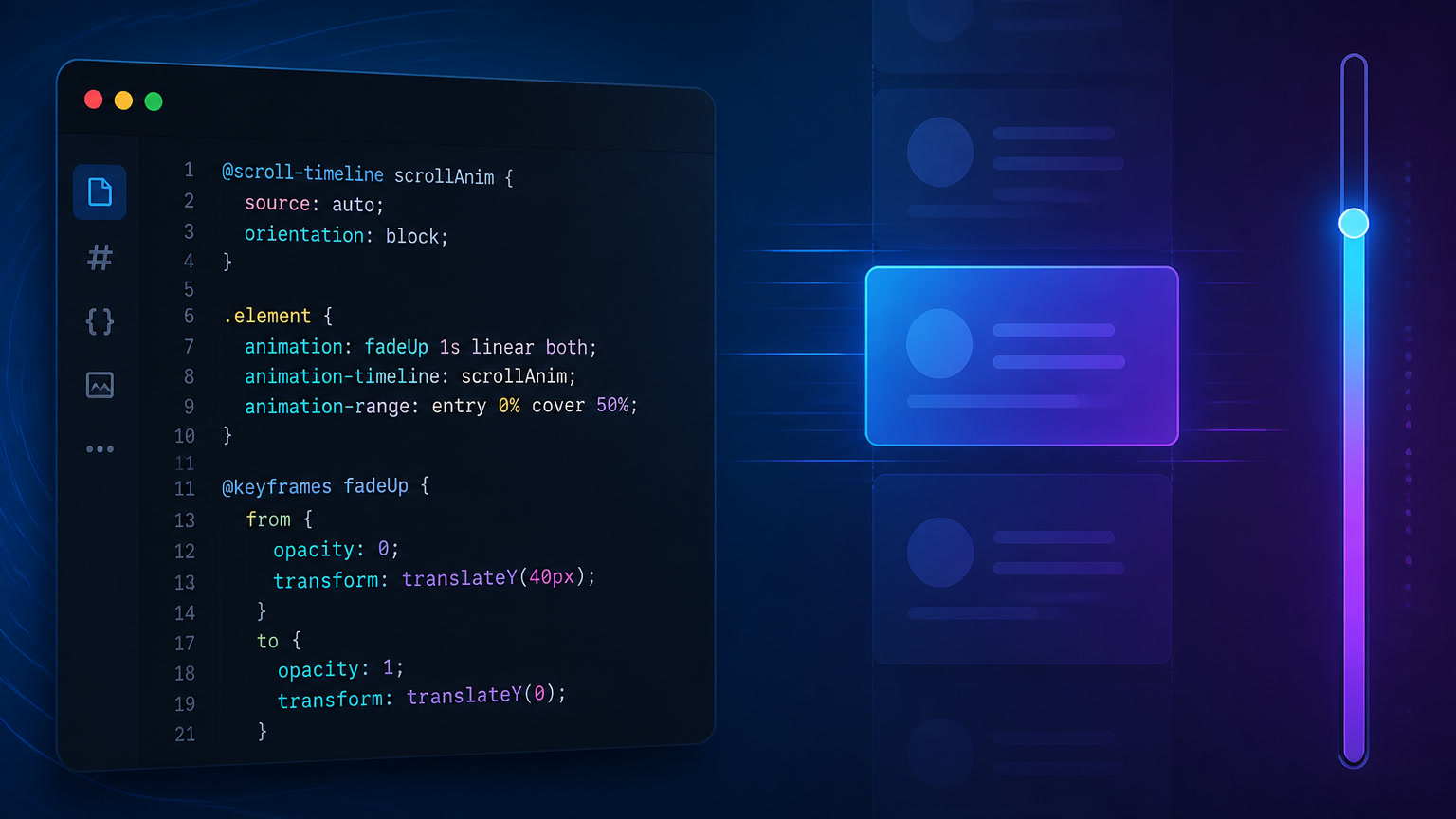
Native CSS Scroll-Driven Animations in 2026: Why It's Time to Retire IntersectionObserver
CSS scroll-driven animations (animation-timeline, scroll(), view()) now have 90%+ browser support and replace IntersectionObserver-based scroll animations with zero JavaScript. Real migration data from three production projects and a decision framework for knowing when to adopt and when to wait.
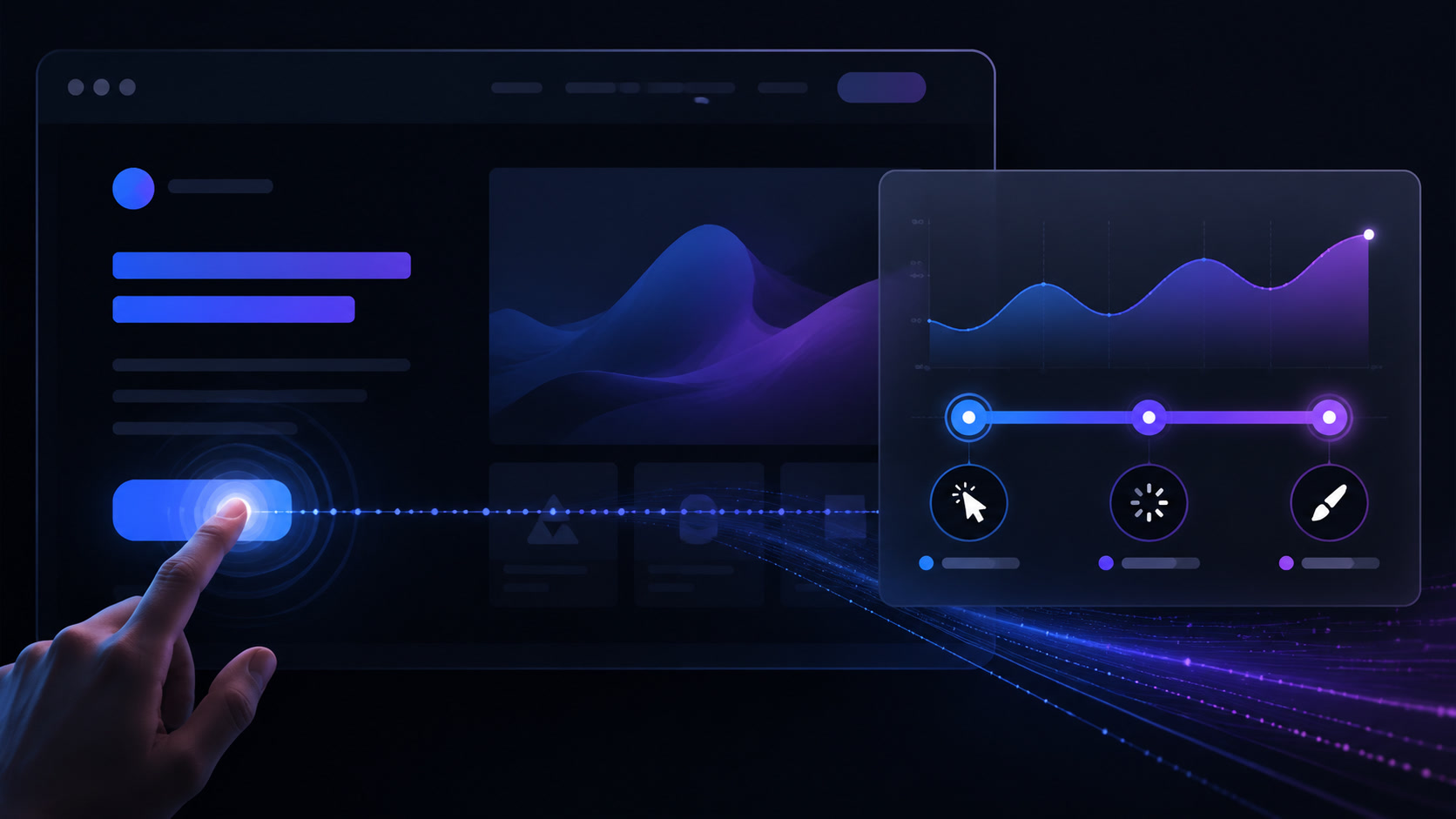
INP on Media-Heavy Sites: Debugging Interaction Latency with LoAF and scheduler.yield()
Video galleries, synthetic media portfolios, and image sliders have a unique INP profile that generic advice doesn't address. Here's how to debug interaction latency with the modern APIs that actually work.
The Hero Video Dilemma: When Design Wants Video but Performance Demands a Poster
Autoplay hero videos are the #1 cause of LCP failures on visually-rich websites. But you can have both. Here are the frontend architecture decisions that actually work in 2026.
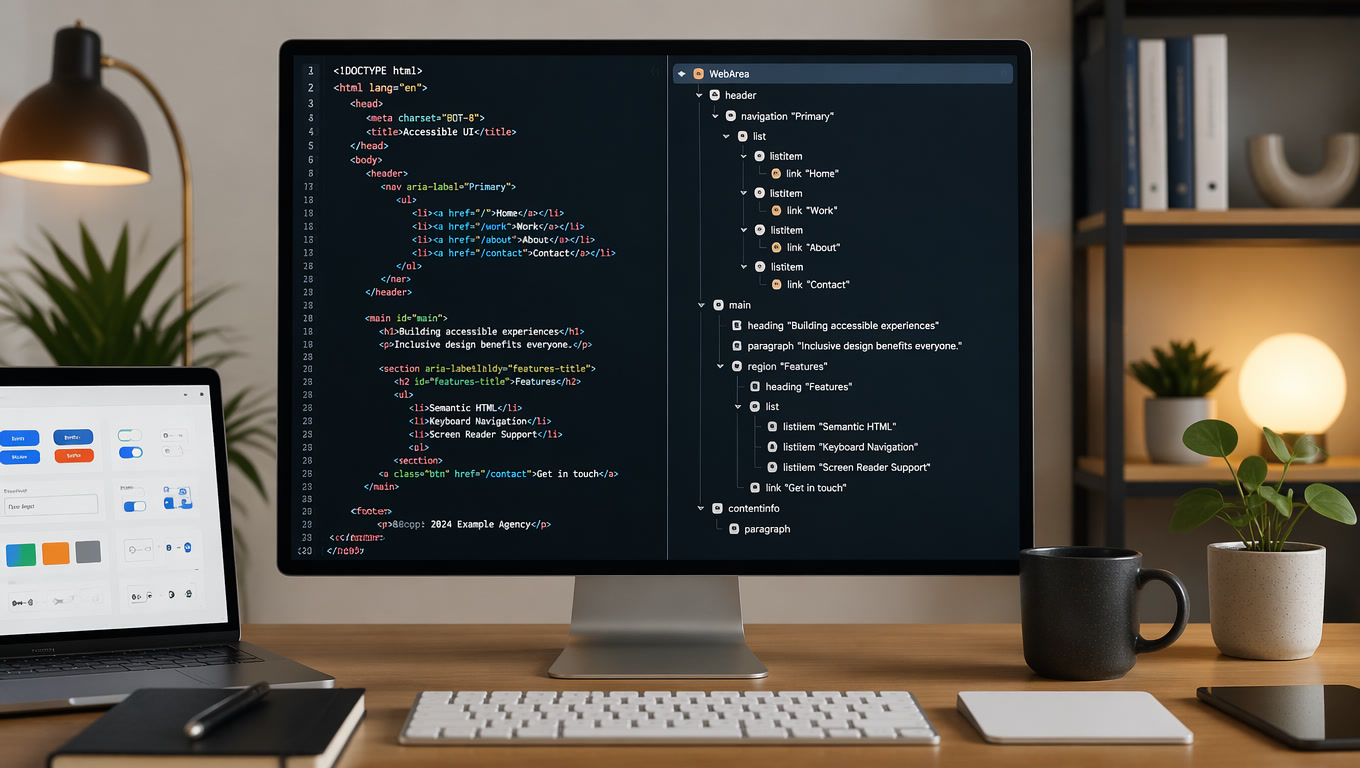
Goodbye ARIA: Why 2026 Is the Year of Native HTML Accessibility
Developers are abandoning complex ARIA widgets for native HTML elements. With accessibility laws in effect across the US and Europe, this shift isn't a trend — it's a requirement. Real experience migrating projects toward semantic, accessible HTML.
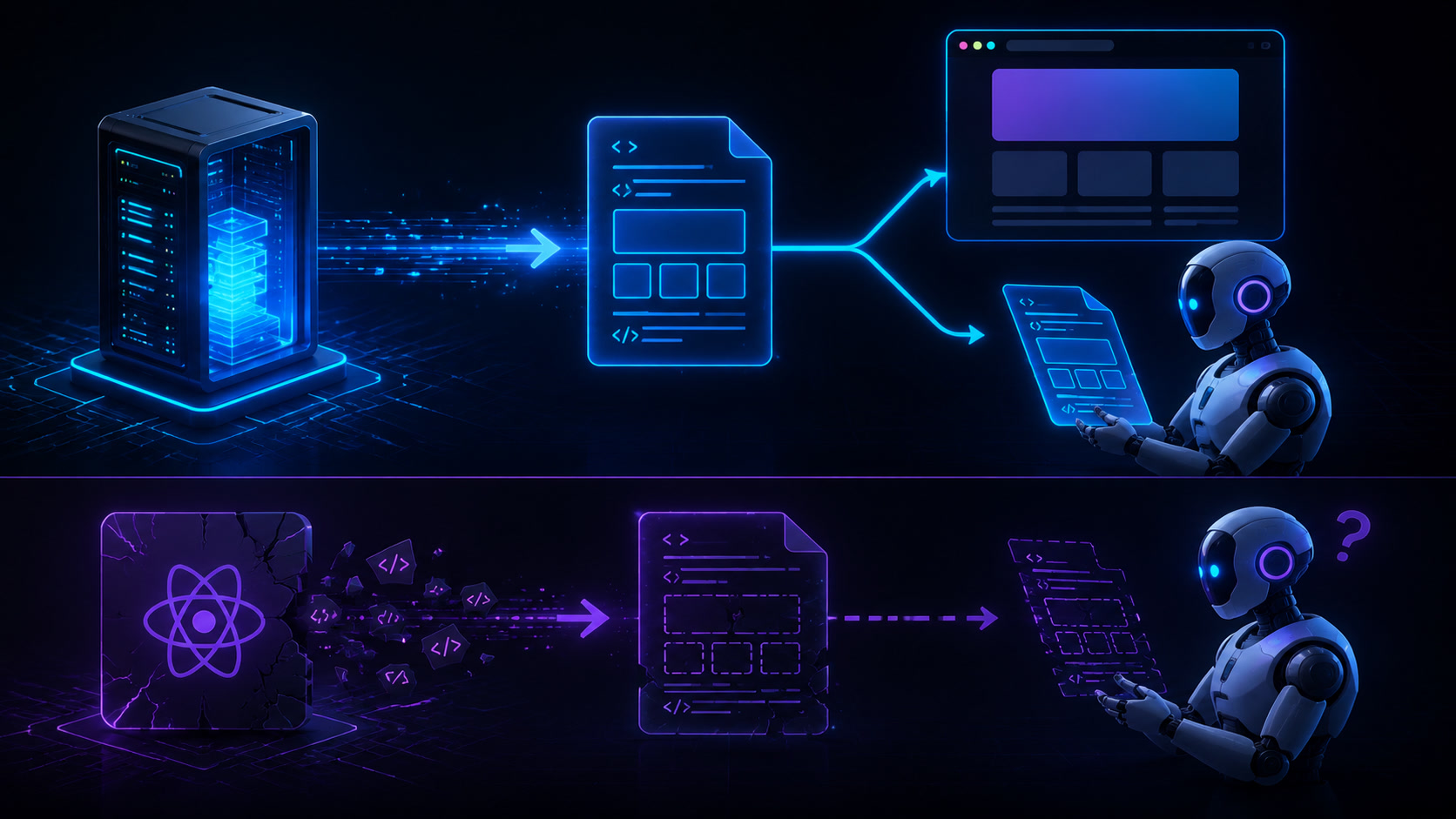
AI Crawlers Don't Read JavaScript — Why SSR and SSG Are Now Essential for Content Sites
GPTBot, ClaudeBot, and PerplexityBot do not execute JavaScript. If your site depends on client-side rendering, 50-80% of your content is invisible to AI. Here's what rendering architectures actually work — with real production data from migration projects.
Astro 7 Is Here: Vite 8, Rust Compiler, and What the Upgrade Means for Content-Heavy Sites
Astro 7 makes content-heavy builds 15–61% faster. See how Vite 8, Rolldown, Rust, and Sätteri affect performance—and whether your site should upgrade.
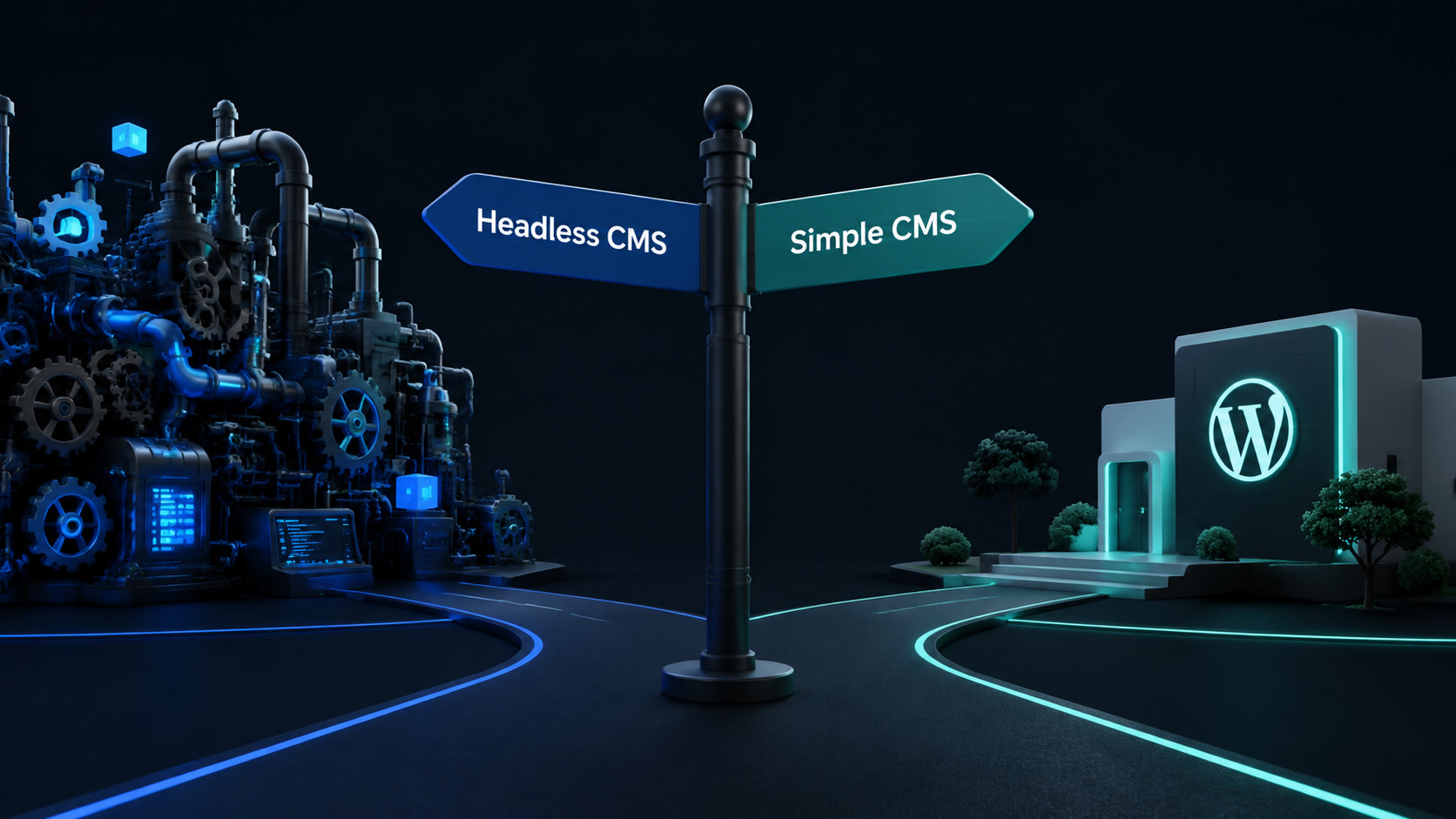
Composable Regret: Why Most Sites Don't Need a Headless CMS (And What to Build Instead)
The marketing around headless and composable CMS is so loud that buyers routinely over-buy architecture. We analyze when the headless approach is over-engineering, how to spot it, and the practical alternatives we recommend based on real projects.
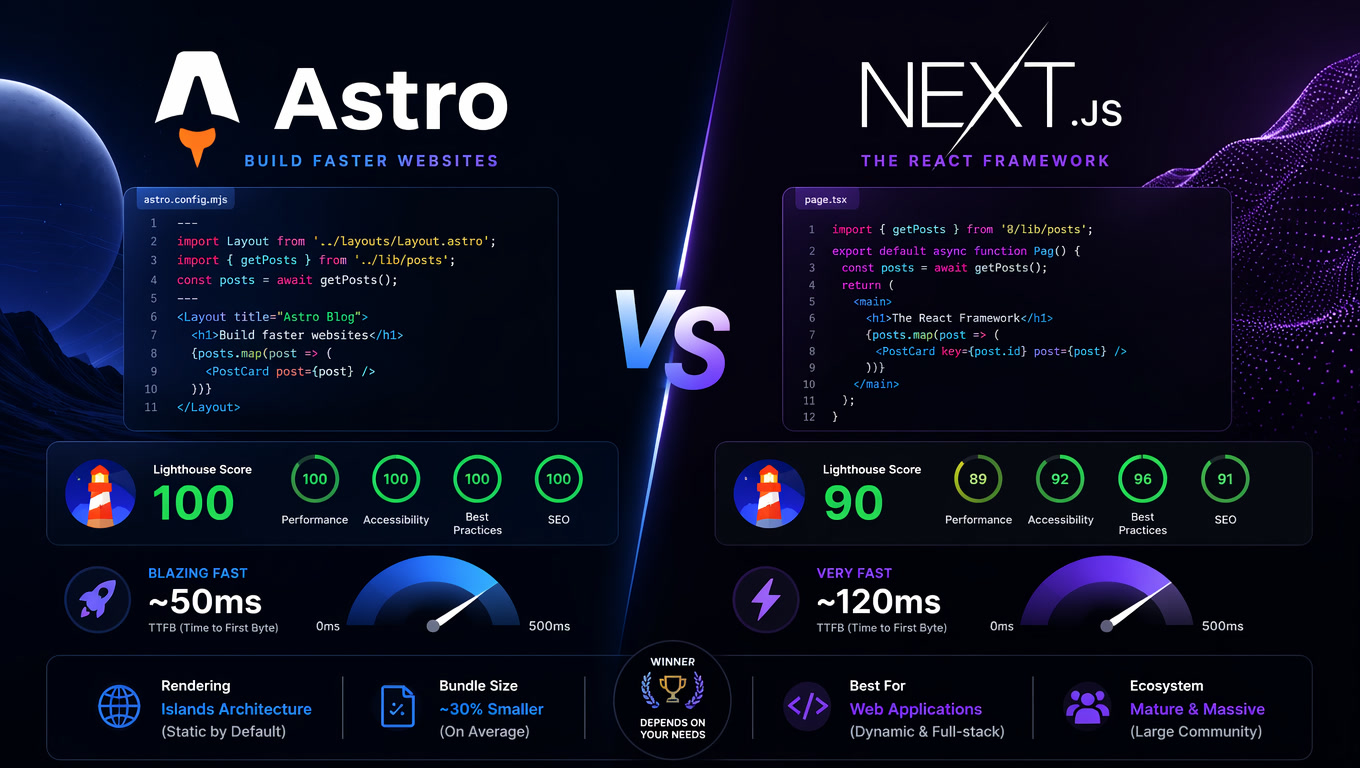
Astro vs Next.js in 2026 — Real Benchmarks from Projects We Built with Both
Comparing Astro 5 and Next.js 15 with real Lighthouse data, JS bundle sizes, and hosting costs from client projects. One framework isn't better — each solves a different problem.
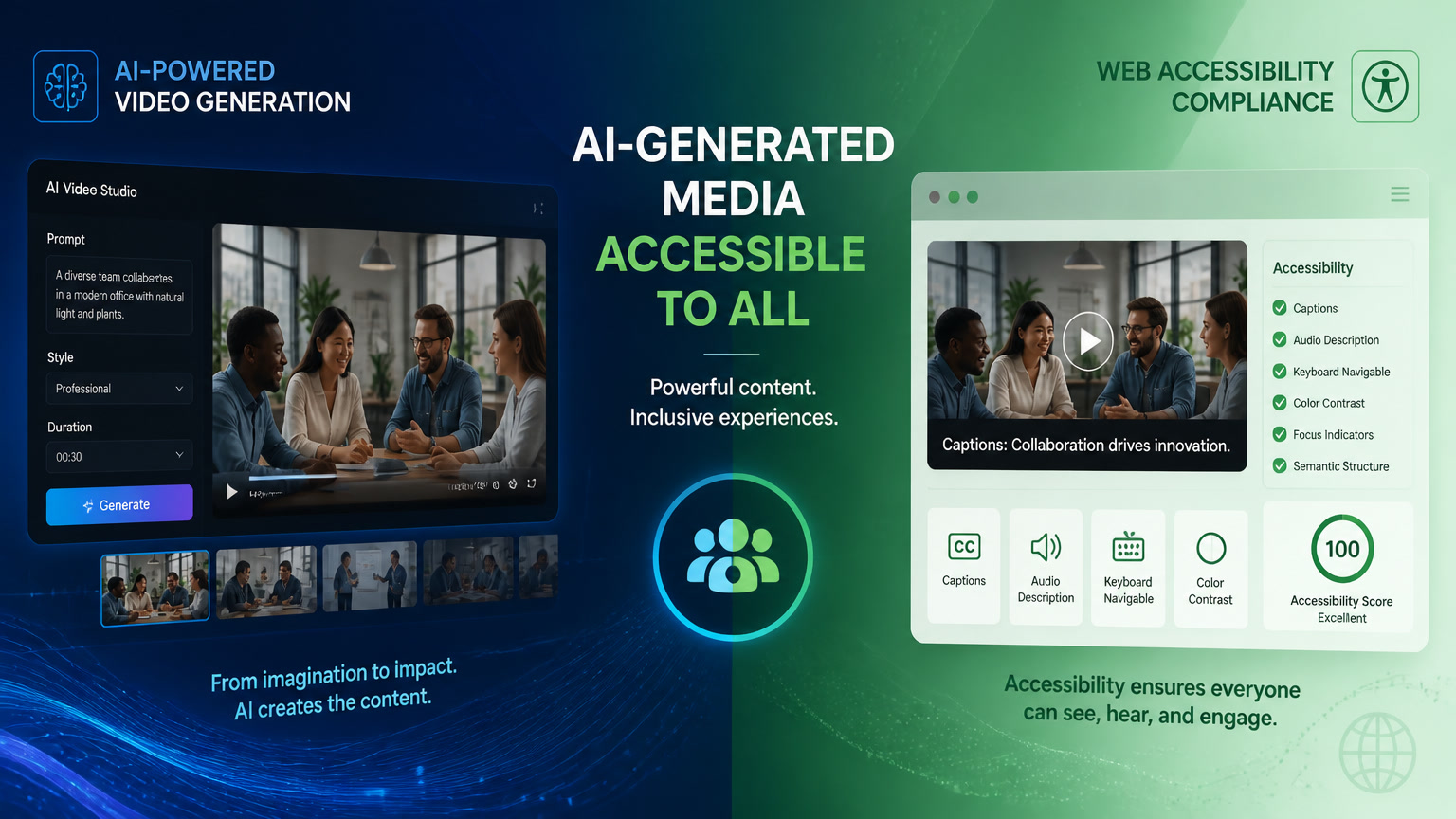
AI-Generated Media Needs Accessibility, Too — Captions, Transcripts, and Descriptions for Synthetic Video
Kling, Veo, Sora, and Seedance generate impressive video, but none produce captions, transcripts, or audio descriptions. Here is exactly what you need to implement to make your synthetic media compliant with web accessibility standards.
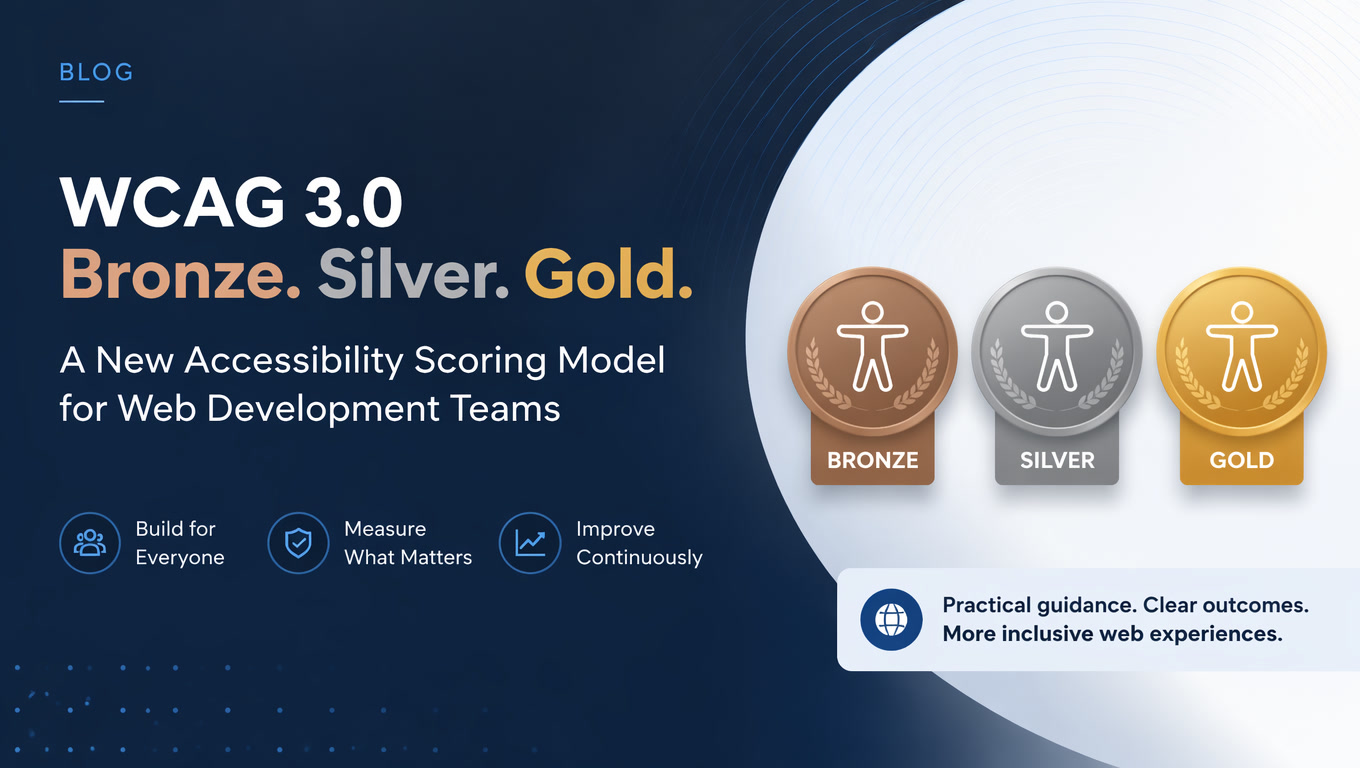
WCAG 3.0 Bronze, Silver, Gold: What the New Scoring Model Means for Your Development Team
WCAG 3.0 replaces the binary A/AA/AAA pass-fail system with an outcome-based Bronze/Silver/Gold scoring model. The March 2026 Working Draft is out. Here is what changes for your development workflow, what stays the same, and how to prepare without falling into regulatory panic.

What 3 Production Astro Sites Taught Us About Content Architecture at Scale
Three real production projects on Astro 6, three different architectures. What worked, what didn't, and how we decide which pattern to use — with real metrics, honest tradeoffs, and concrete field lessons.
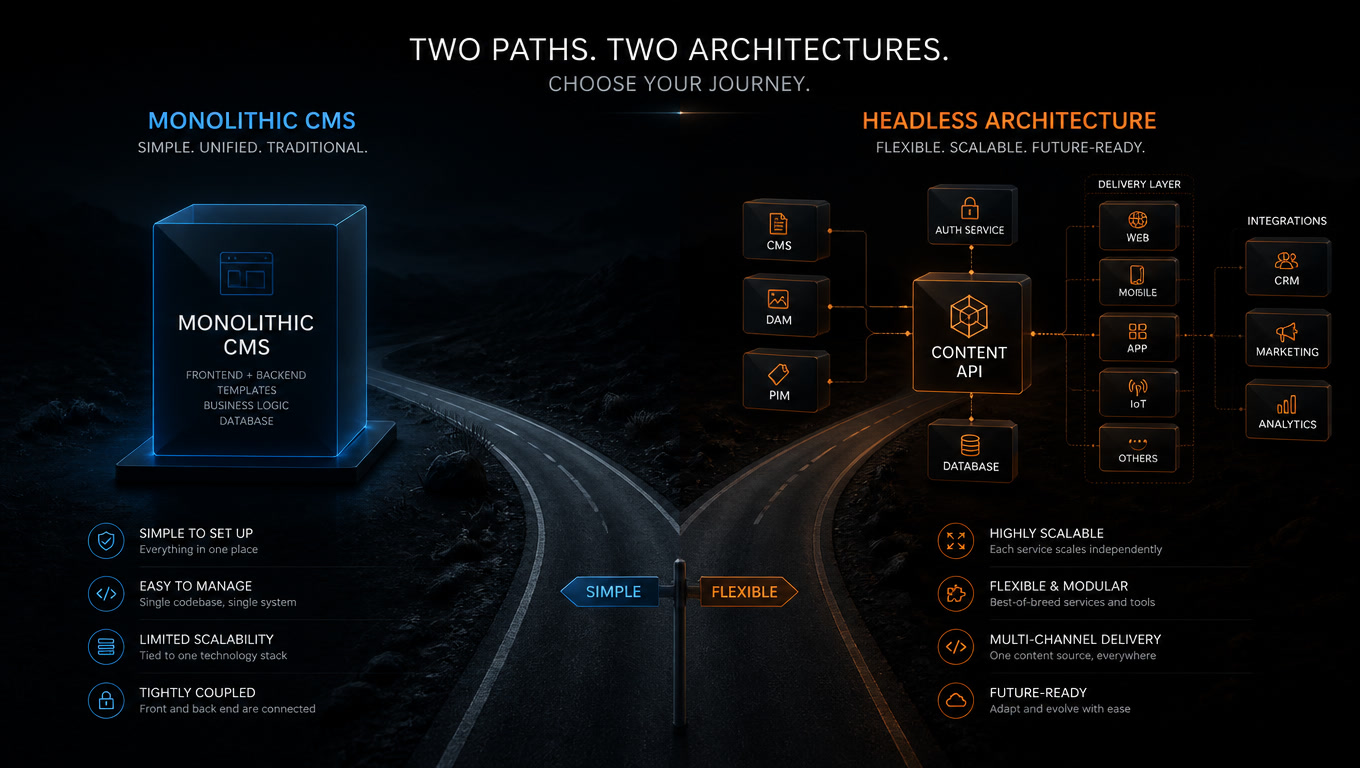
When NOT to Use a Headless CMS: Real Project Lessons from Teams That Over-Engineered Their Stack
Headless CMS isn't always the right answer. Based on real migration projects, we share a decision framework for when to stick with traditional WordPress and when the leap to headless actually pays off.

Agentic CMS: When AI Agents Join Your Content Team in 2026
Sanity rebranded as a Content OS for the AI era. Salesforce is acquiring Contentful to wire it into Agentforce. Seven CMS platforms now ship MCP servers. The agentic CMS is 2026's defining web development trend — and it changes how teams build and manage content.
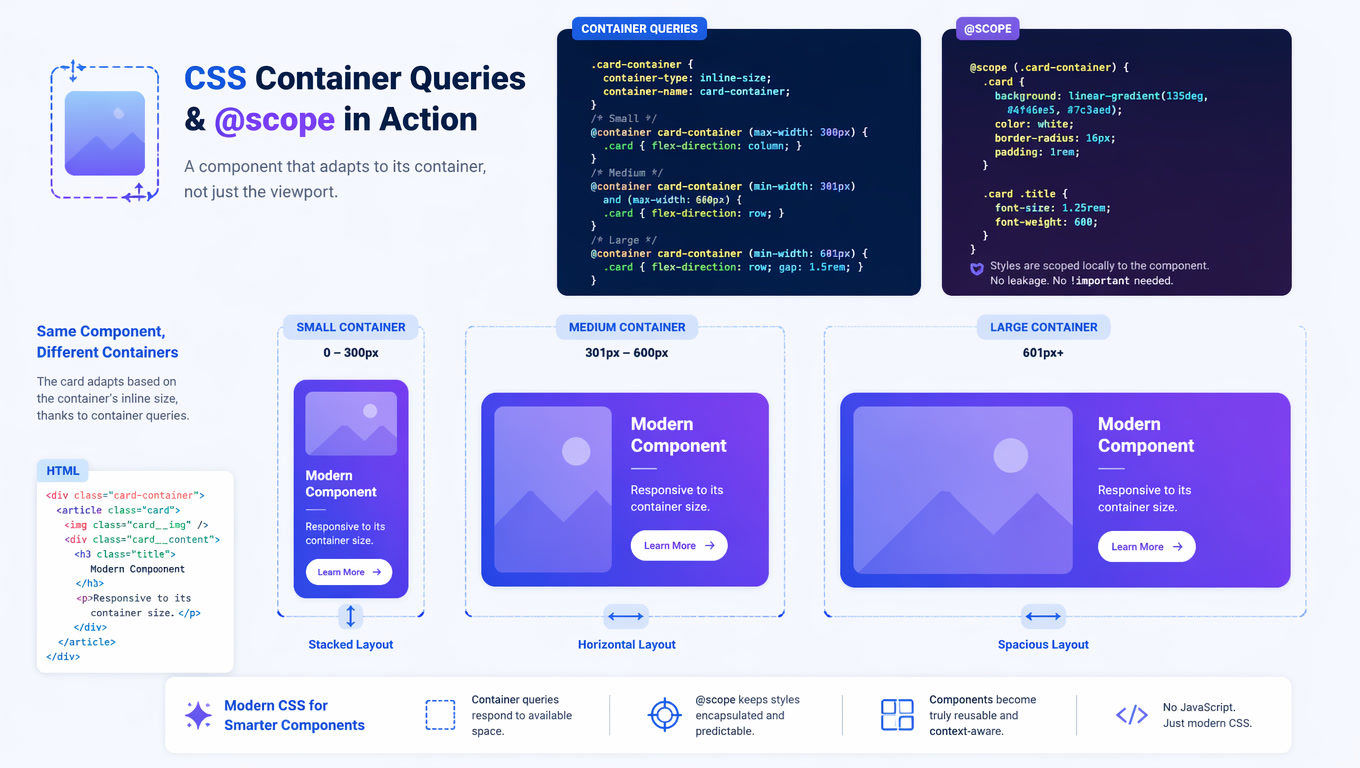
Container Queries and @scope: The New CSS That Changed How We Build Components in 2026
Container queries and @scope CSS now have over 93% global browser support. Here's how we migrated a client's design system from media queries to container queries — real metrics, unexpected patterns, and a decision framework for knowing when to use each technique.
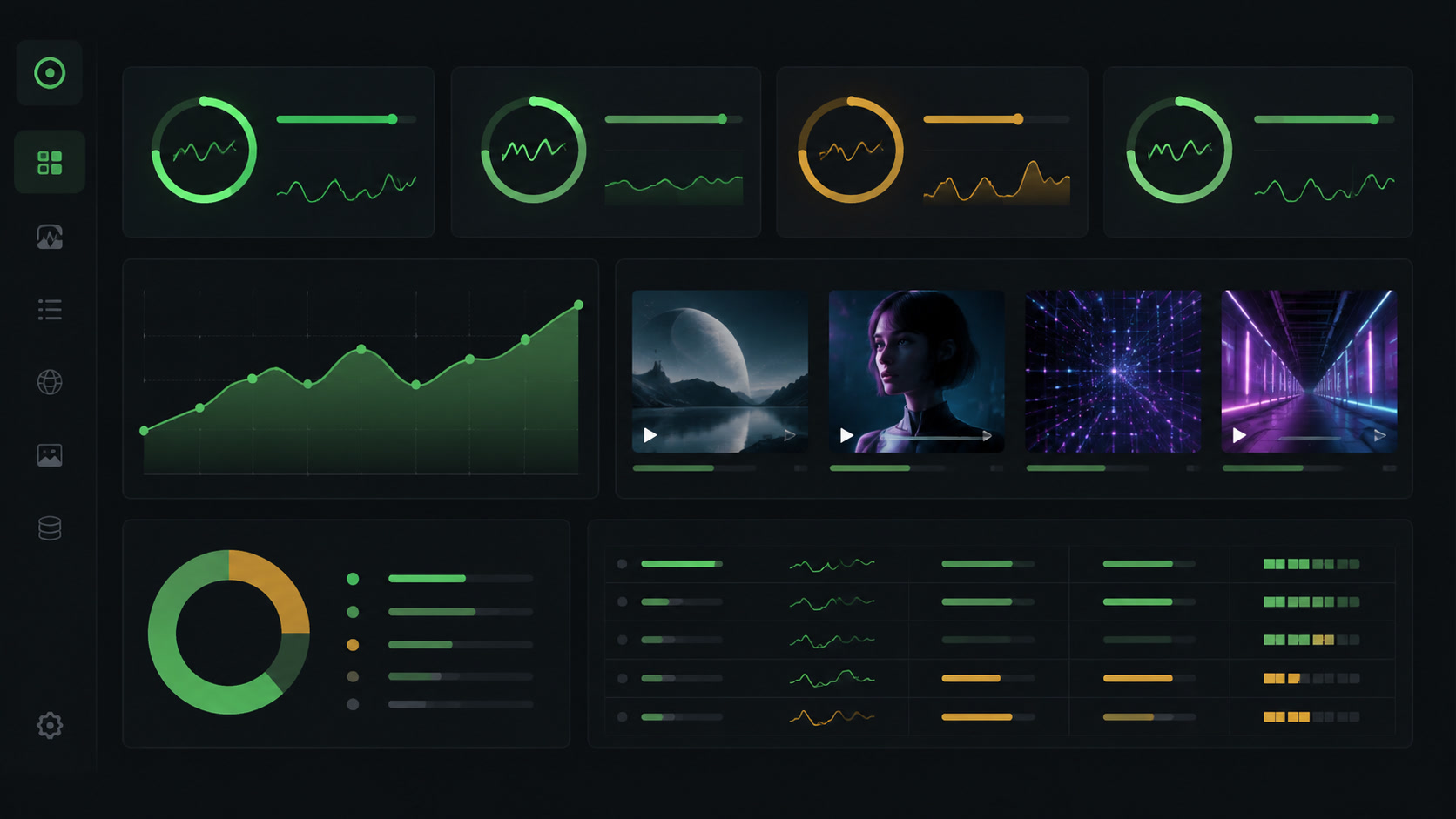
Performance Budgets for Synthetic Media Sites: The Framework We Use at Mintec
Standard performance budgets break when your site depends on AI-generated video and images. Here is the four-dimensional framework we developed at Mintec to keep Core Web Vitals healthy on projects with synthetic media.
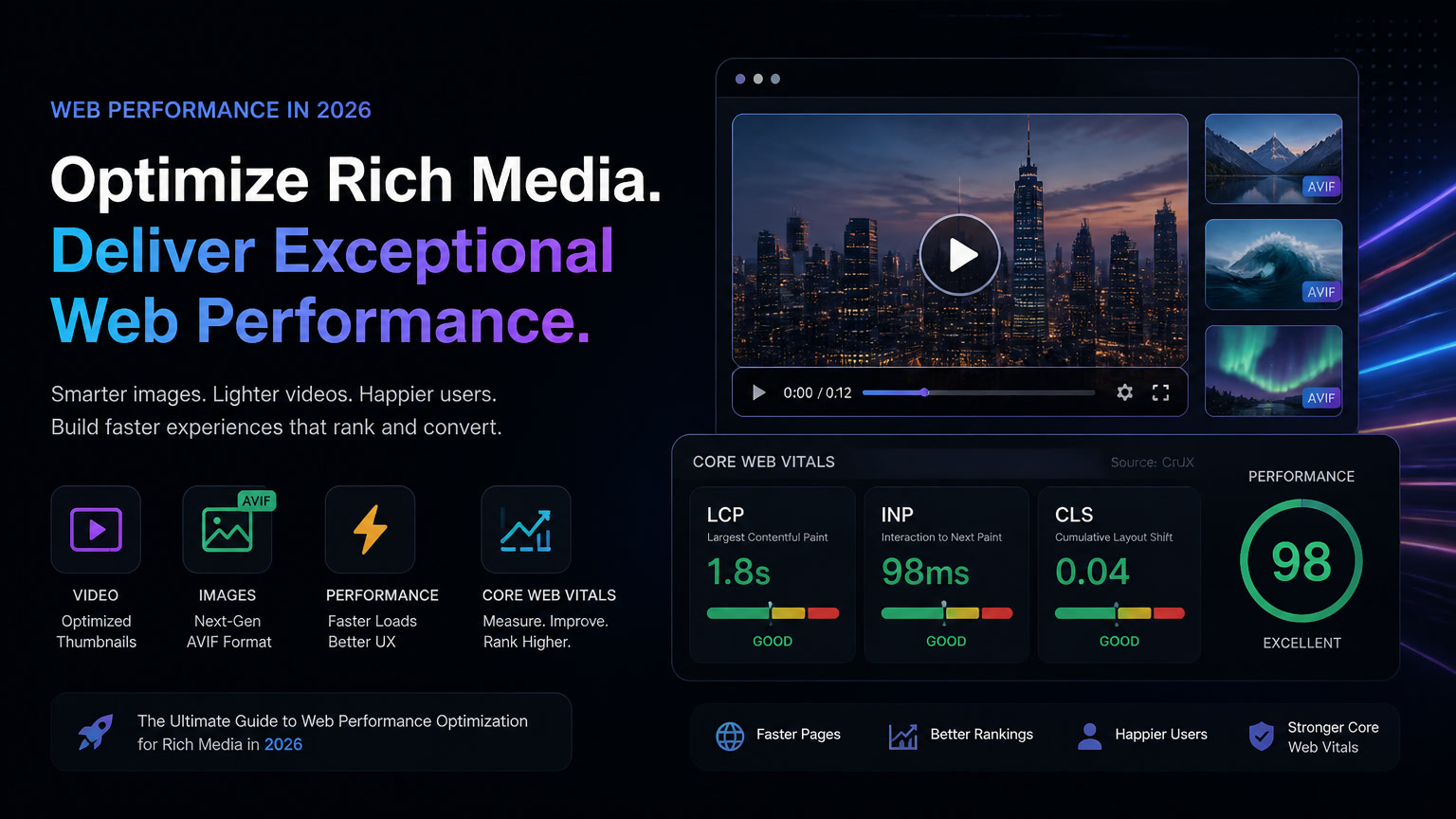
The Real Cost of Rich Media in 2026: How We Optimize Video, AI Images, and Next-Gen Formats for Core Web Vitals
Synthetic video, AI-generated images, and rich media are transforming the web — but they're also tanking Core Web Vitals. Here's what we've learned optimizing content-heavy sites in 2026.
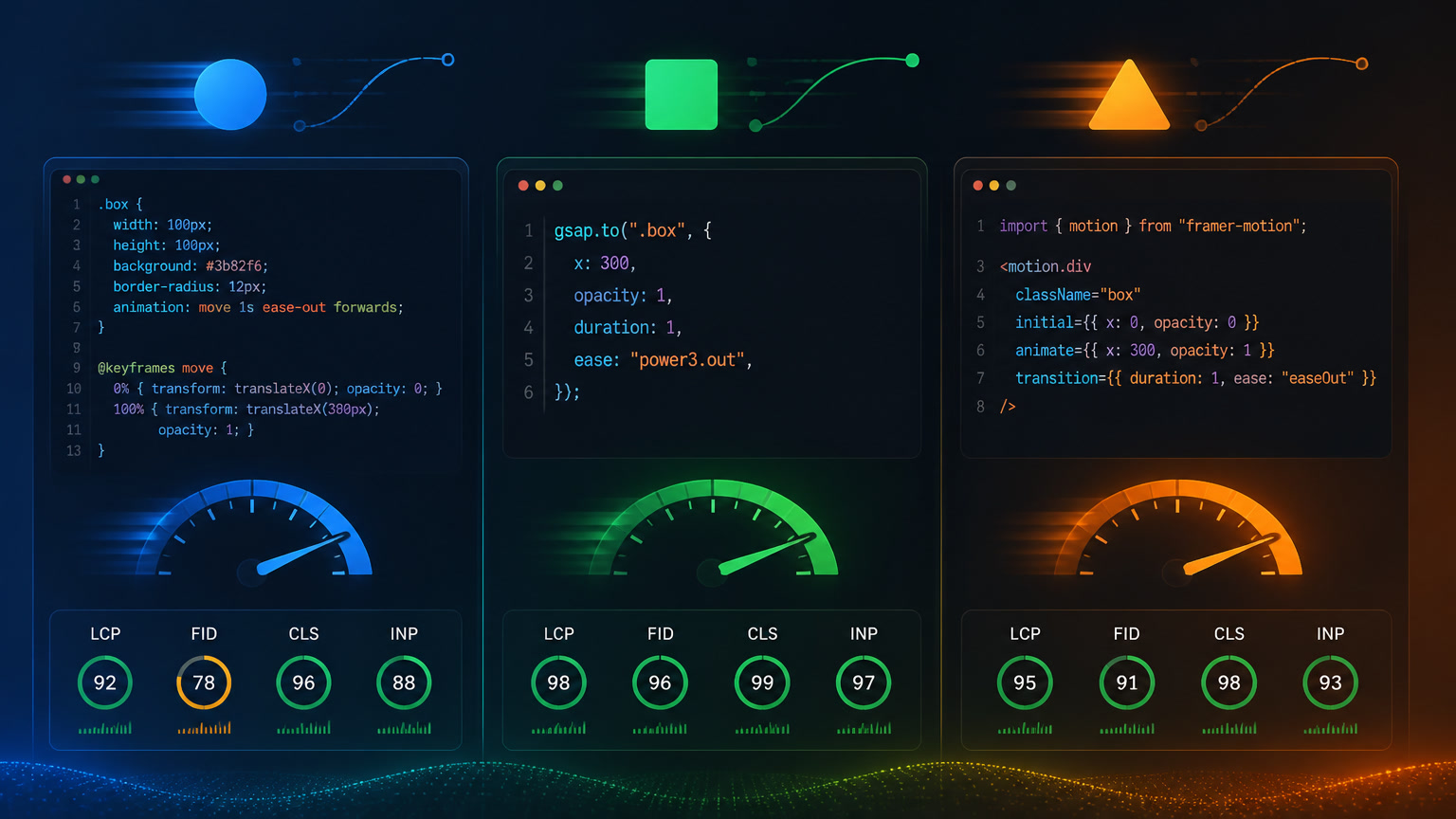
Animation Libraries and Core Web Vitals: Real Performance Impact of GSAP, Framer Motion, and CSS in 2026
GSAP adds 23KB, Framer Motion up to 46KB. We compare the real impact of animation libraries on INP, LCP, and CLS with production data and the Long Animation Frames API.
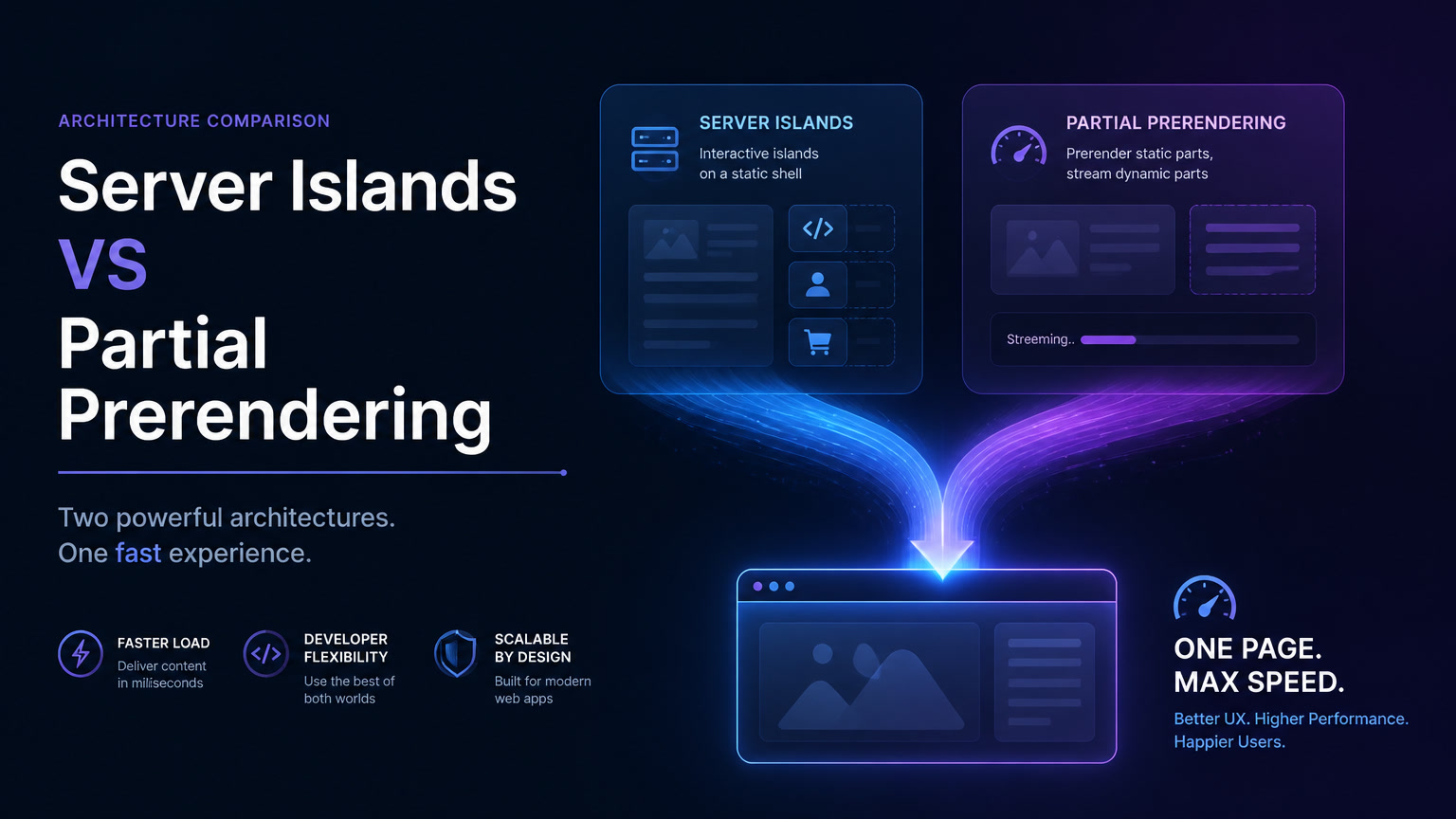
Server Islands vs Partial Prerendering: Choosing the Right Hybrid for Your Content Site
Comparing Astro 5 Server Islands with Next.js Partial Prerendering for content-heavy sites: real performance benchmarks, use cases, and a decision framework based on our experience migrating an editorial client.

The Vibe Coding Security Crisis: What Agencies Need to Know Before AI Builds Your Client's Site
Veracode found 45% of AI-generated code contains OWASP Top 10 vulnerabilities. Escape.tech found 2,000+ critical flaws in 5,600 vibe-coded apps. Here is what the numbers mean for agencies shipping AI-assisted sites to production — and a framework to avoid the trap.
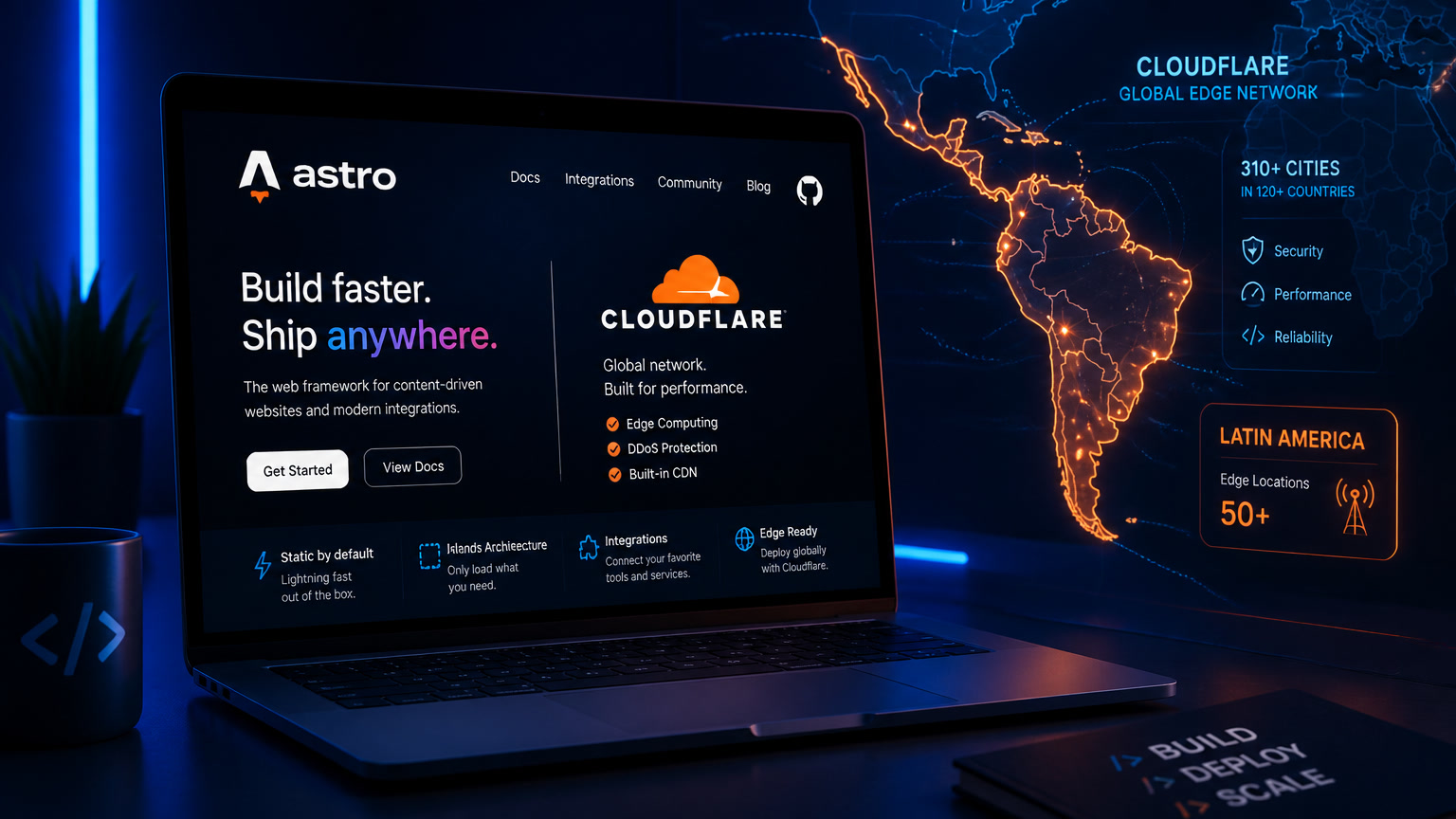
Cloudflare + Astro: Six Months Later, What We Learned Building Production Sites
Cloudflare acquired the Astro team in January 2026. Astro 6 landed in March. Now that both events have settled, we break down what actually changed for web development teams — with real production experience, not press releases.
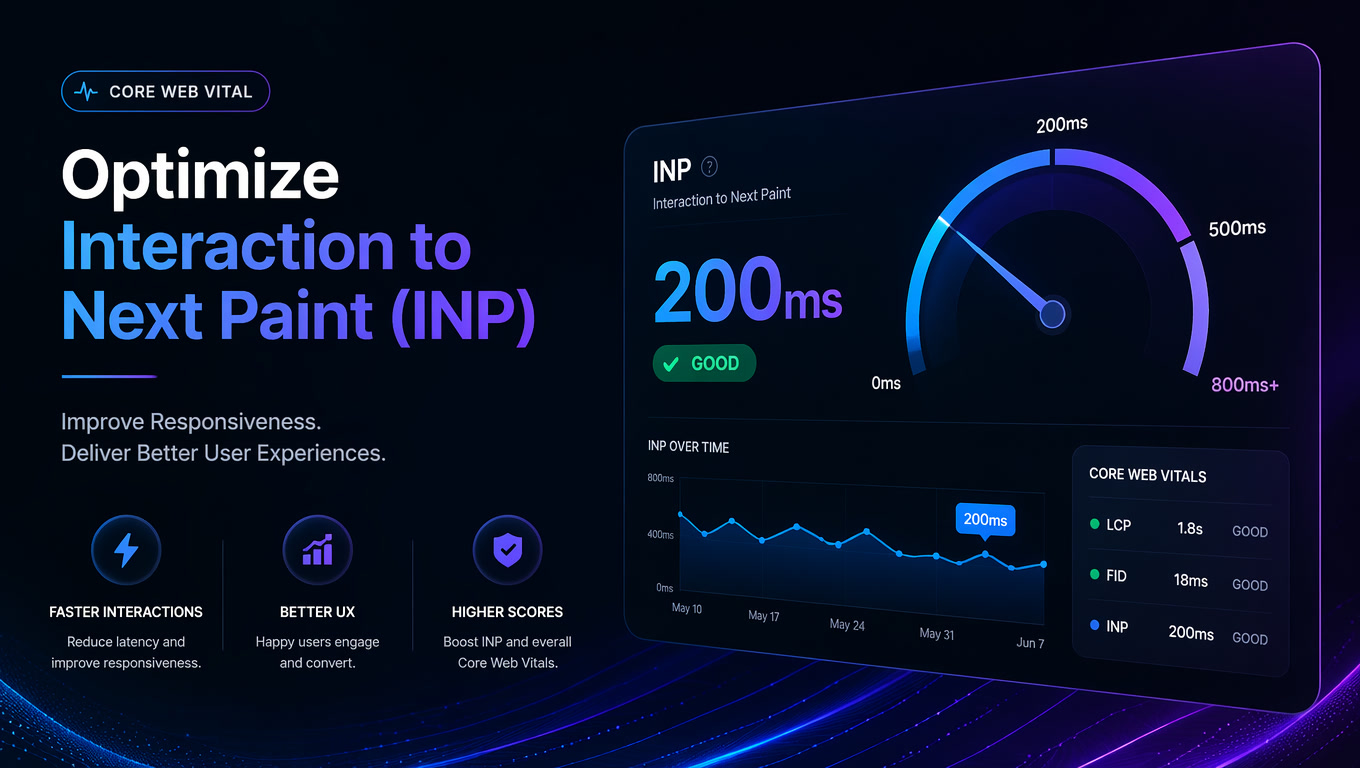
INP at 200ms: Why This Core Web Vital Is Silently Killing Your Conversions (And How to Fix It)
INP replaced FID two years ago, yet 43% of sites still fail the 200ms threshold. Here's the framework we use at Mintec to diagnose and fix INP on real production sites — with field data, not Lighthouse simulations.

AI-Powered Web Development: From Vibe Coding to Production
Cursor hit $2B in revenue. 68% of developers now use AI to generate code. Here's how AI-powered web development is changing how teams build software in 2026 — what works, what doesn't, and what it means for your business.
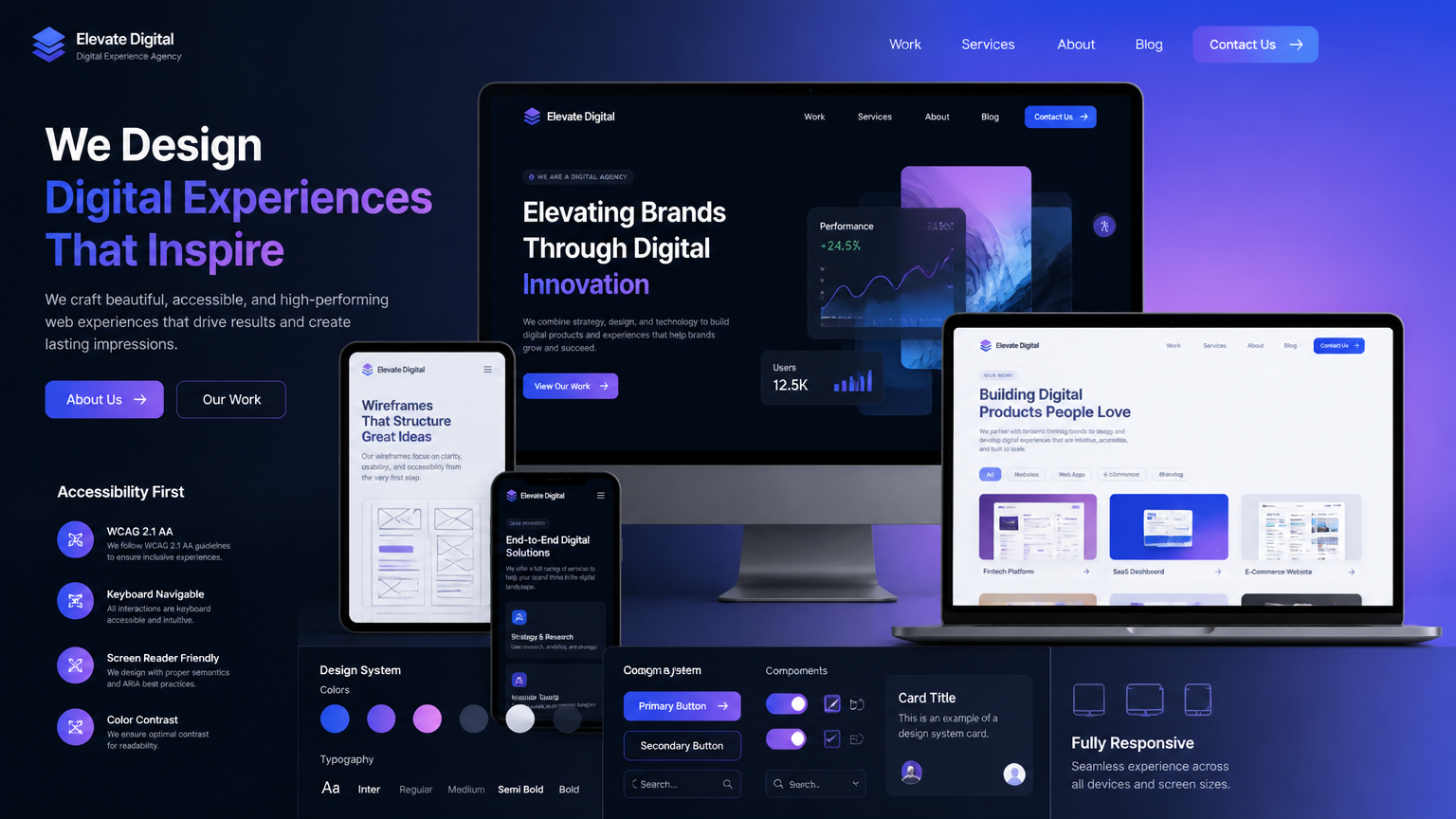
Web Design & UX Trends: What Users Actually Expect from Modern Websites
Users decide whether a site is trustworthy in under 0.05 seconds. 88% never return after a bad experience. Here are the real web design trends in 2026 — performance, accessibility, micro-interactions, and UX patterns — backed by data from NN/g, Google, and WebAIM.
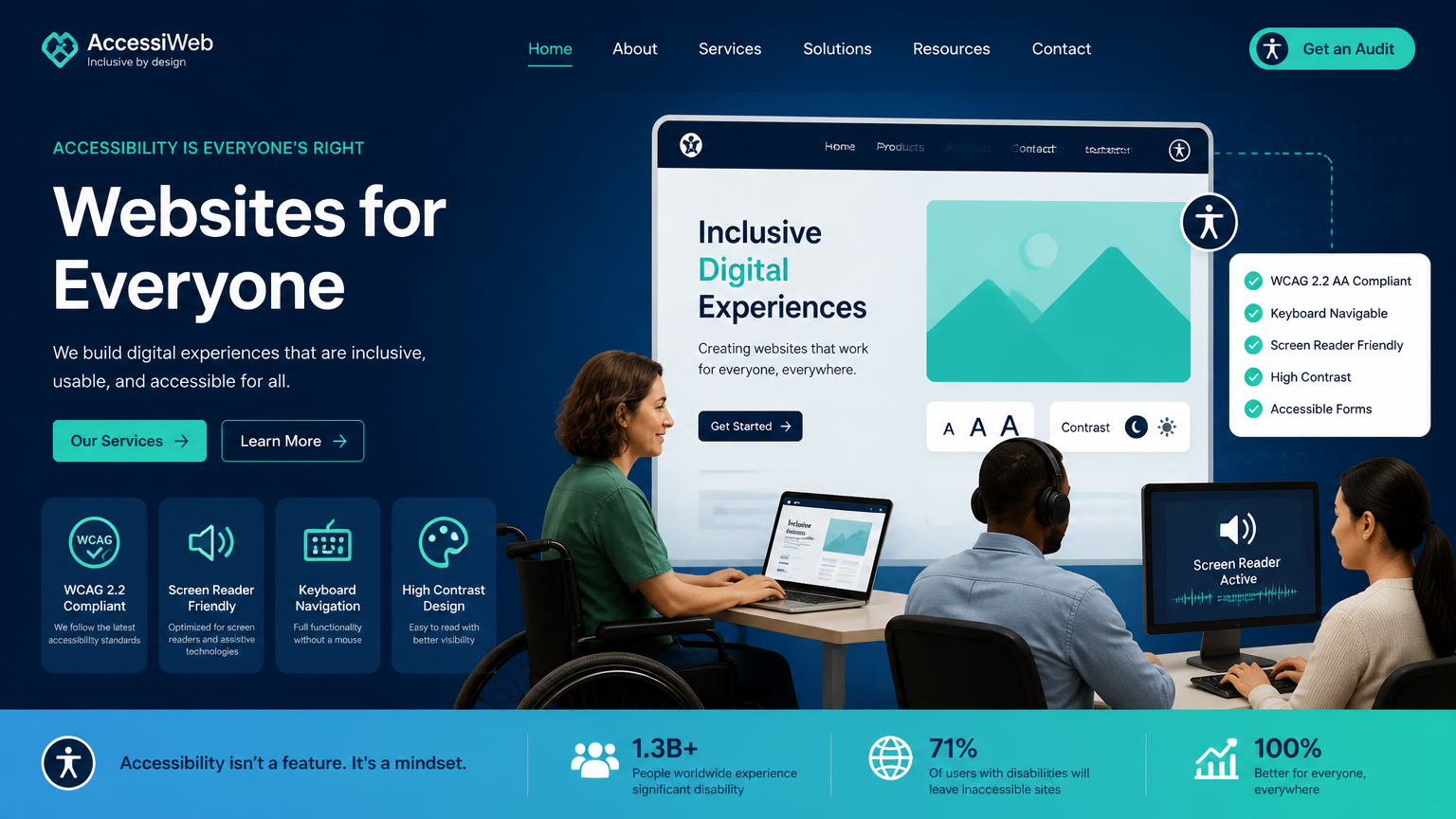
Web Accessibility: Why Your Website Is Costing You Customers (And How to Fix It)
95.9% of home pages have detectable WCAG failures. ADA lawsuits hit 5,000+ in 2025. And it's not just about compliance — accessible sites convert better, rank higher, and reach more people. Practical guide with 2026 data.

Edge Computing and Serverless Architecture: What Works and What Doesn't
Cloudflare Workers, Vercel Edge Functions, and Deno Deploy are fighting for your infrastructure budget. Here is the real difference, the benchmarks, and when to actually migrate.
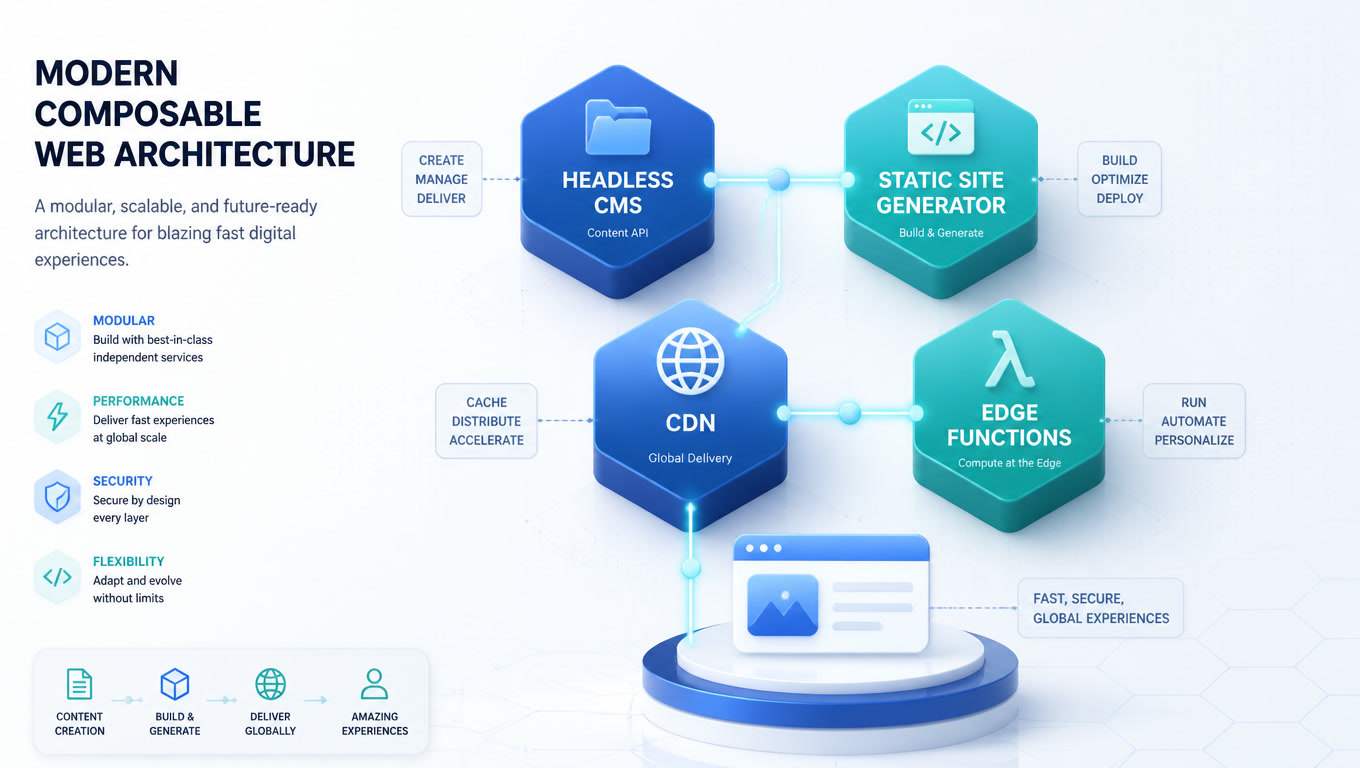
Composable Web Architecture: Headless CMS, SSGs, and the End of Monolithic Sites
Headless CMS platforms like Contentful and Sanity doubled their market share to 5.6% in 2026. Here is why companies are moving to composable architectures with static generation, edge rendering, and micro-frontends — with cost data, migration strategies, and real business cases.
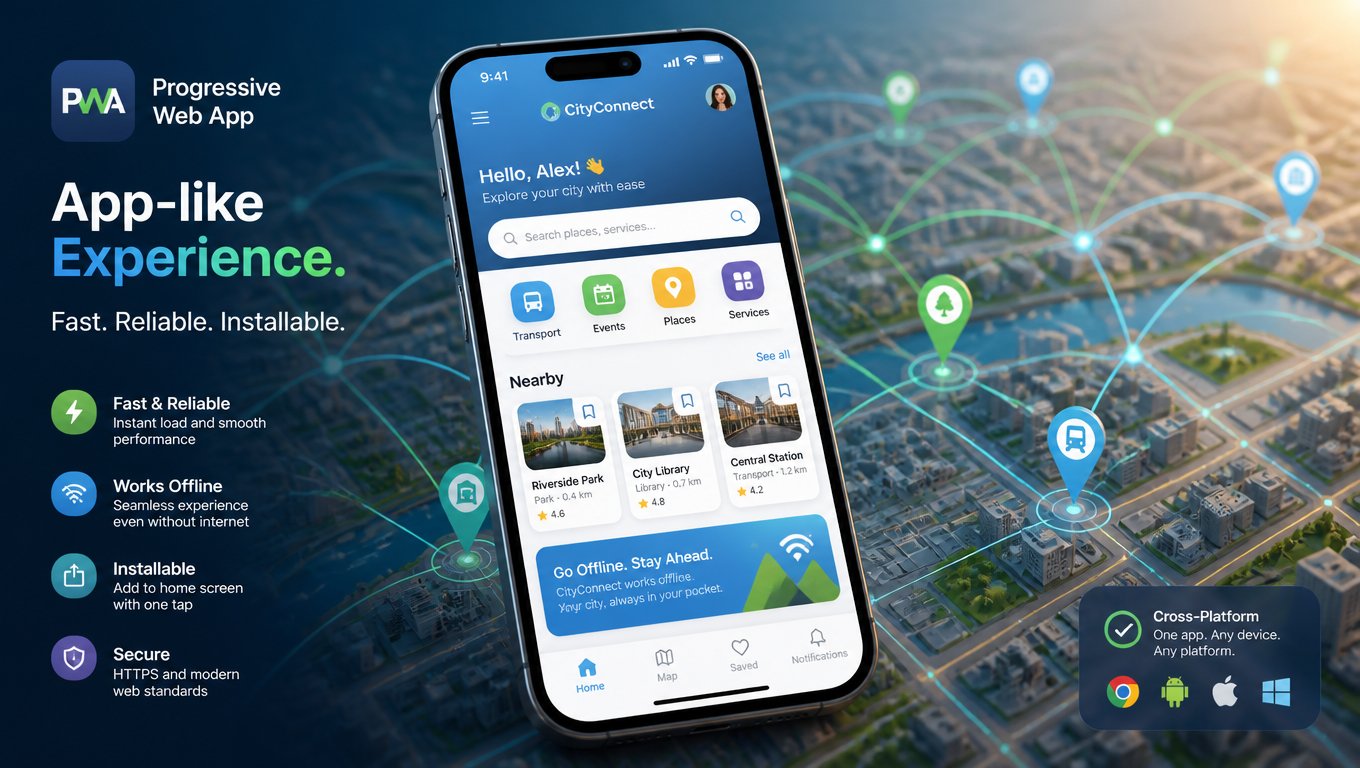
Progressive Web Apps: Are They Still Worth Building?
PWAs promised app-like experiences without the app store. Six years later, how well do they deliver? The 2025 Web Almanac data, real brand case studies, and when PWA still makes sense.
Core Web Vitals: What Changed and What Still Matters for SEO
INP replaced FID two years ago. Google's March 2026 update reshaped how Core Web Vitals are evaluated. Here is what we have learned from real sites, with data and fixes that actually work.
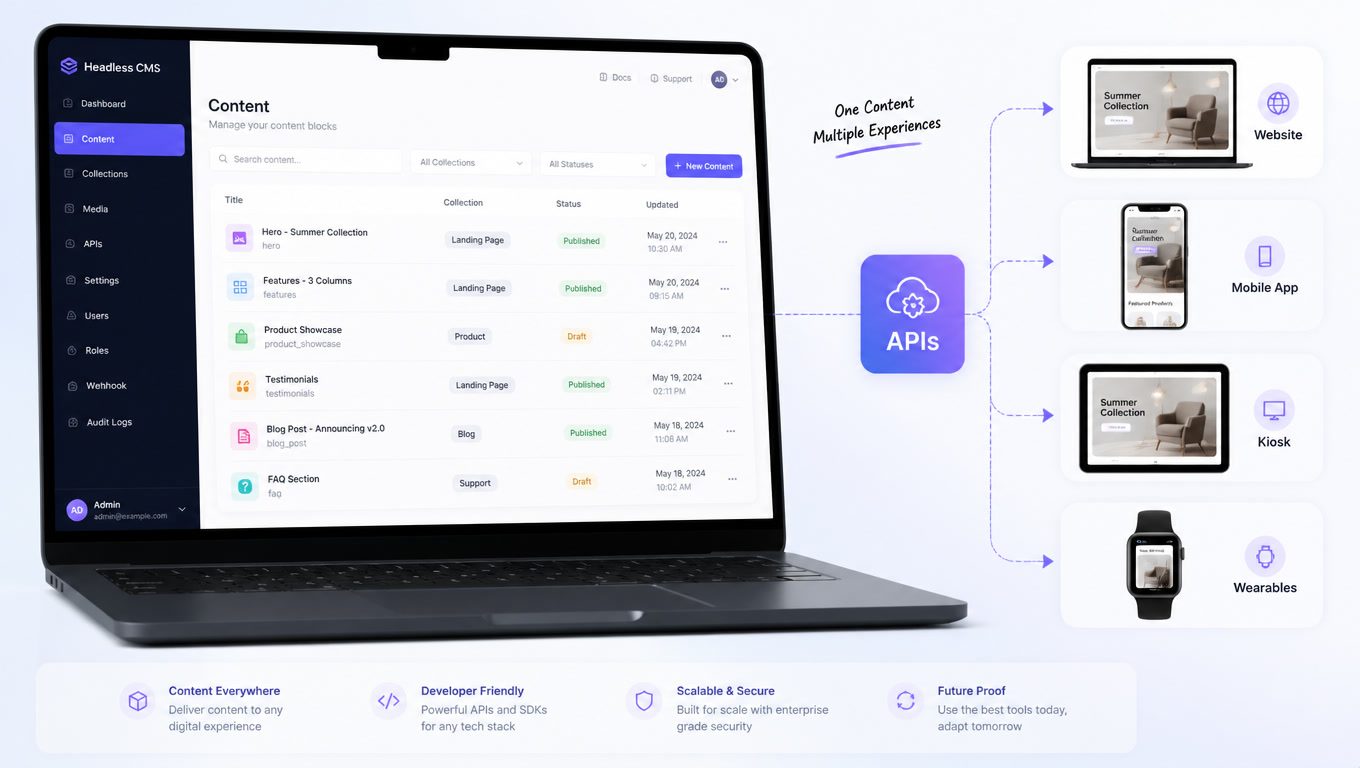
Headless CMS: Why Modern Web Development Is Going Architecture-First
Headless CMS adoption is accelerating. We break down the market data, compare the top platforms, and explain when going headless makes sense for your business — and when it doesn't.

E-commerce: Scaling Without Breaking
Learn the technical architecture and growth strategies that allow modern e-commerce platforms to scale from $1M to $100M ARR without complete rebuilds or performance degradation.

Measuring What Matters: Digital Marketing ROI in the AI Era
Discover how AI is transforming marketing attribution and measurement, enabling data-driven decisions that actually drive revenue growth instead of vanity metrics.

The Future of Vibe Coding: Speeding Up Software Development
Explore how AI and 'Vibe Coding' are redefining software engineering, allowing experts to deliver robust products at unprecedented speeds.

The Future of Vibe Coding: AI as a Force Multiplier
How 15 years of architectural experience allows us to harness AI coding tools for 10x delivery speeds.

Banking on Code: The Security Standards Your Fintech Needs
Building a fintech app? Compliance isn't a feature; it's the foundation. We break down SOC2, PCI-DSS, and how to build trust from Day 1.
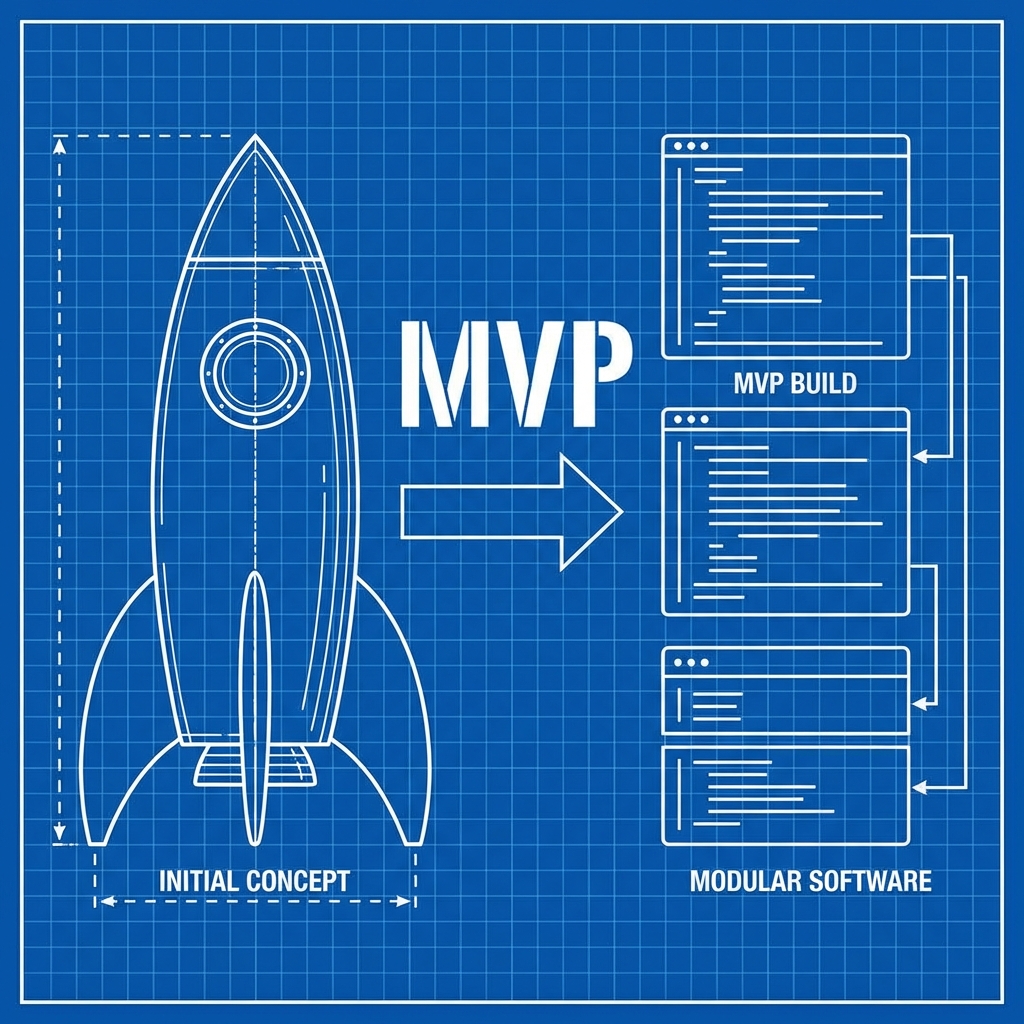
The 'Build Trap': Why Most MVPs Fail Before Launch
Founders often obsess over features instead of validation. Learn how to launch a scalable MVP in 6 weeks using modular architecture.

Why High-Growth Brands Are Abandoning Standard Shopify Themes for Headless
Shopify is incredible, but its frontend templates are a speed bottleneck. Learn how Headless Commerce unlocks sub-second load times and 30% higher conversion rates.

Web design is a fundamental part of digital marketing.
Web design is a fundamental part of digital marketing.

Hosting, A Space for Everything.
Hosting, A Space for Everything.

Characteristics of a Professional Website
Characteristics of a Professional Website

Tips for Buying a Website
Tips for Buying a Website

How to Promote a Website?
How to Promote a Website?

Multimedia Development Enriches Websites
Multimedia Development Enriches Websites

Web Designers
Web Designers

Web Design in Honduras
Web Design in Honduras
Designing a Virtual Store: Its Benefits
Designing a Virtual Store: Its Benefits

How Do I Make a Website?
How Do I Make a Website?